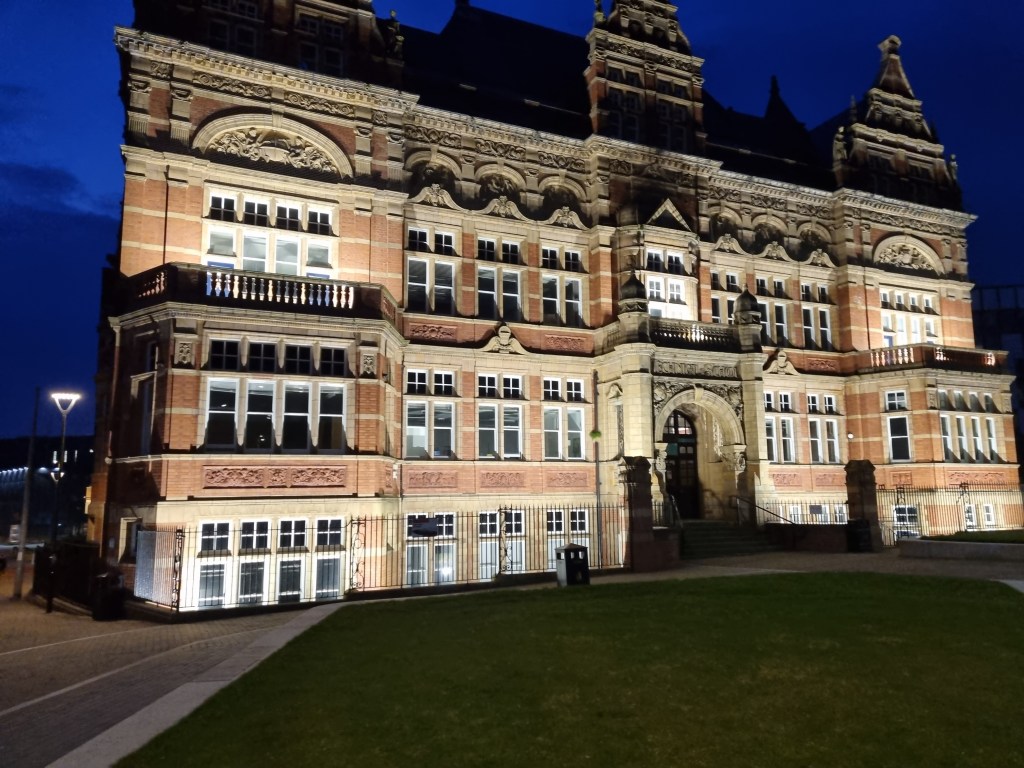
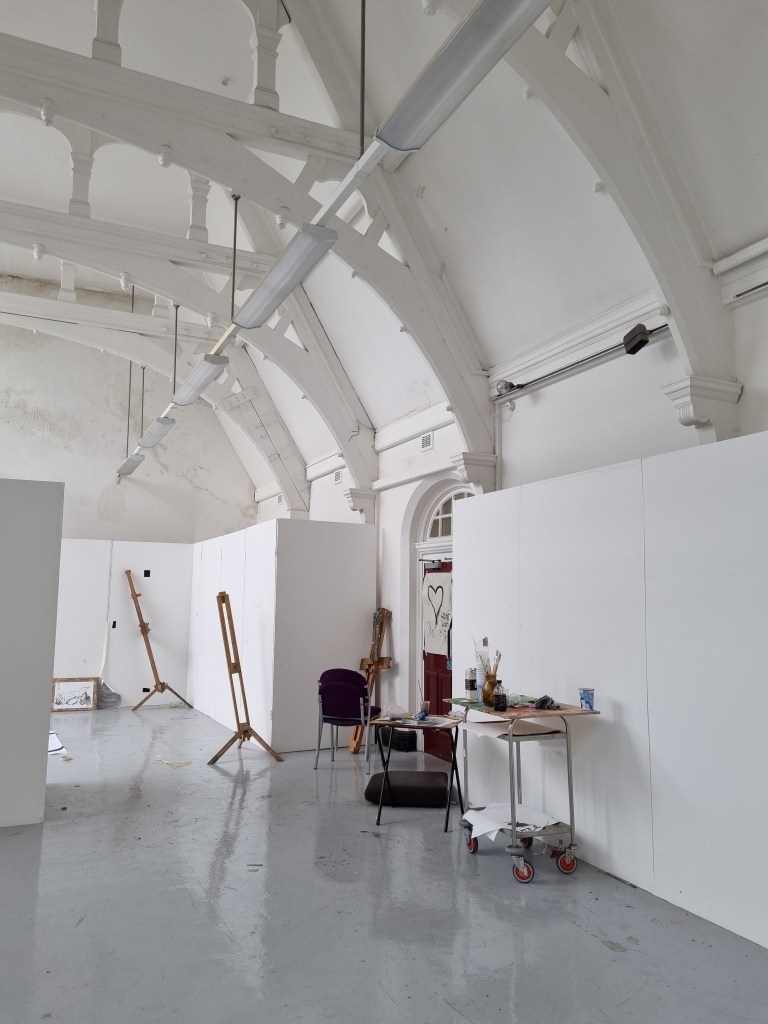
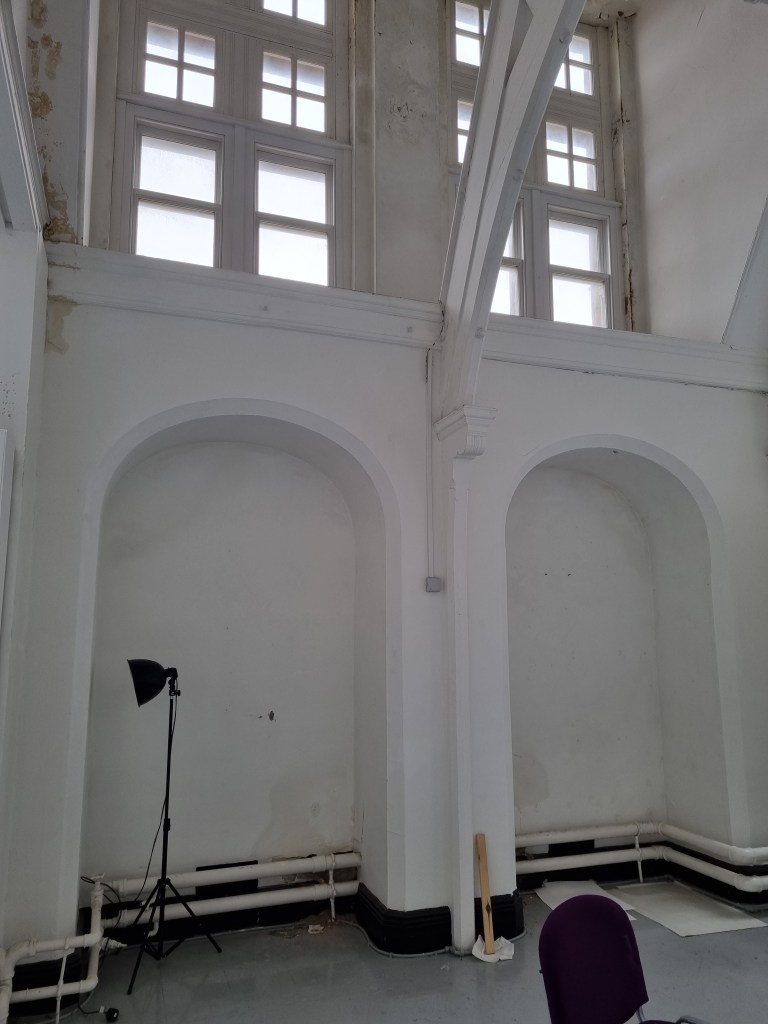
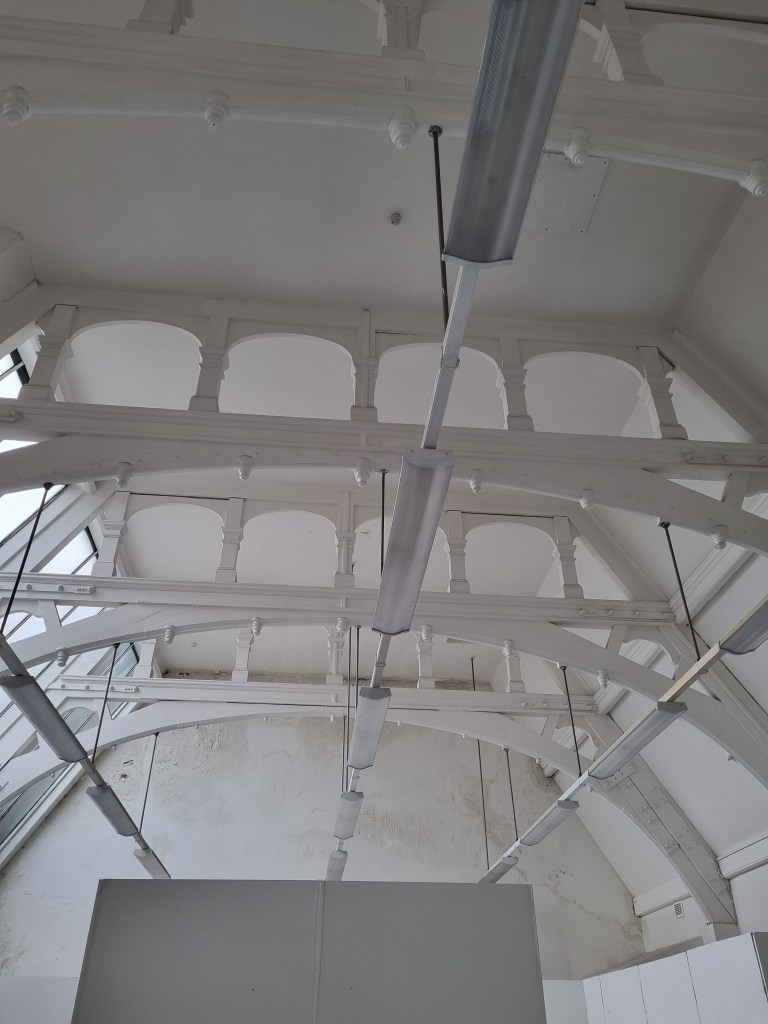
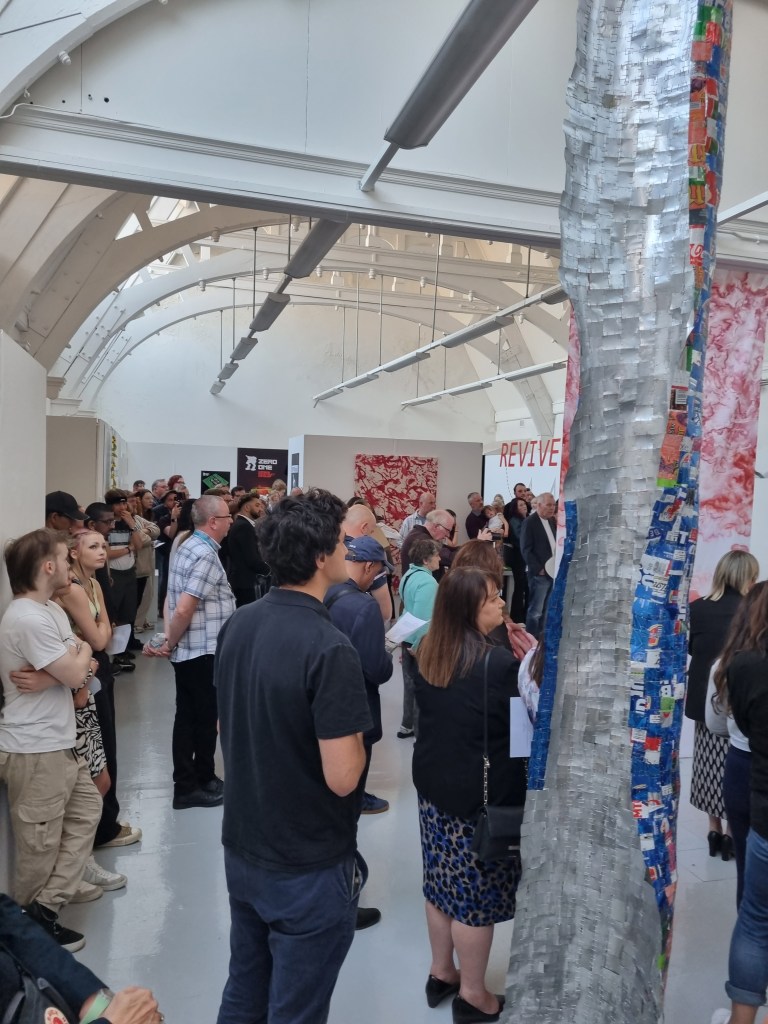
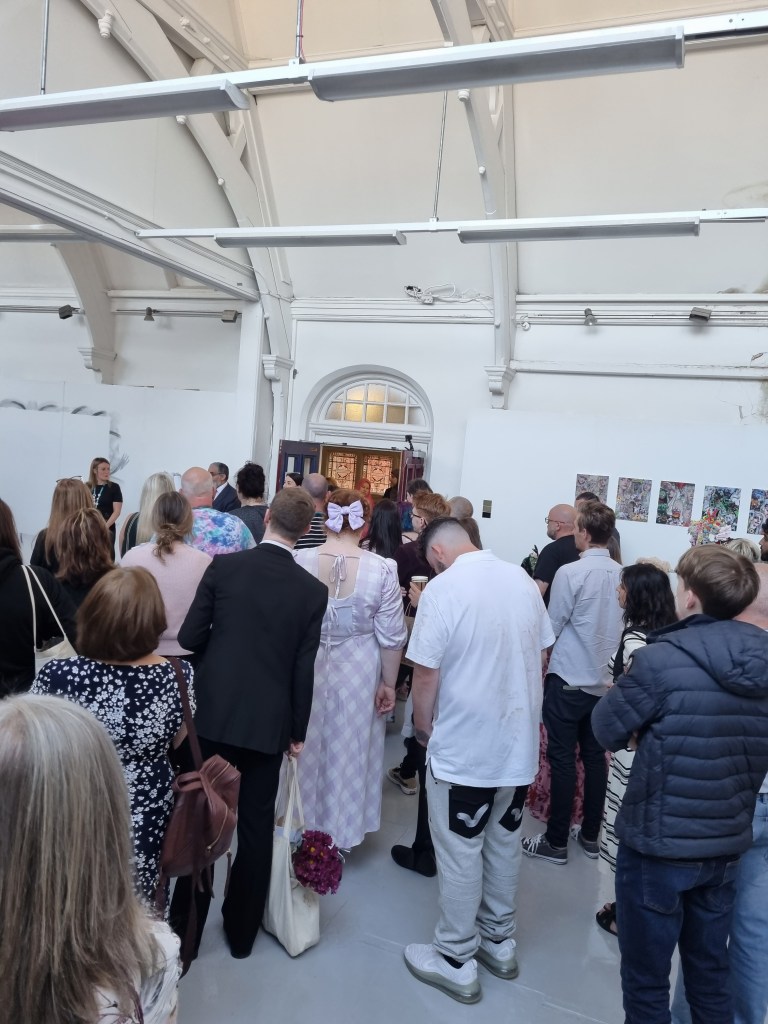
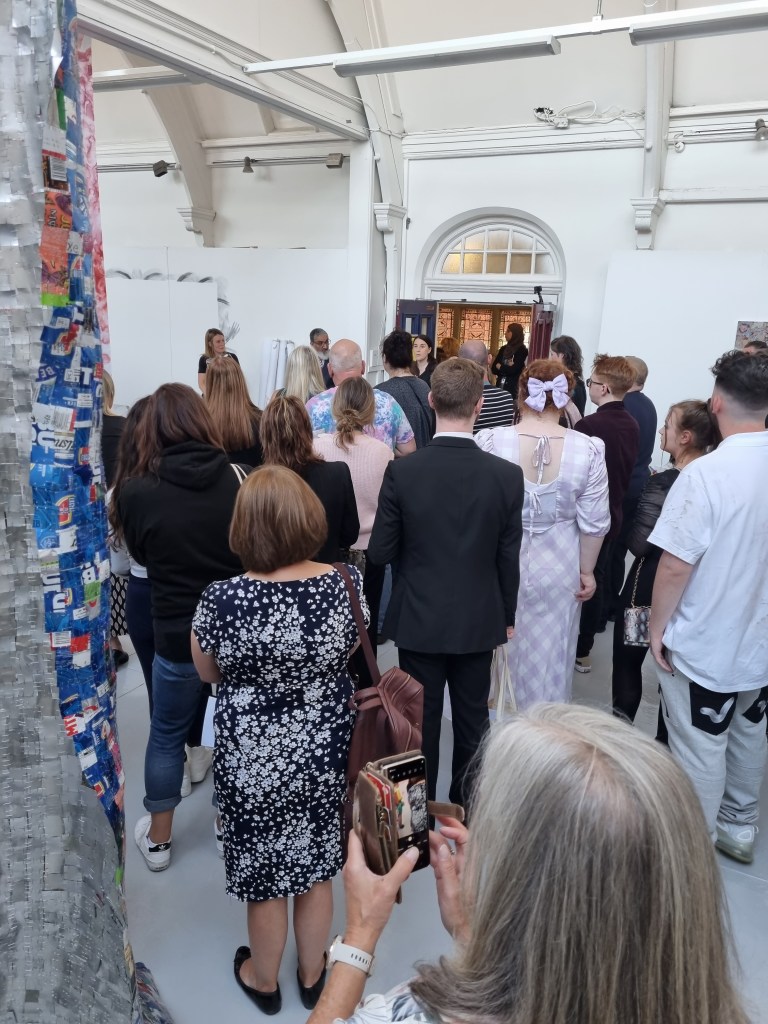
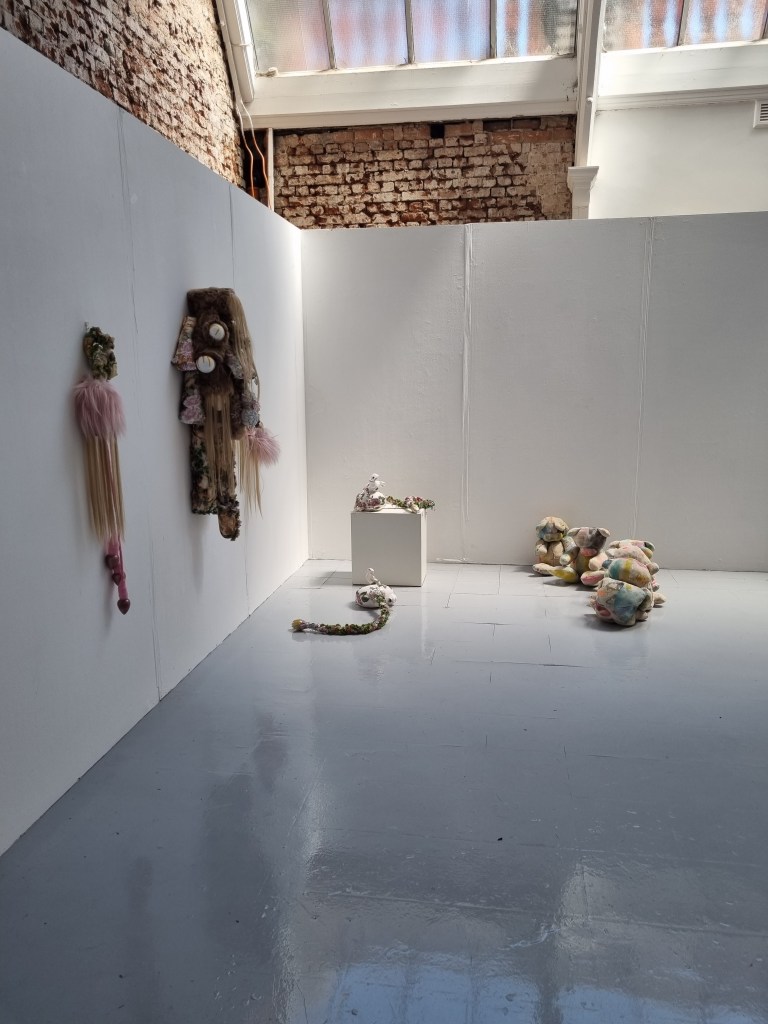
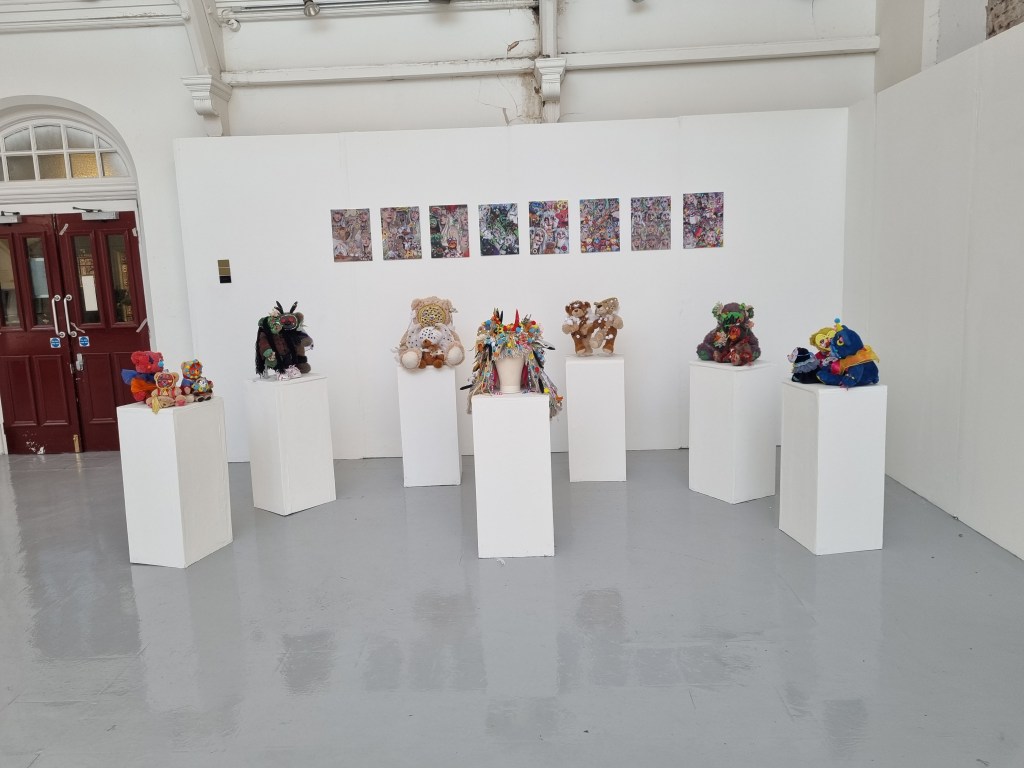
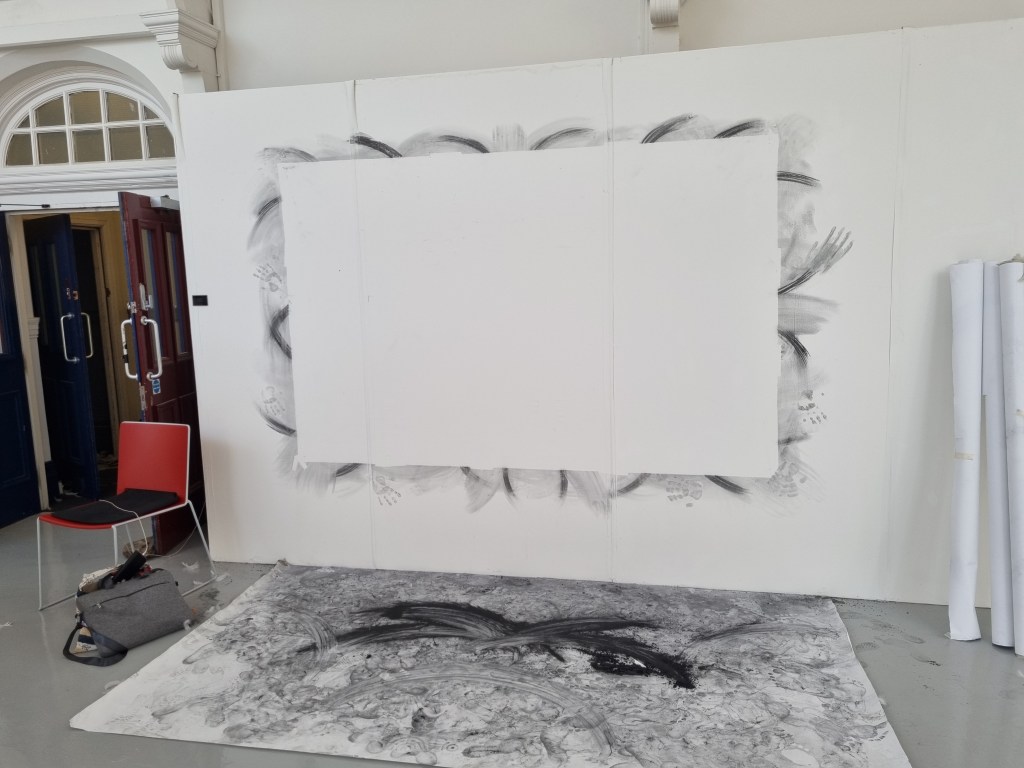
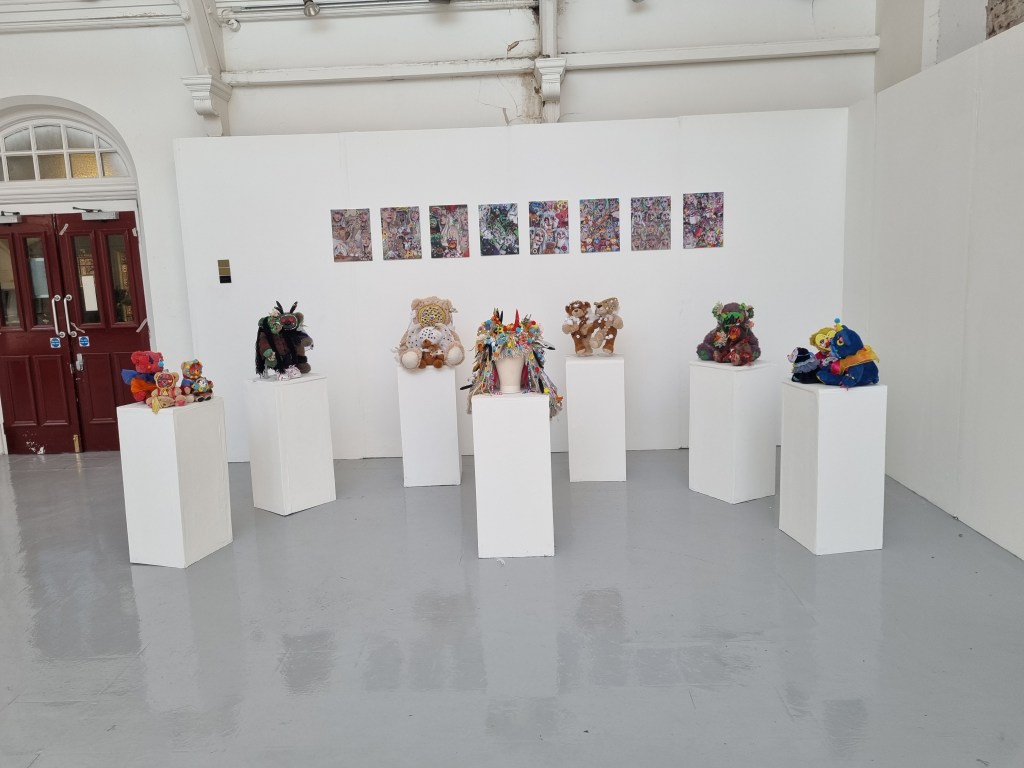
Unfortunately, the last year of my studies came to an end, and the preparations for the end-of-year show started to unravel. The next challenge is to make the last piece and prepare the space for the final exhibition. The great news is that our final show will be held in the Victoria Building. The historic building is iconic and will give a significant volume to all the exhibited artwork.
After the course, I will enrol for NCFE CACHE Level 3 Diploma in Counselling Skills at Blackburn College. This qualification will help me gain in-depth knowledge of counselling skills in everyday life and work and the approaches that underpin these skills. I am working with people with mental health problems through work leading an Art Group funded by Creative Support, my employer. The NCFE could help me find a more efficient method of approaching people with these conditions. I want to know more about mental health problems and be able to help people through art. This course should help me decide which direction to concentrate on further studies. Initially, I wanted to study Art Therapy straight after my degree. However, it would mean extending the student loan and more time at University.
I thoroughly enjoyed the course, especially the knowledge and skills I have gained over those years. On the other hand, a counselling diploma is a good start. It could expand my understanding of psychological and psychotherapeutic theory and research. Although I am still undecided about further studies, the diploma will offer me insightful perspectives and help me decide if I should sign up for another study in Art Therapy.
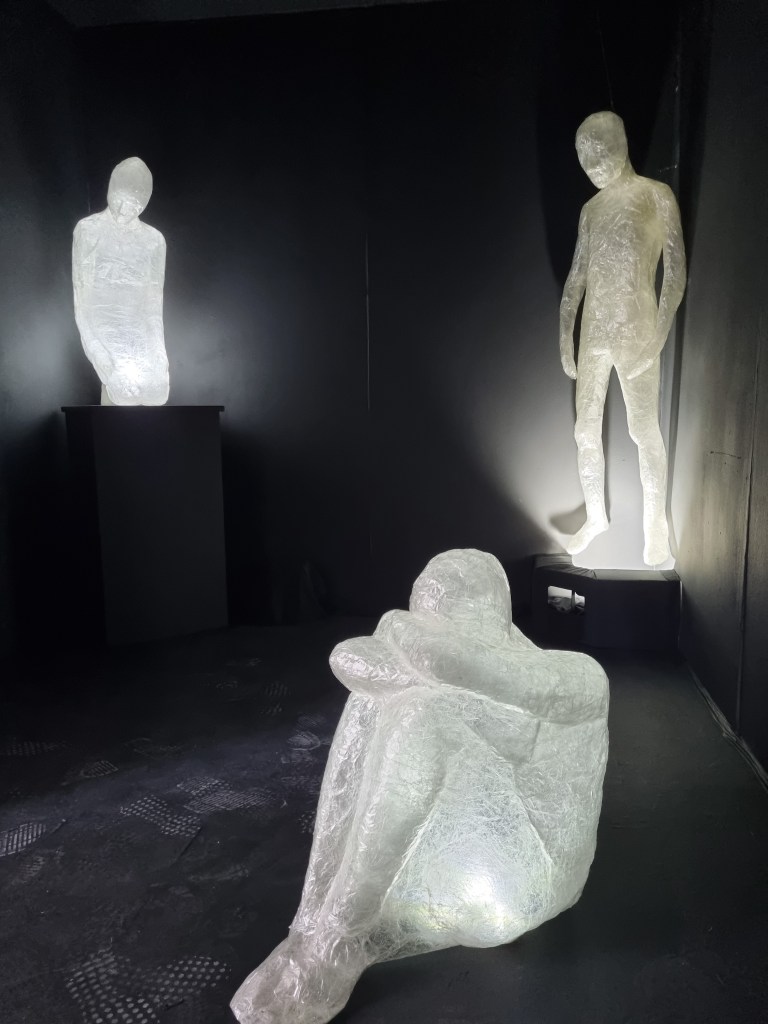
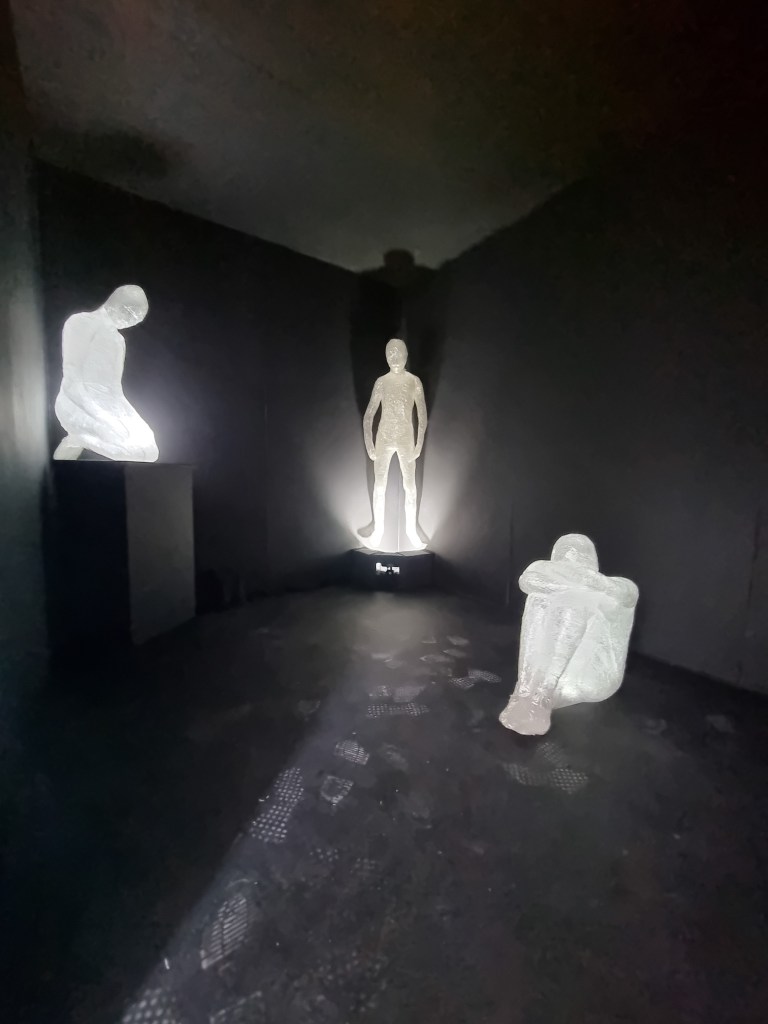
The idea in this module is to create human-size body sculptures, to express the purity of the human soul, and connect the core of being through an installation supported by sensory perception. I want to include a more contemporary approach in this project to communicate through the statues’ body language, involving sound and visual interpretation of light to represent the source of being. The element of light and sound should reinforce and give volume to the artwork and the concept.
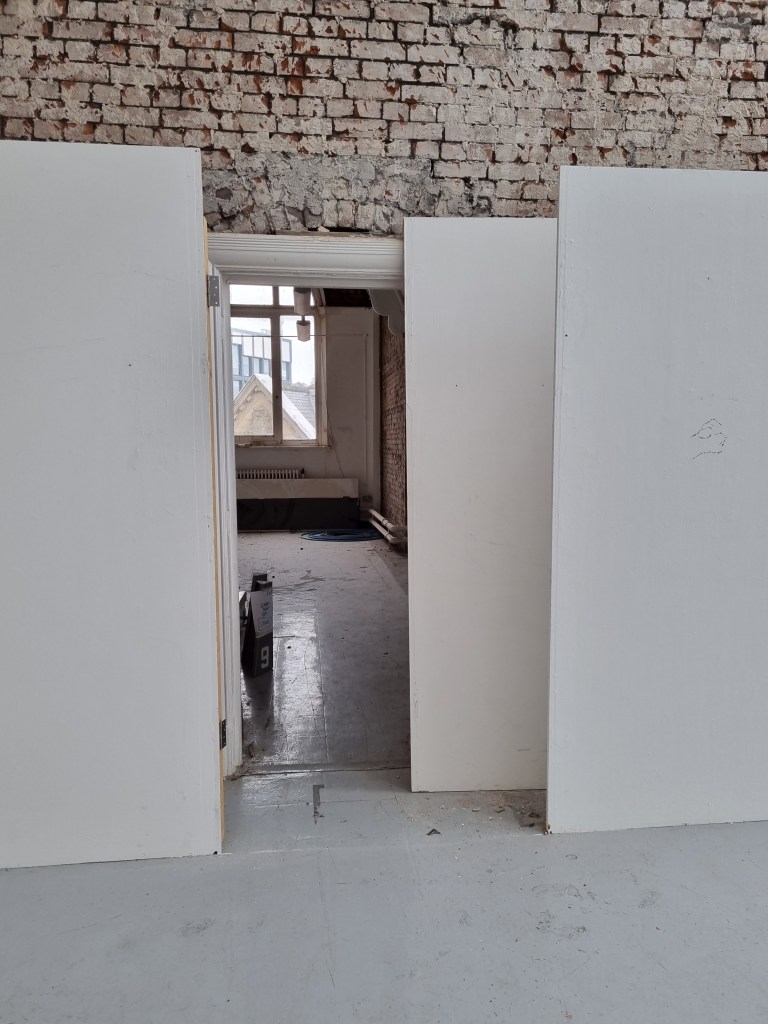
We visited the venue to assess the space and consider where to display our work. I asked if there was another separate room because I wanted to be somewhere quiet so the viewers would not get disturbed while resonating with the sound of the installation. Unfortunately, there was no separate room I could use for the work. However, Steve suggested extending one exit to another room and boarding up the space with walls creating another small area. This option can give me a quieter environment where viewers can sit and go within.


Steve sketched the space extension so we could discuss potential ideas together. The extension is the best solution to achieve suitable criteria for the installation.
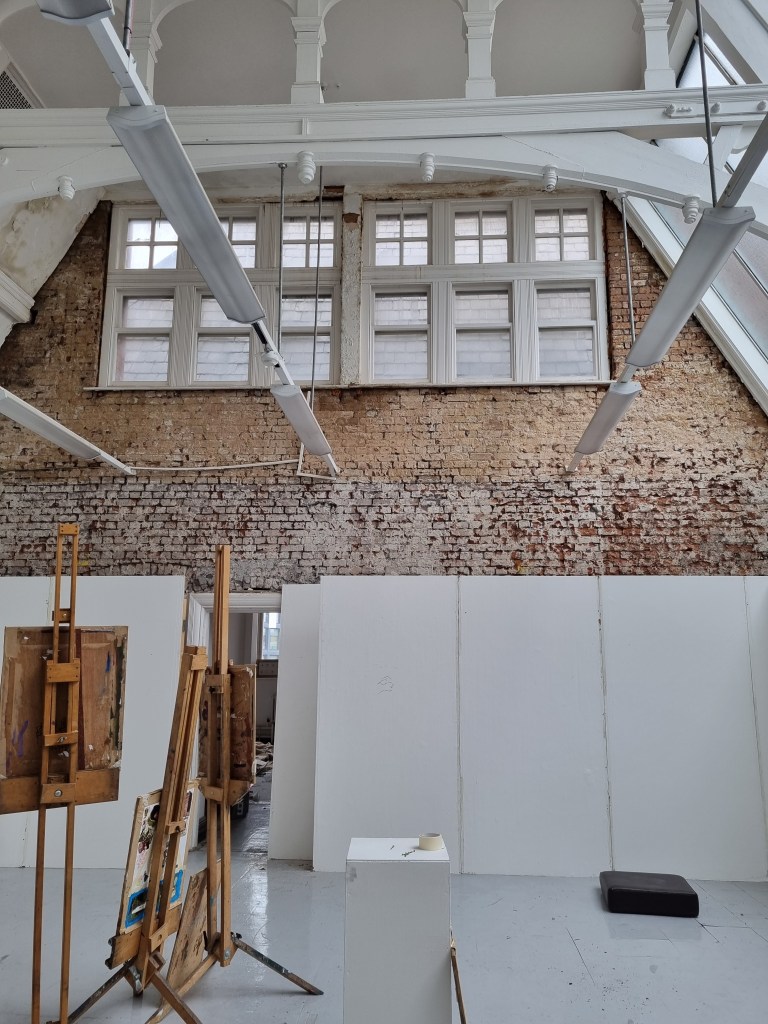
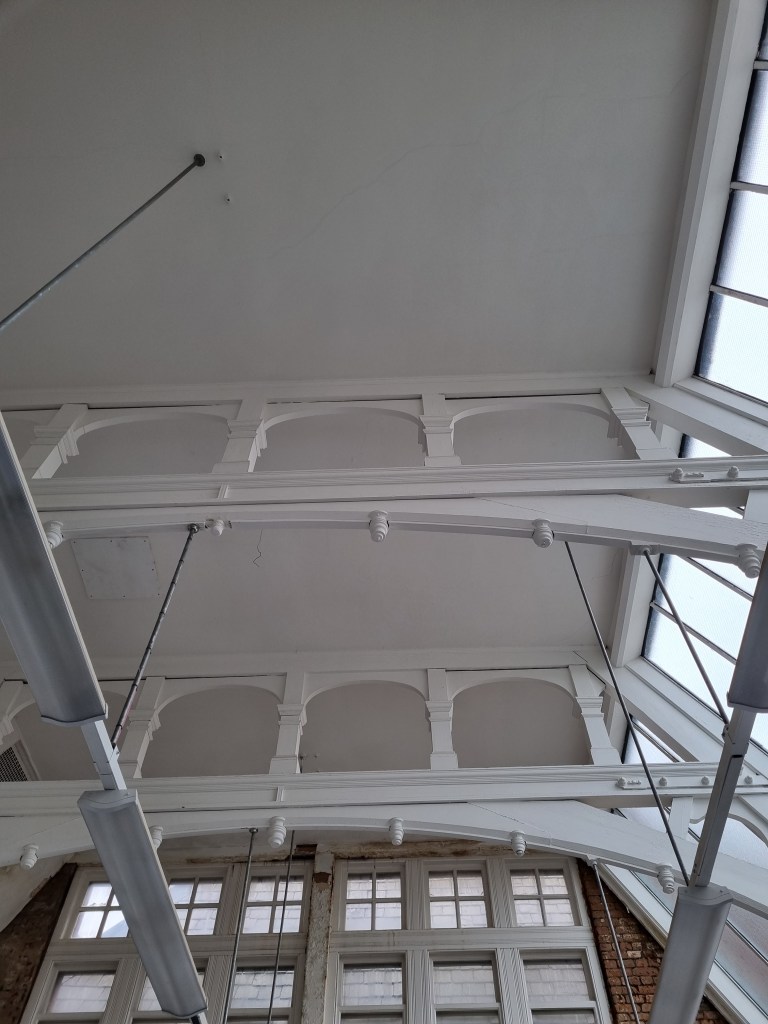
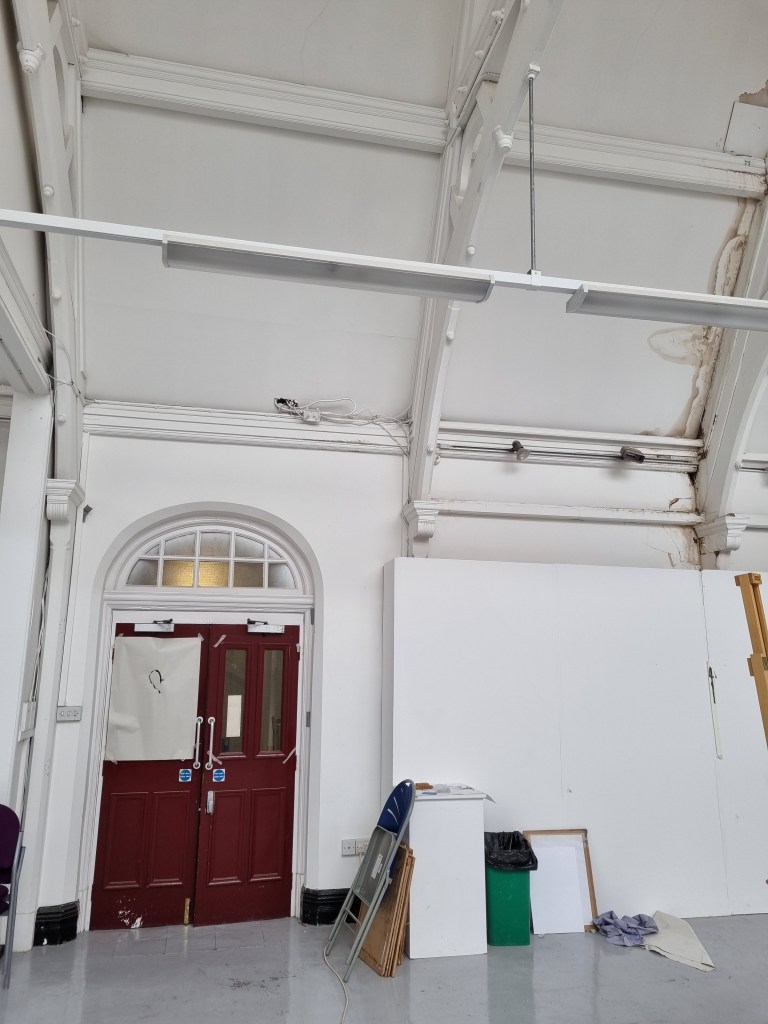
We selected the space for the installation that needs to be made out of plasterboards. The walls must be painted dark, once firmly attached to the construction. The plasterboards must be dark for several reasons. I spoke to Steve about the colour of the walls, and we both talked about black. However, I think black is a harsh colour. Initially, I wanted to use a material. I need to discuss this element further, considering a material could absorb more noise from the outside.
The time we meditate is when we close our eyes. Therefore, the dark room should create nightfall conditions and make the viewer perceive the moment of relaxation resembling quiet time. That should put the viewer at ease and enable the viewer to absorb the moments in the right conditions.
The lights placed in the sculptures should create contrast and highlights the source of the soul we can not see. In addition, light has healing properties which should contribute to a pleasant experience.
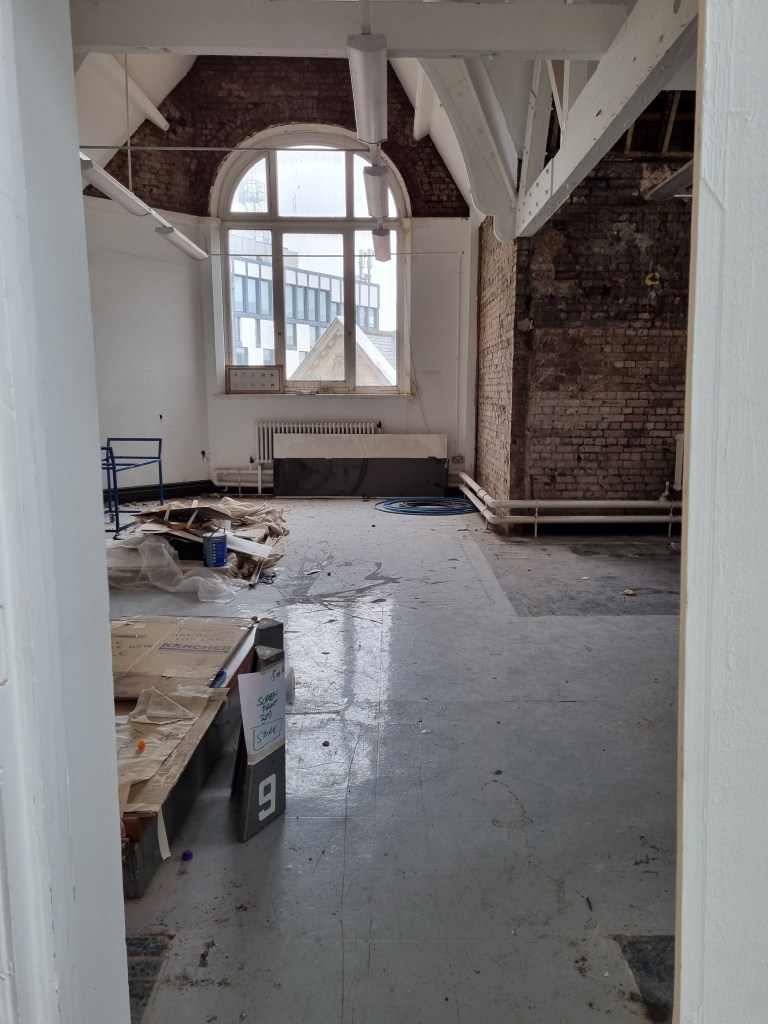
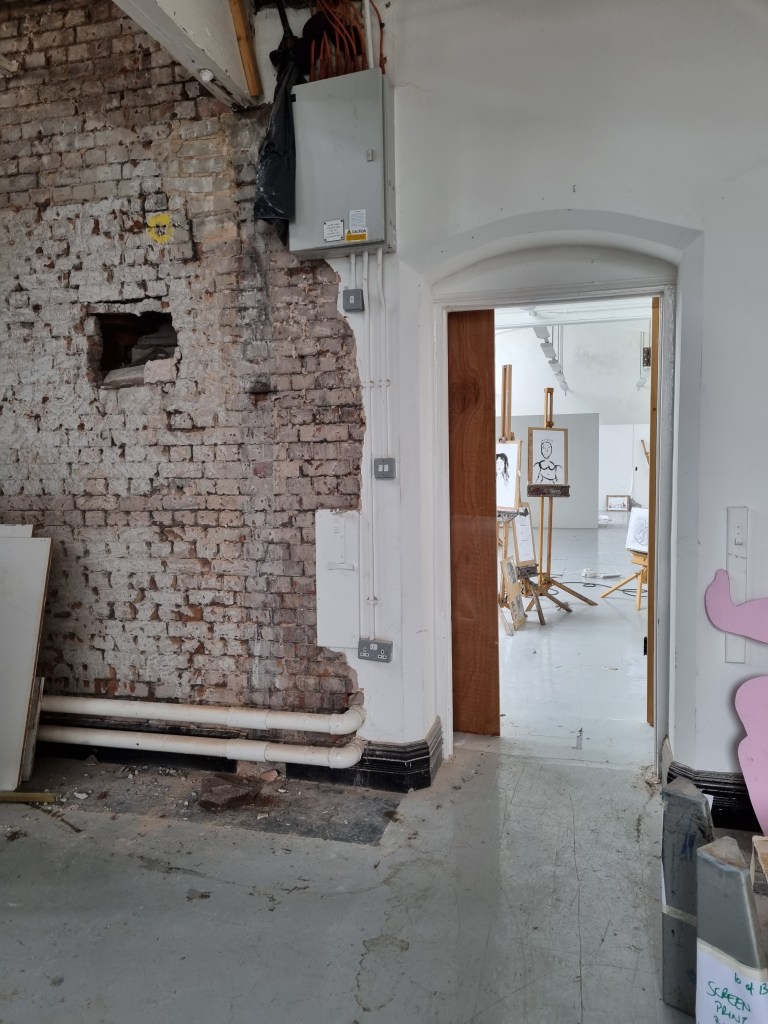
The room will have to be entered individually by the public. Firstly, everyone must be able to resonate with the sculptures independently to develop impressions and let feelings come to the surface. There will not be much space, but I want the public to sit comfortably and listen to the soundtrack to connect with their inner being in a quiet, undisturbed environment.
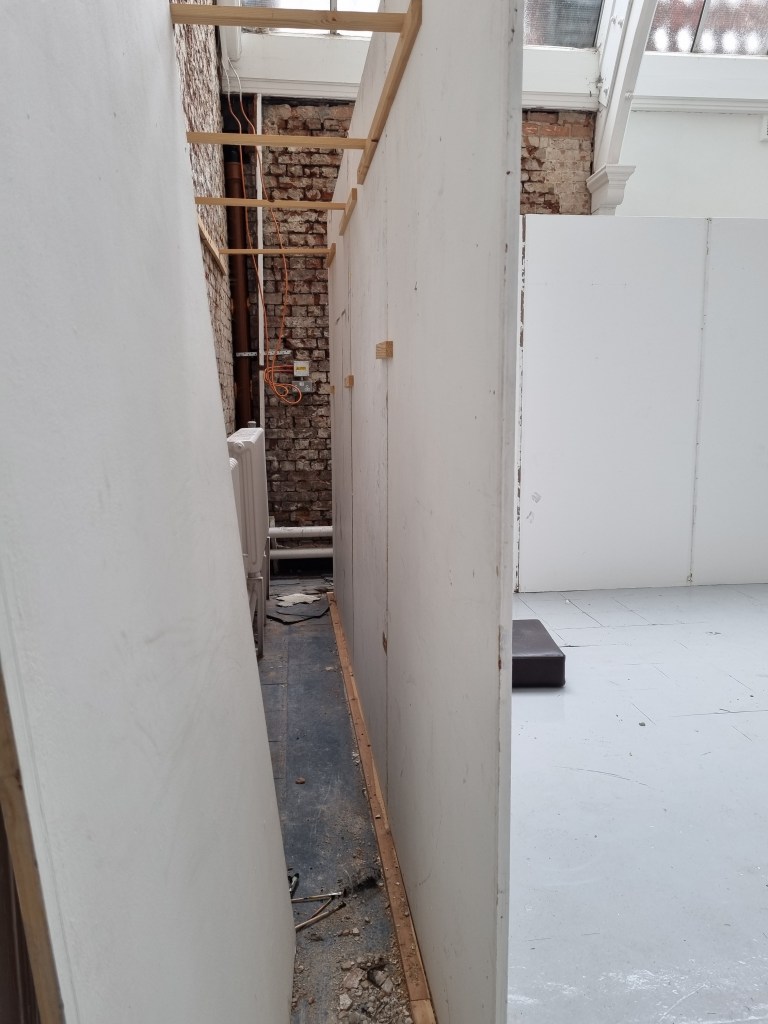
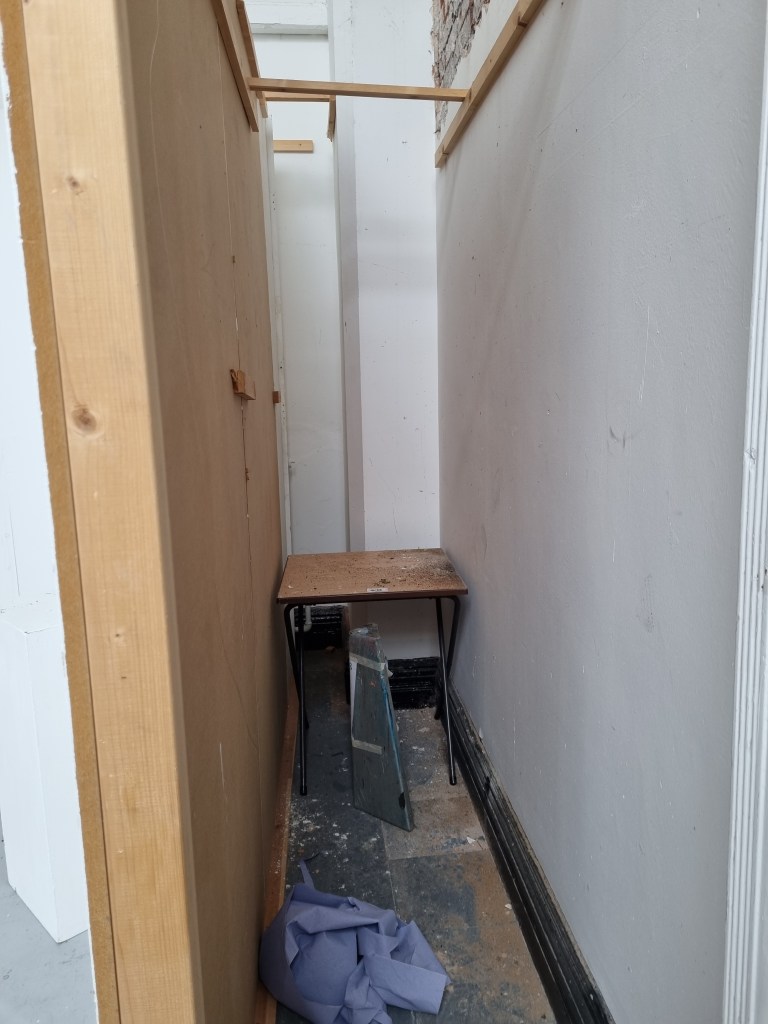
I spoke to Steve about the audio, and we agreed to use speakers. However, the disruptions outside of the space could still be too noisy to resonate with the peacefulness. So another solution is to use good quality headphones with cancelling noise. There is also the option of using a QR code so the public can connect themself through their devices. However, the viewers may not have their headphones at the show. I have been to an exhibition at MoMA in New York where I could use provided headphones by the organisation. This way is more advanced, so I lean more toward this option. Nevertheless, the audio needs to be tested before viewing thoroughly.
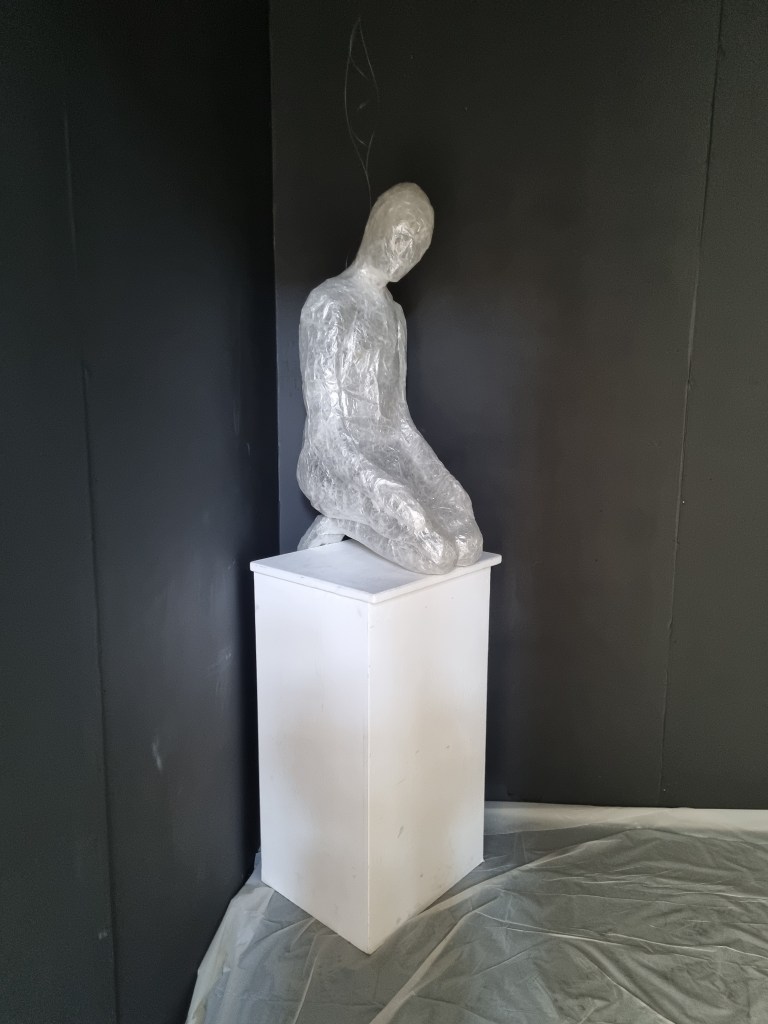
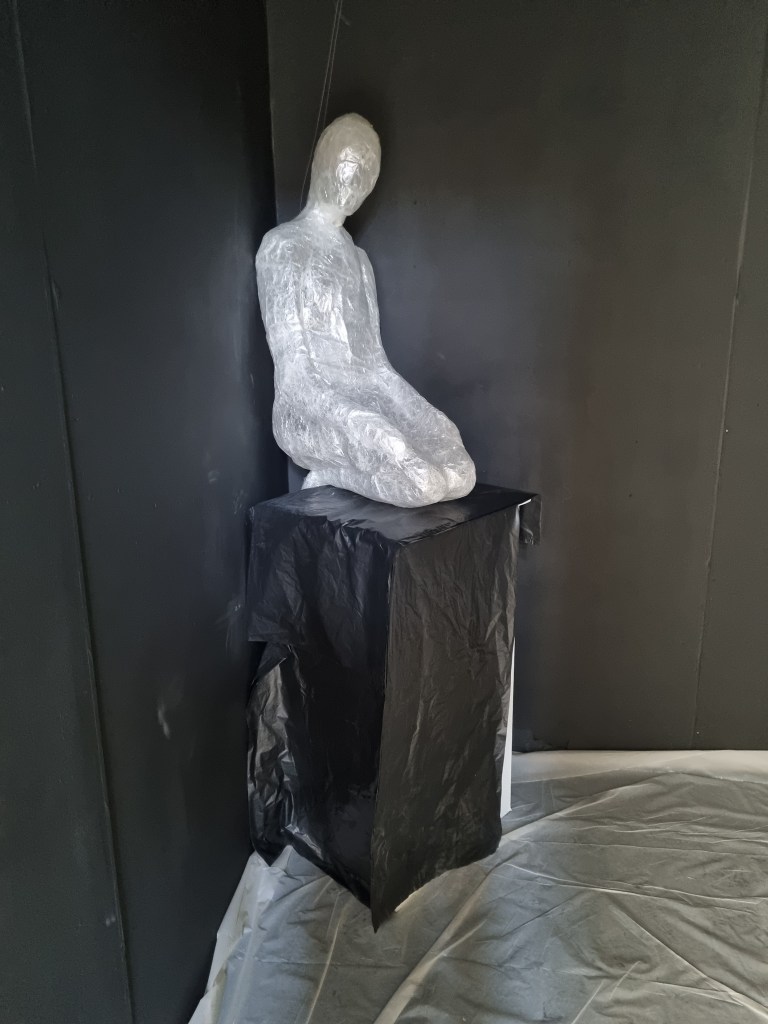
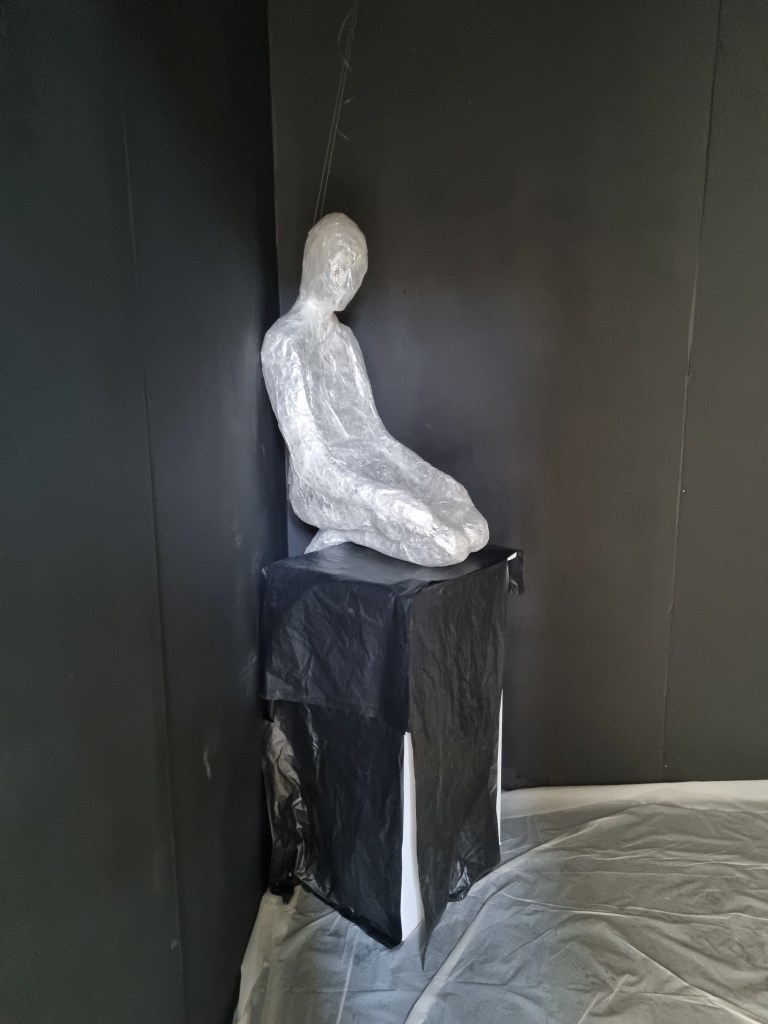
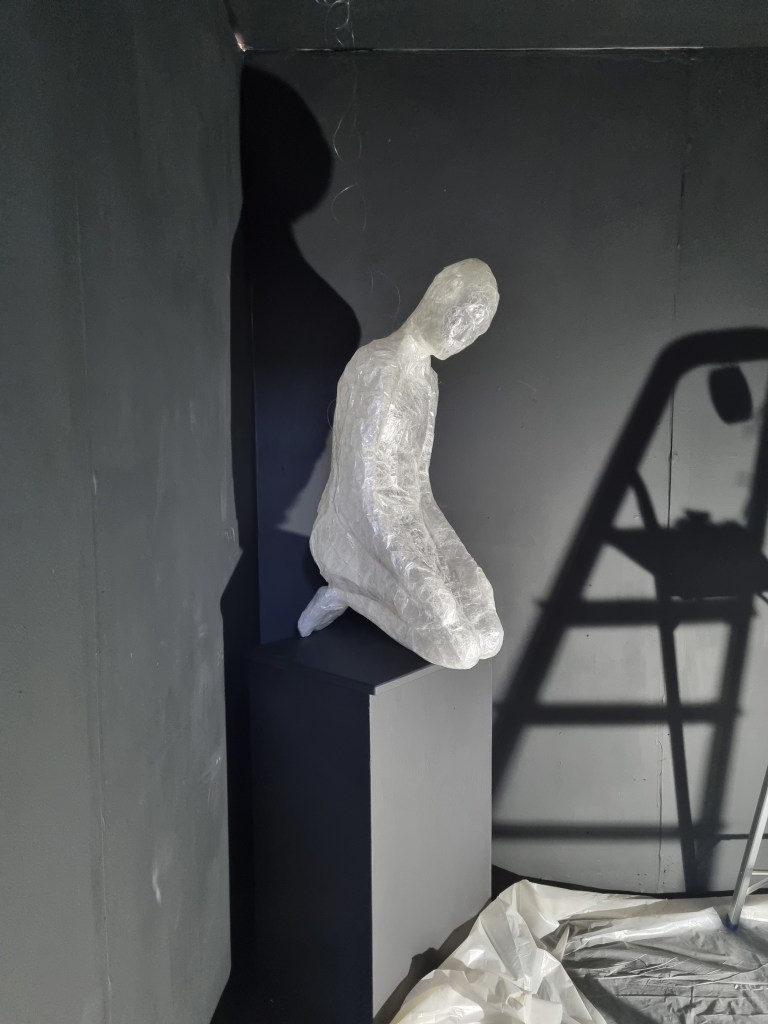
The plinths might be playing a significant role in perspectives of the overall view. I would put the sculptures on the plinth because the space is only 8 feet by 8 feet. Placing the statues on the floor could optically make the sculptures look undignified and lower the meaning and effect. I would put them at the eye height level or close enough to express connectivity between the statues and the human beings.

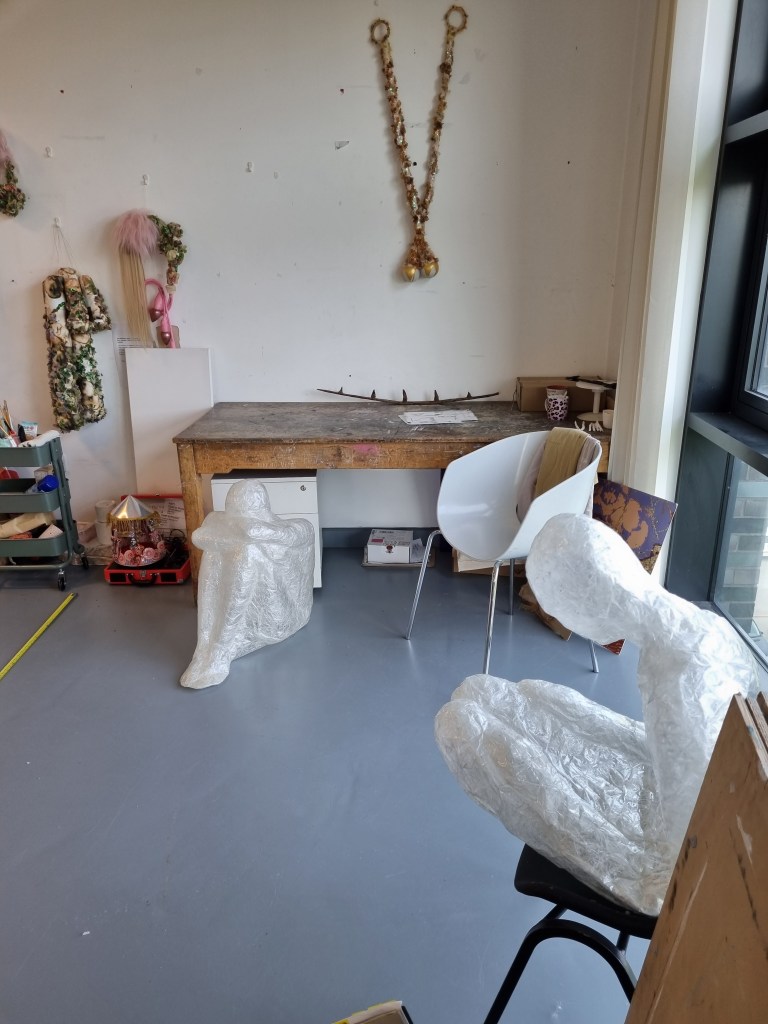
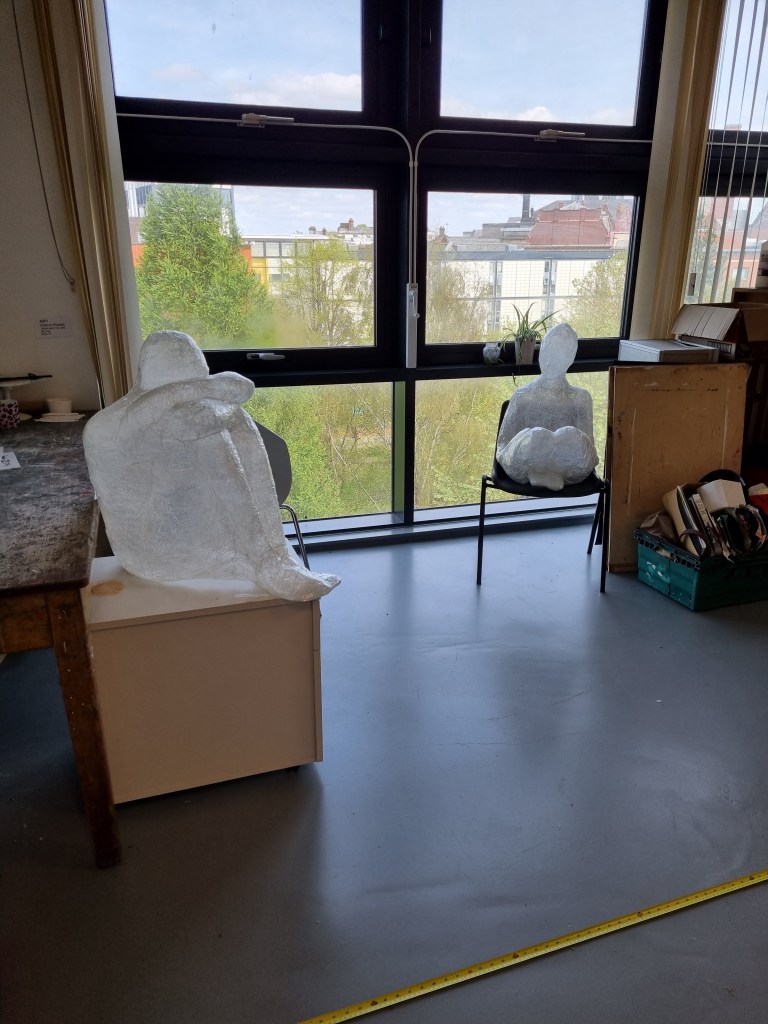
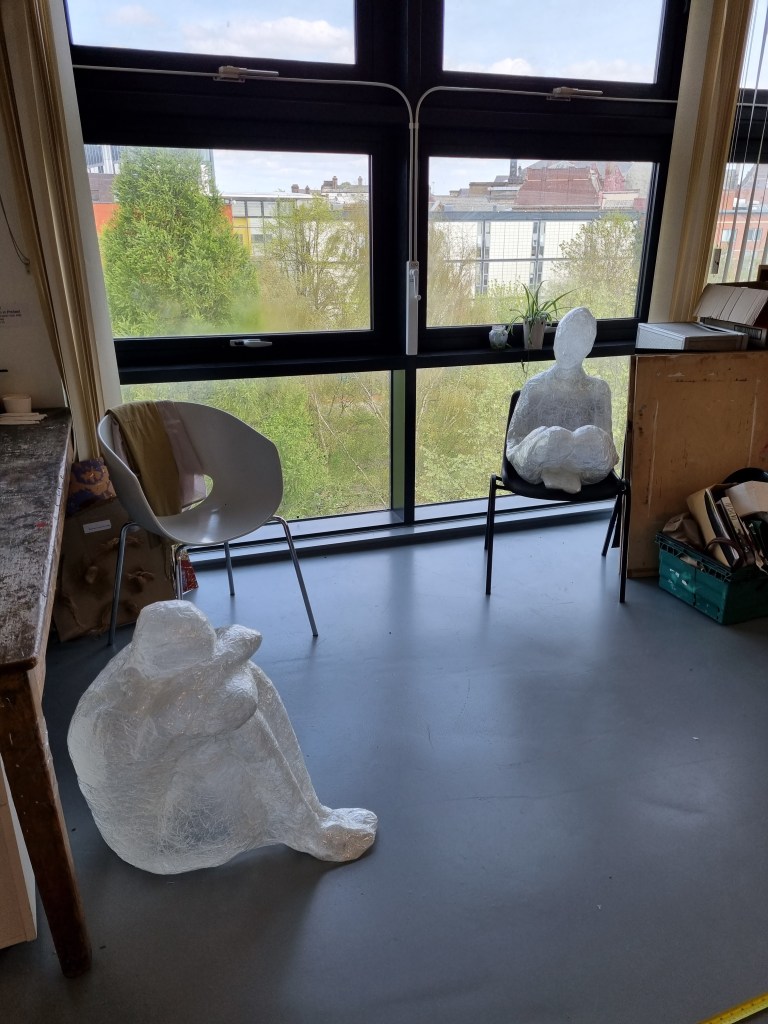
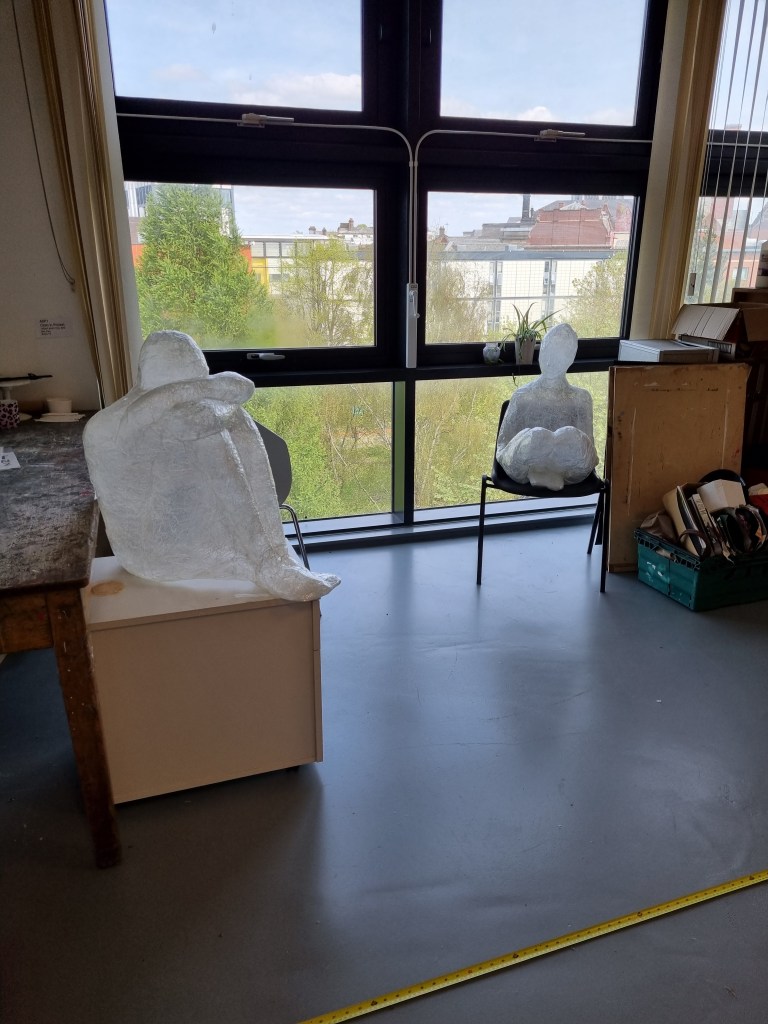
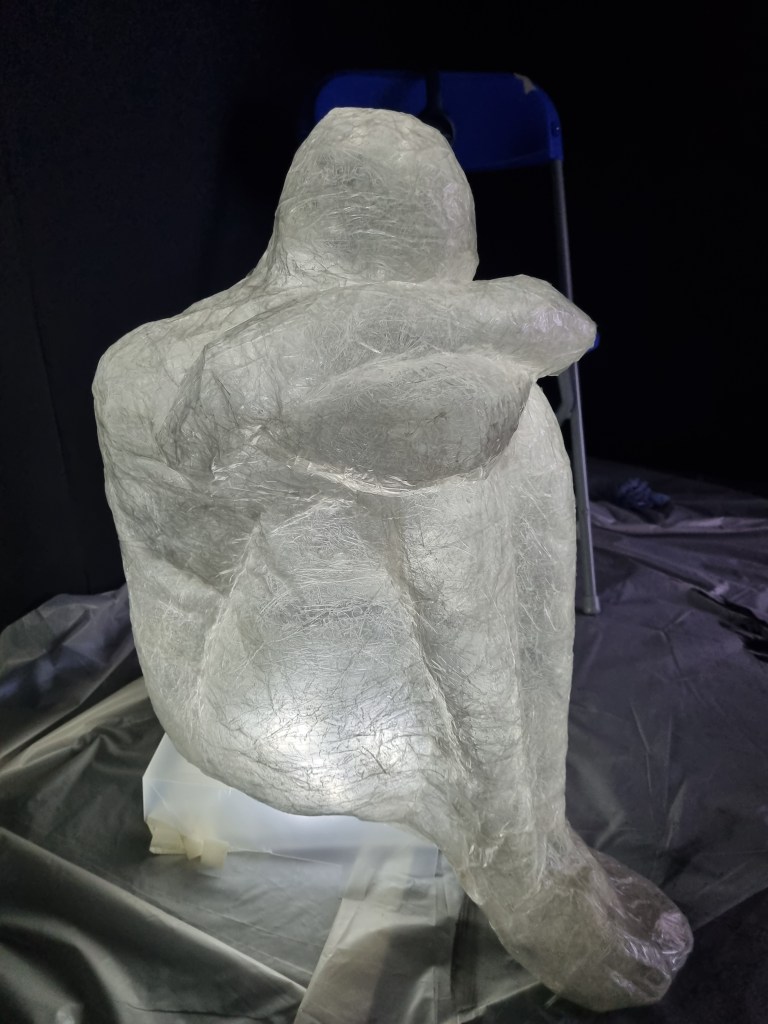
I marked the size of the appointed space for the exhibition and placed some of the sculptures to see what they could look like. I put one on the floor and one on the chair to simulate the plinth height. Then I put both on the chair to see the effect. For example, the “Anxiety” sculpture could be placed on the floor. However, the space must be more significant to put statues on the floor. Foreseeing the effect if the area’s conditions still need to be completed is challenging. For example, contrasting and contradicting elements of light and darkness play a vital role in this installation. The sound should reinforce the effect of the contrasting aspects and support the concept.
Health & Safety re headphones and being in a dark space. Headphones could work in a spacious place. However, the small area and dark environment could make people with headphones uncomfortable and unsafe and even trigger anxiety. The safer decision for the transition could be the speakers only because of the limitation in the size of the space. There also needs to be consideration of people in wheelchairs. The room has disabled access, however, needs to be enough space for a wheelchair. Suppose the viewers need help walking in the installation area. I will need to make sure there is enough room for two people.
Social media advertisement
We will meet as a group to discuss if we will advertise the show and how this will proceed. For the promotion, we could use our old accounts on Facebook and Instagram. We can discuss the option at the group meeting. It would also be great to make physical posters and ask permission to display them in the shops around Blackburn, and I could ask at shops in Darwen.
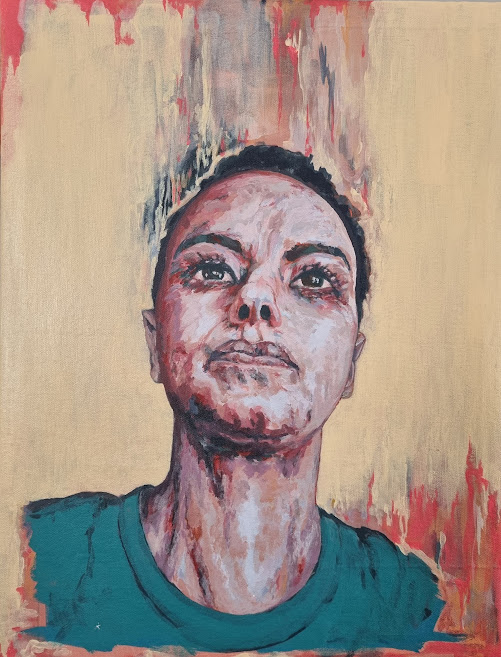
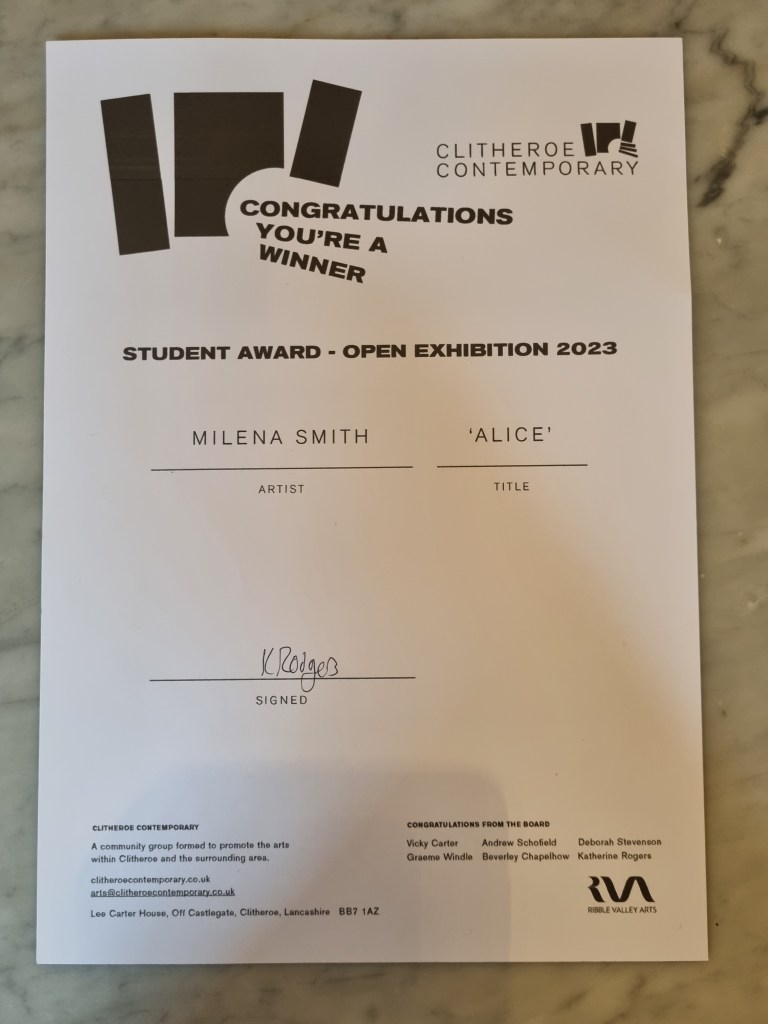
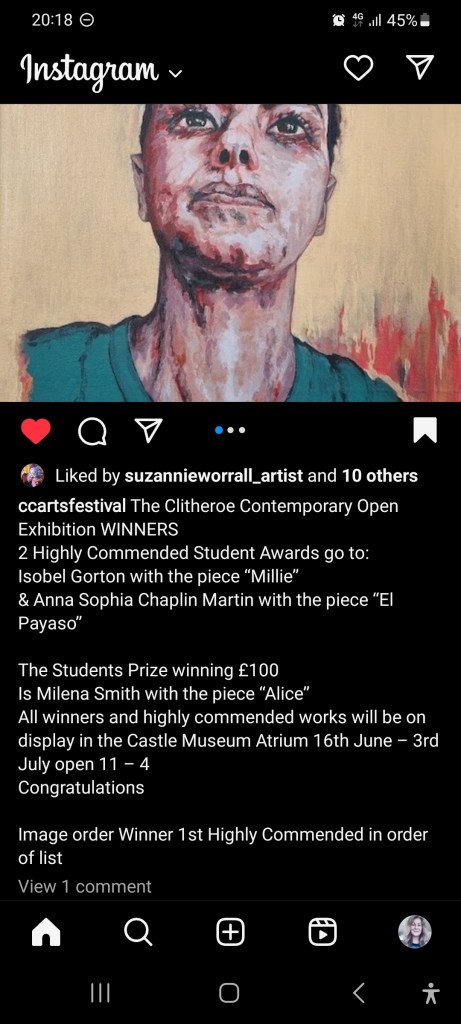
My goal after the degree is to continue making and selling my work. I entered for an open exhibition in Clitheroe, which is in June. I submitted two pieces, and one of my paintings was accepted. The portrait “Alice” I presented for the Open Clitheroe won the first Prize of £100 and is now displayed in the Castle Museum Atrium from 16th June – 3rd July.
In September is the open show in Haworth Gallery, for which I also want to apply. In addition, I am communicating with the virtual Artfulness Gallery, where I submitted my work in three group shows and one solo exhibition. The solo exhibition hit a viewing record of 37,873 views in The Artfulness Gallery during a short period.
The Solo Exhibition is still possible to visit on YouTube. The next Group Exhibition from the Art Group sponsored by Creative Support should be in May 2024. I will be in charge of arranging the venue and curation. However, the work displayed will be from people who attended the group. I want to open my Instagram account to sell my work and websites. I am working on one commission which should be finished by September this year.
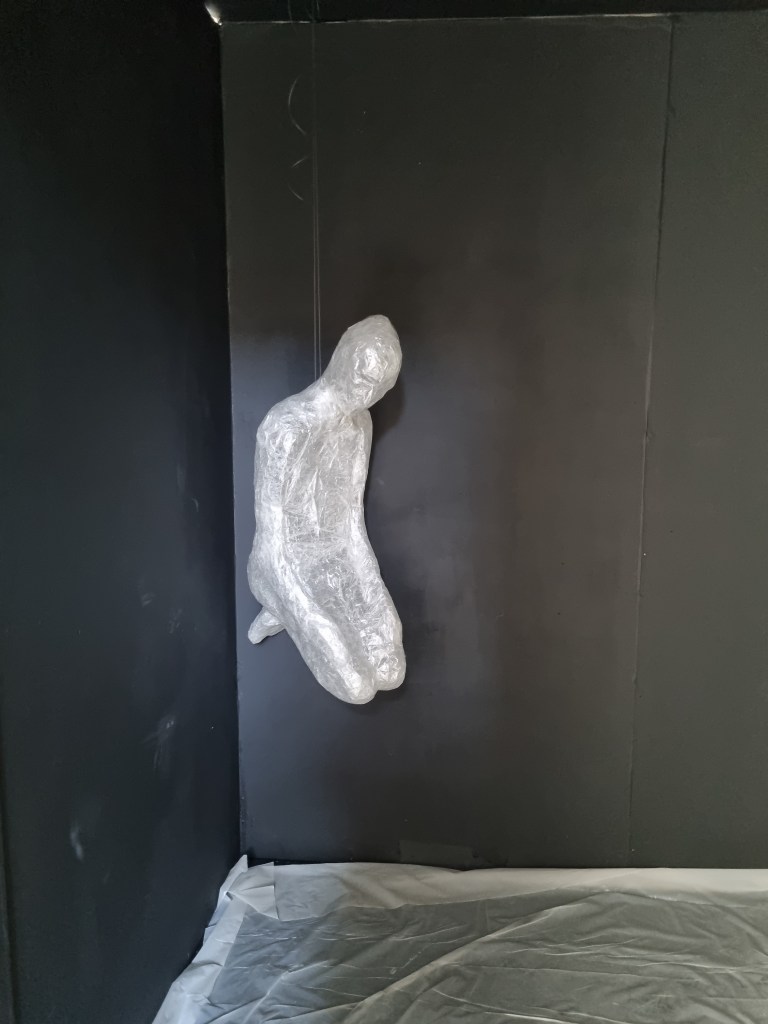
I want to suspend some pieces to keep the shape of the sculptures, especially the meditative pose which I struggled to build the figure’s condition. The suspension could hold the body in the proper form with the help of gravitation.
The space (cube) will be a bit bigger, which is good because there needs to be more space between the sculptures. Also, this element might give more space to walk around the statuses to connect with the installation.
Meeting with the Group
The group gathered to discuss the space for the exhibition to ensure everything would be in the right place and would work well with everyone.
Minutes of the meeting
Preparation space for the Exhibition
I want to suspend some pieces to keep the shape of the sculptures, especially the meditative pose which I struggled to build the figure’s shape. The suspended pieces could hold the body in the proper form with the help of gravitation and fishing line. The curators made the space (cube) bigger than initially planned, which is good because viewers make more movement. The room I have is different from what it should be. Artists usually place installations of sculptures in much more ample space for the perception of projected energy. Also, this element might give more freedom to walk closer to the statuses to connect with the installation.
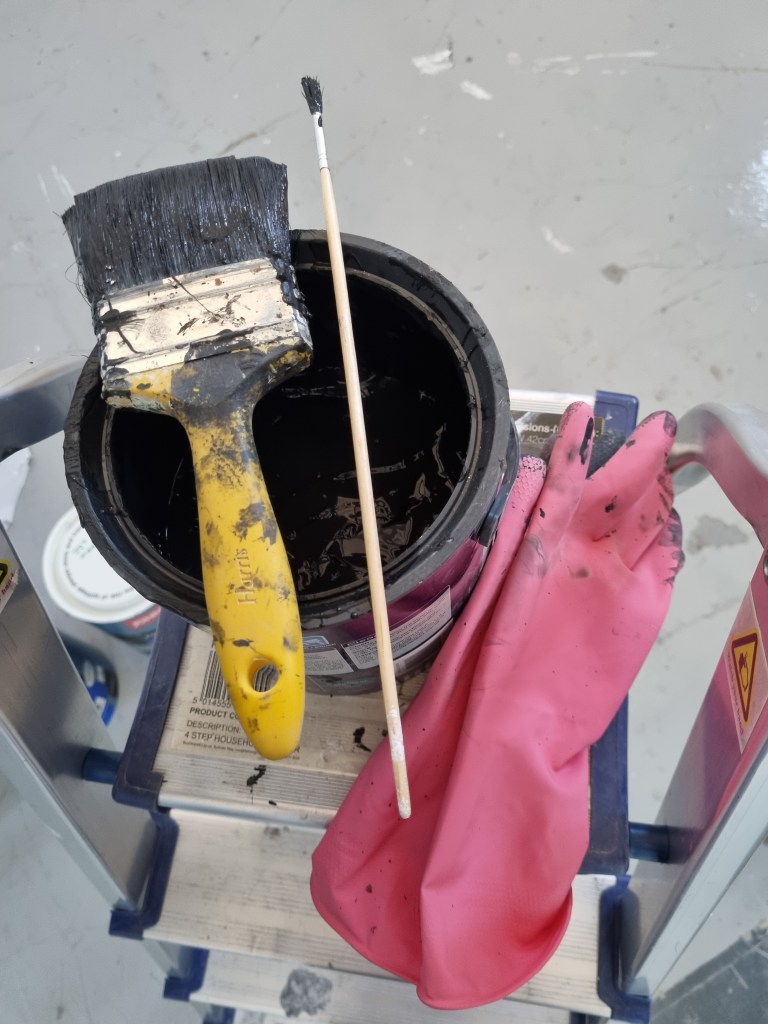
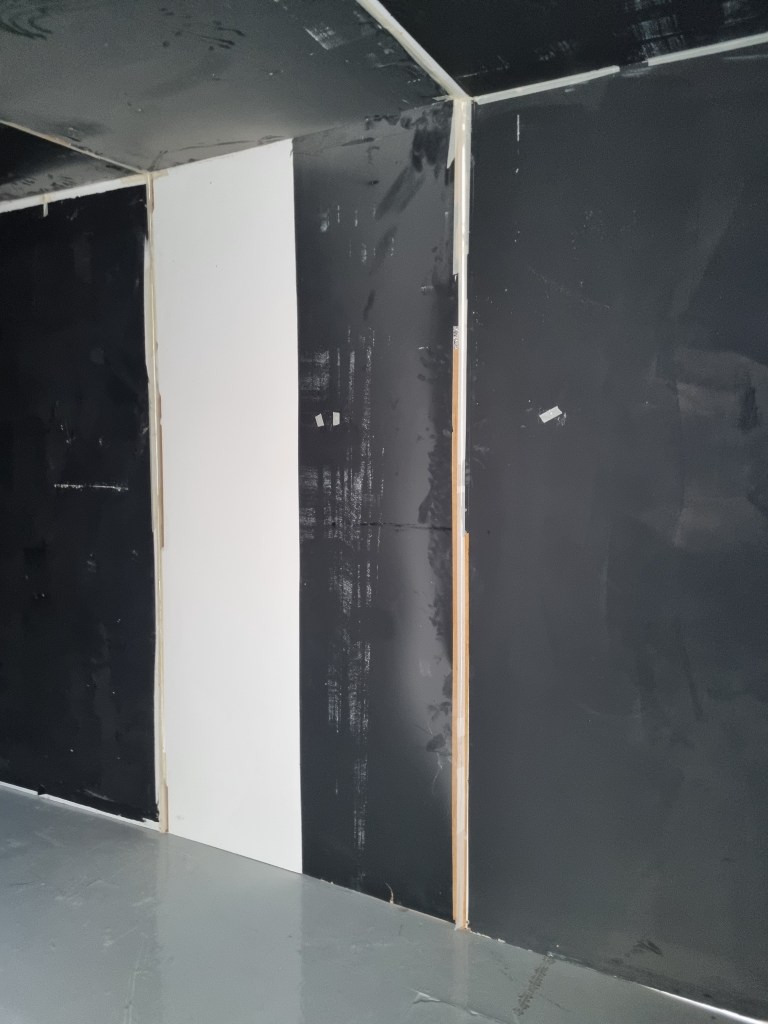
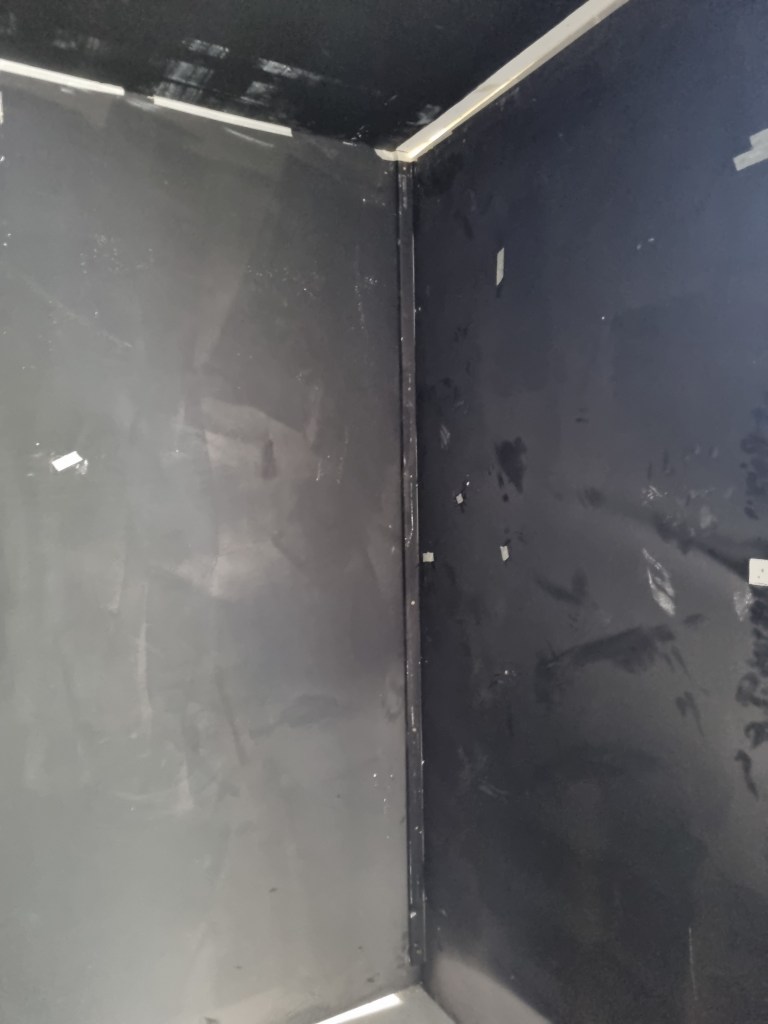
I painted the corners black and white marks, then the walls and then the floor. I thought the black colour was too dark even if there would be illumination from the sculptures. So I spoke to my friend, who suggested repainting the walls with grey paint.
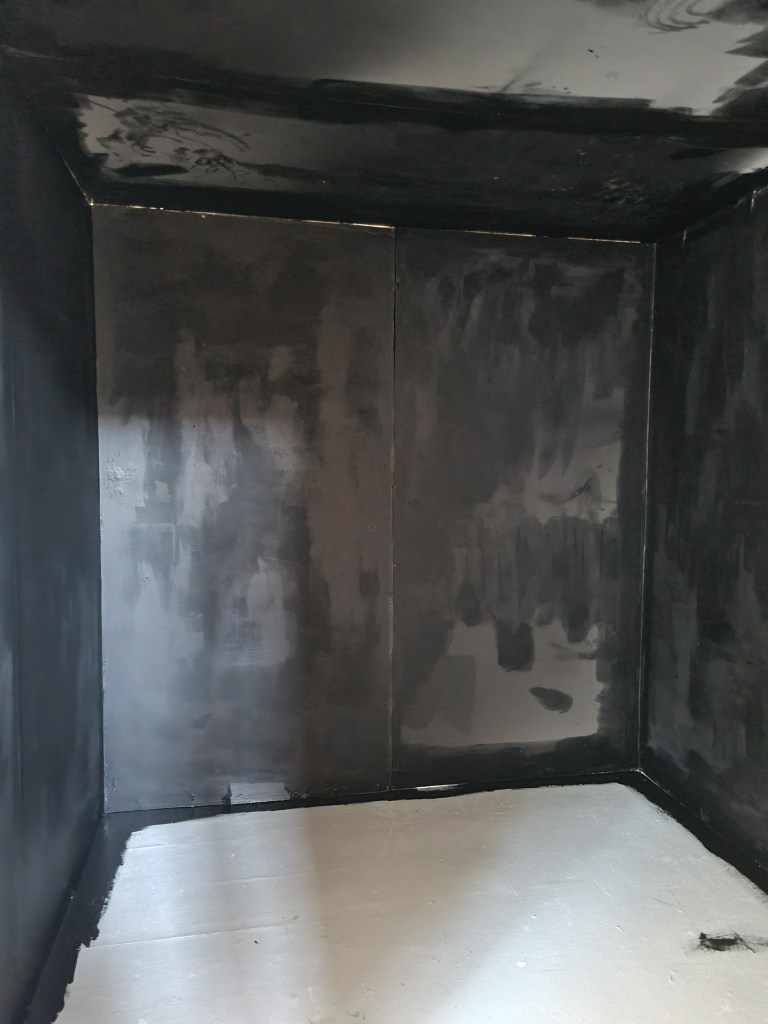
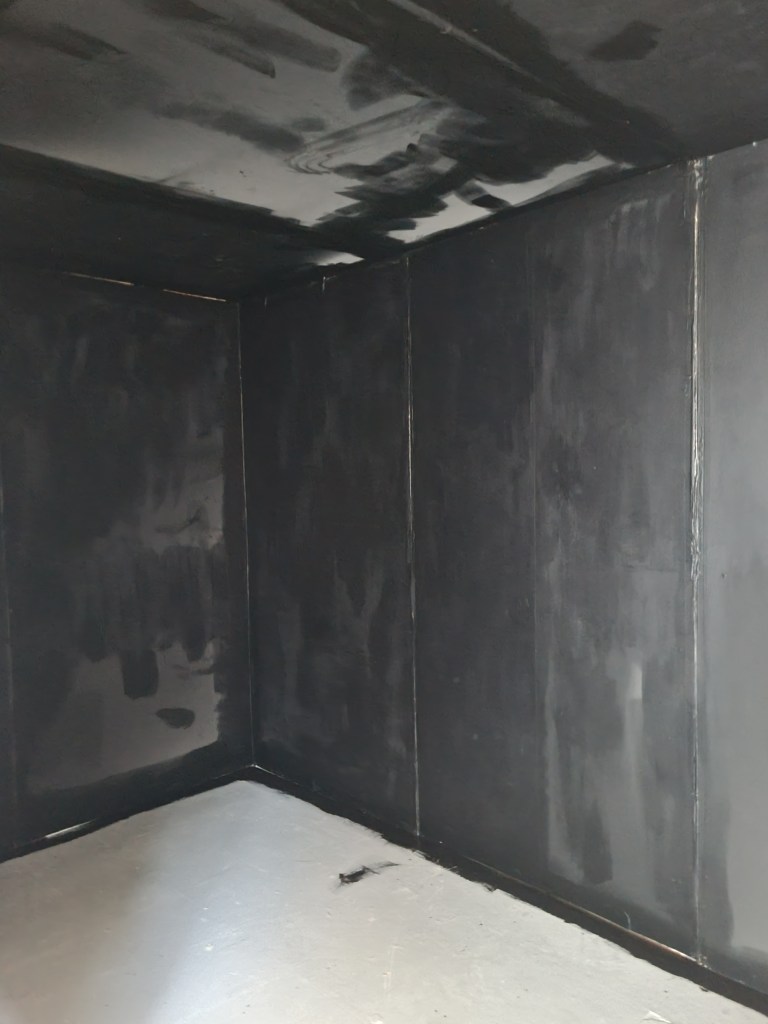
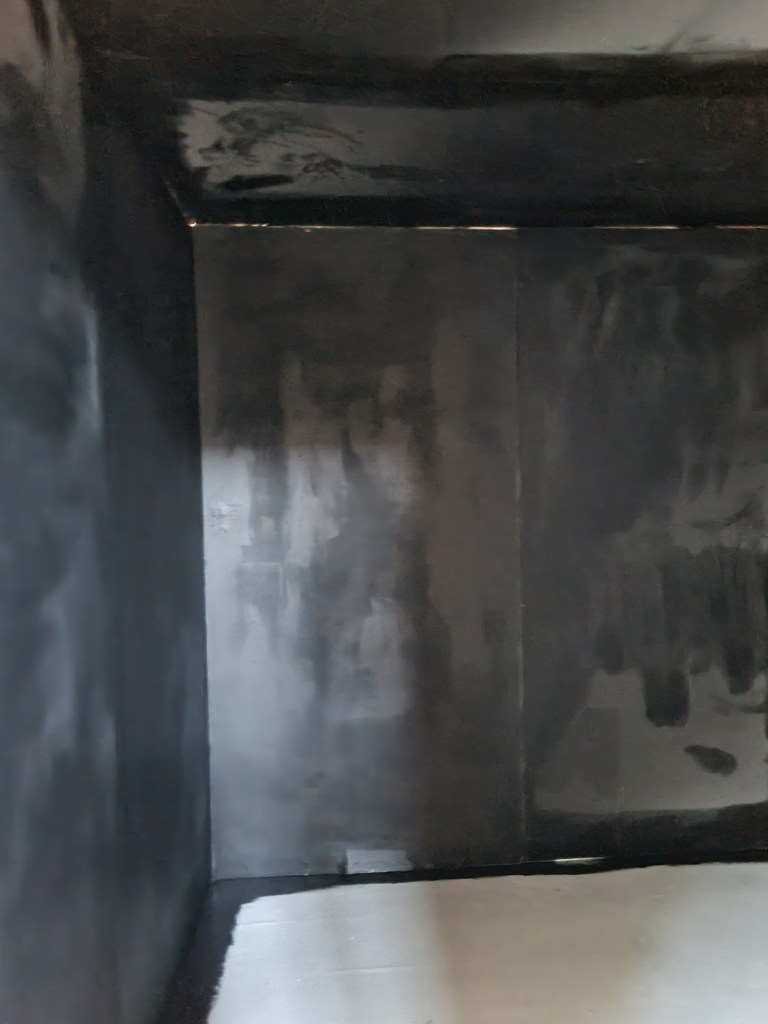

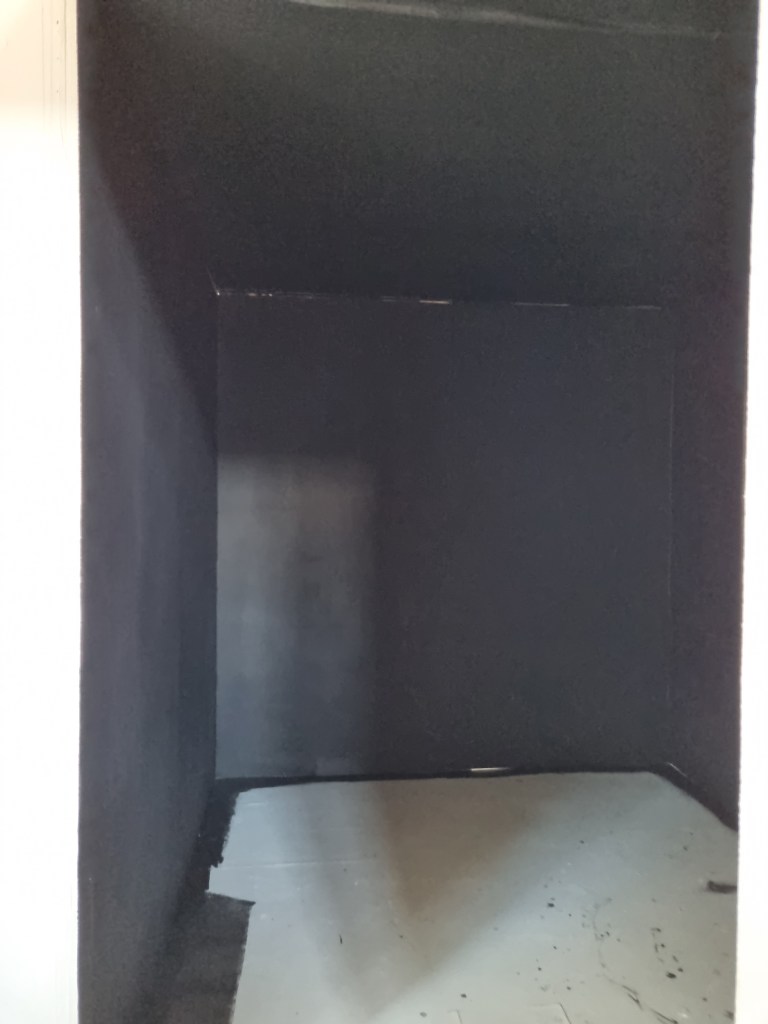
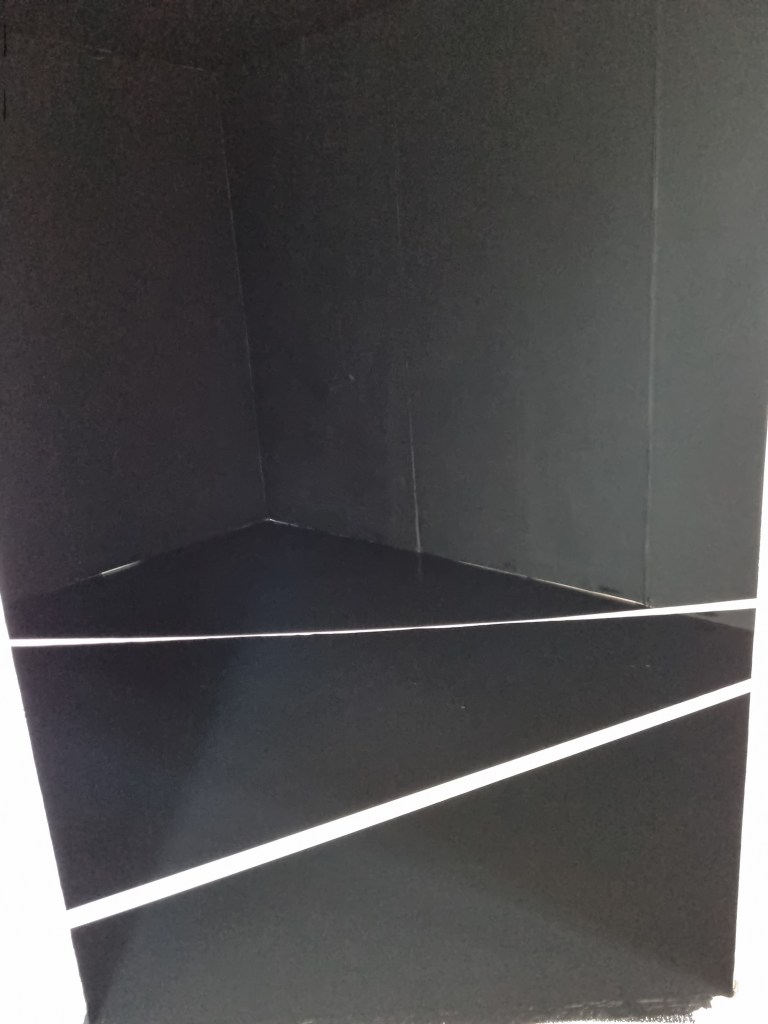
But there was no time for such changes as the exhibition was three working days away. Then my friend also said to attach plastic sheet straps over the walls. I liked the idea, but I had to try it and see it before making radical changes. So I bought a transparent plastic sheet that could diminish the room’s darkness, one for the floor and different for the walls. My friend Mat held the sheet over the wall so I could see the results of the tone of the colour.
It did not look as I had imagined, and I dismissed the idea. However, I also discussed the thought with Steve and another fellow student Bee, who stated that I didn’t need to do it as it was good as it was. Although I did not proceed using another medium, I still liked the idea and am open to exploring the thought in the future. In addition, there needed to be more time to investigate and work with this idea through research and practical aspect. The exploration of layering backgrounds may be for another project.

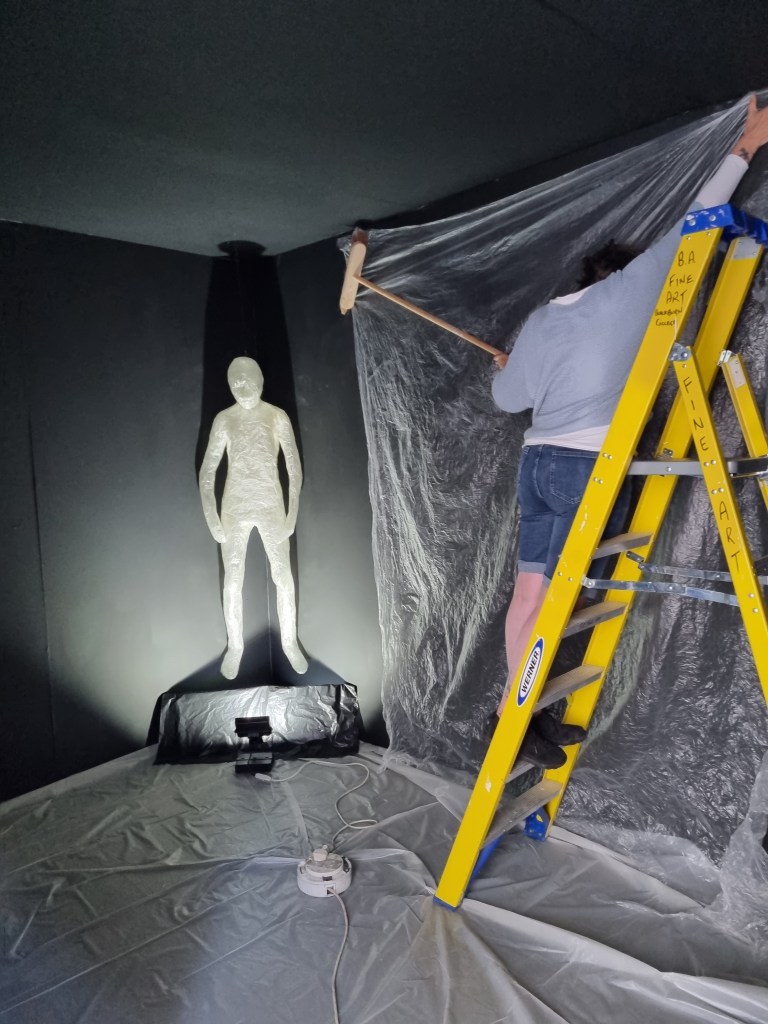

Two exhibited figures must be adjusted and finished in the space. Because they must be suspended, the line has to be attached and secure the figures. Finally, the lights have to be placed and attached to the figures. The lights will be manipulated by remote control, and I will attach them inside of two sculptures for a subtle illuminating effect.

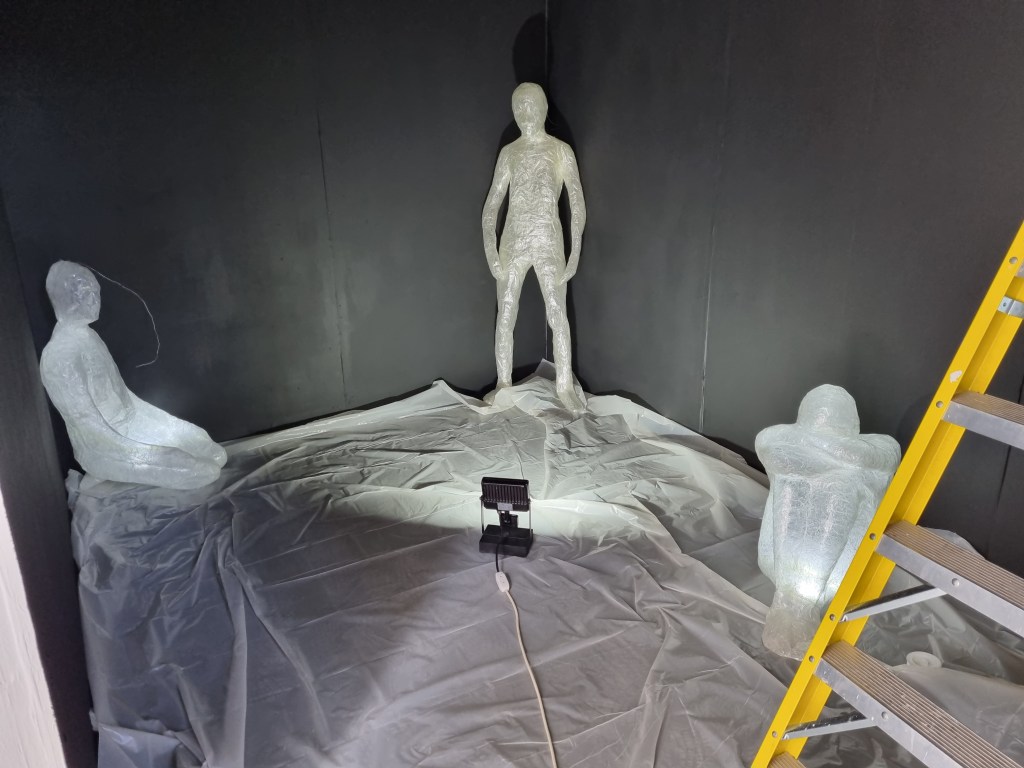
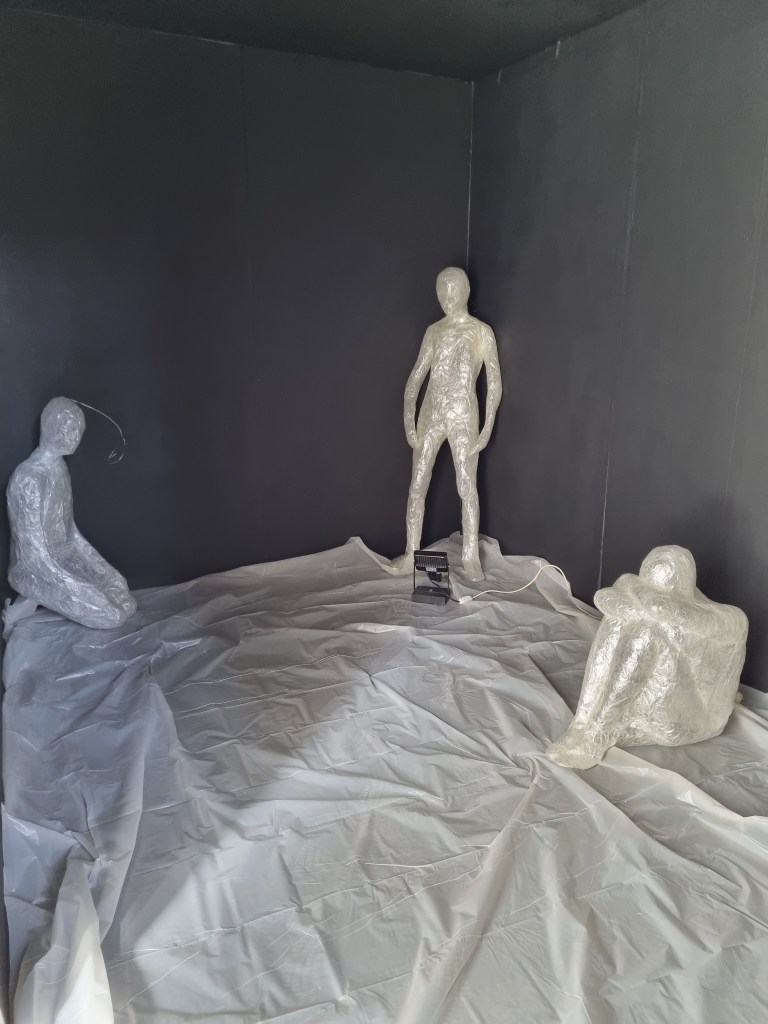
I tested the effect of lights in the standing pose, and the figure had dark parts that did not look right and did not create a subtle impression of the illumination. So I placed the lights outside the body directed from the floor at the standing figure. That wasn’t what I wanted at the beginning. However, it gave the standing pose and the installation different perspectives.

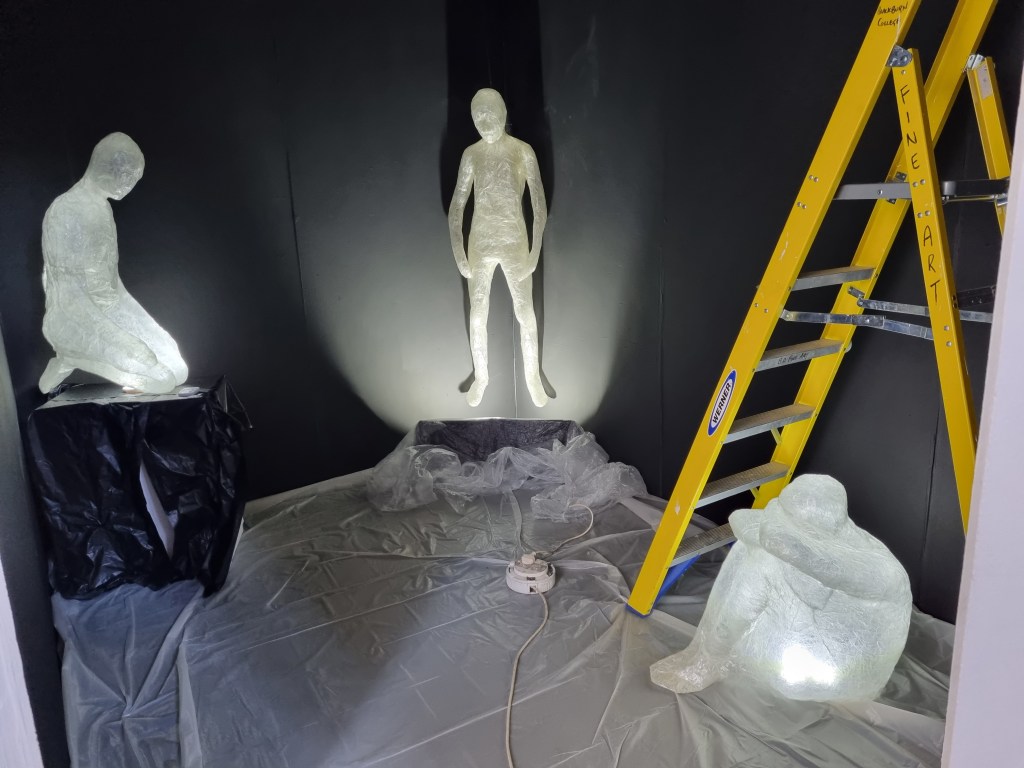
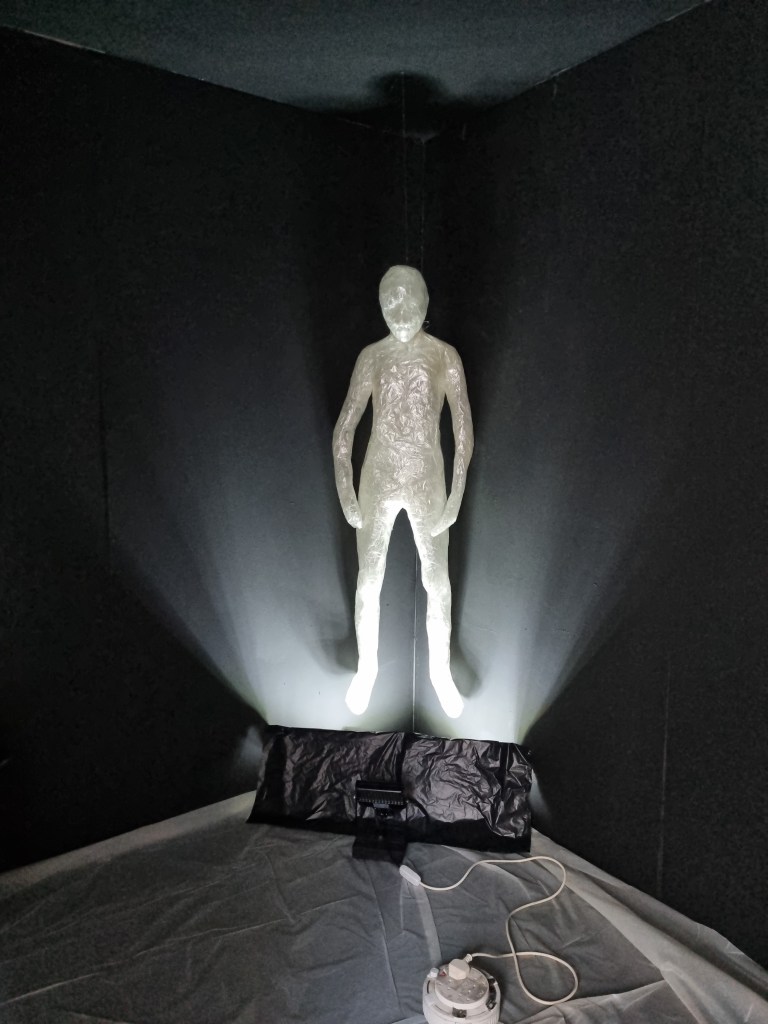
I created a temporary barrier from a metal rack I found in the studio. I covered it with black plastic to hide the lights so the viewer couldn’t see them and to direct the light to illuminate the figure. Then, I tested how the lights should be established and moved in front or behind the barrier to get the best result for the light effect.
I made a shade for the light from a cardboard box I found in the venue. Instead of painting the box, I dressed it in black material to create a smooth finish. The bulb’s strength was not as bright as the light illuminating the two other sculptures. The light needed to focus on the figure. I tested the shade many times to refine the best result. In addition, the industrial light I used for the standing pose was with an ordinary 60W bulb. The spotlights had 6000K daylight strength, suitable for high visibility. The lights had other functions, such as a timer and puck-style tap, which I did not use. I chose these lights for the remote control option and the bright illumination.
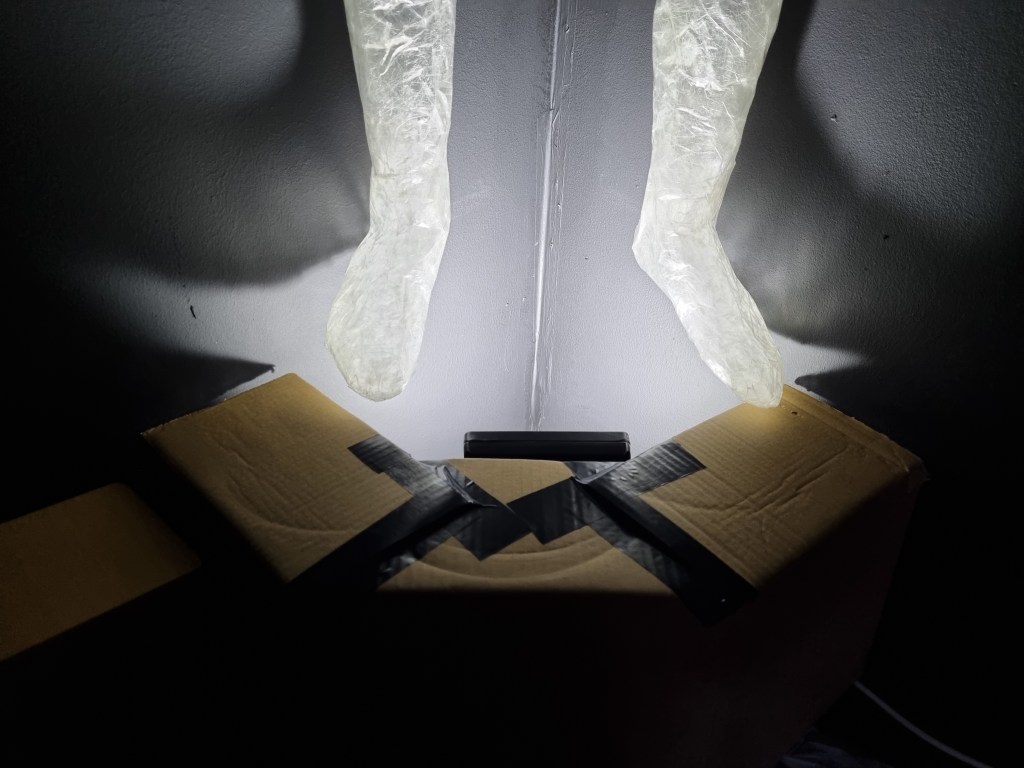
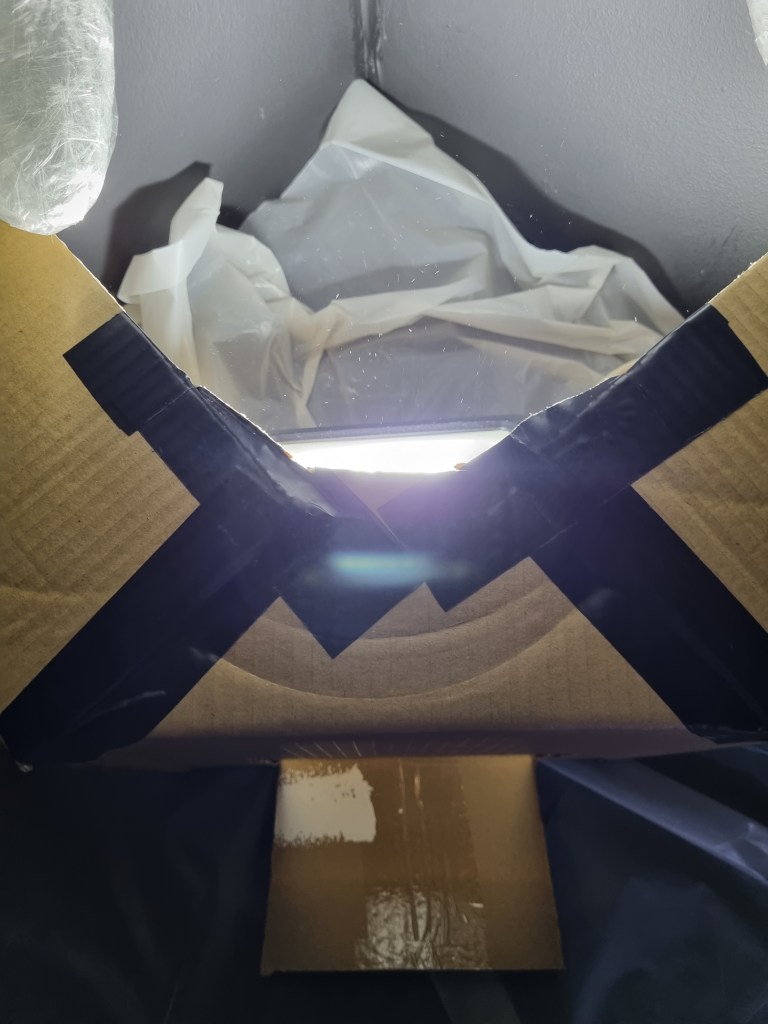
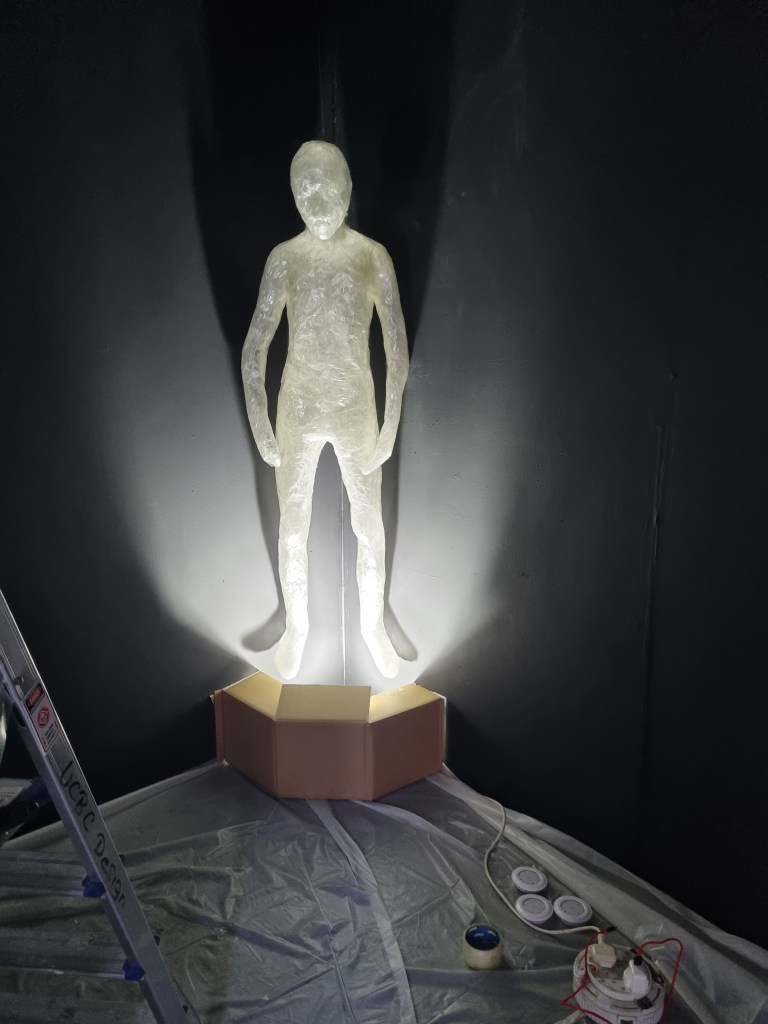

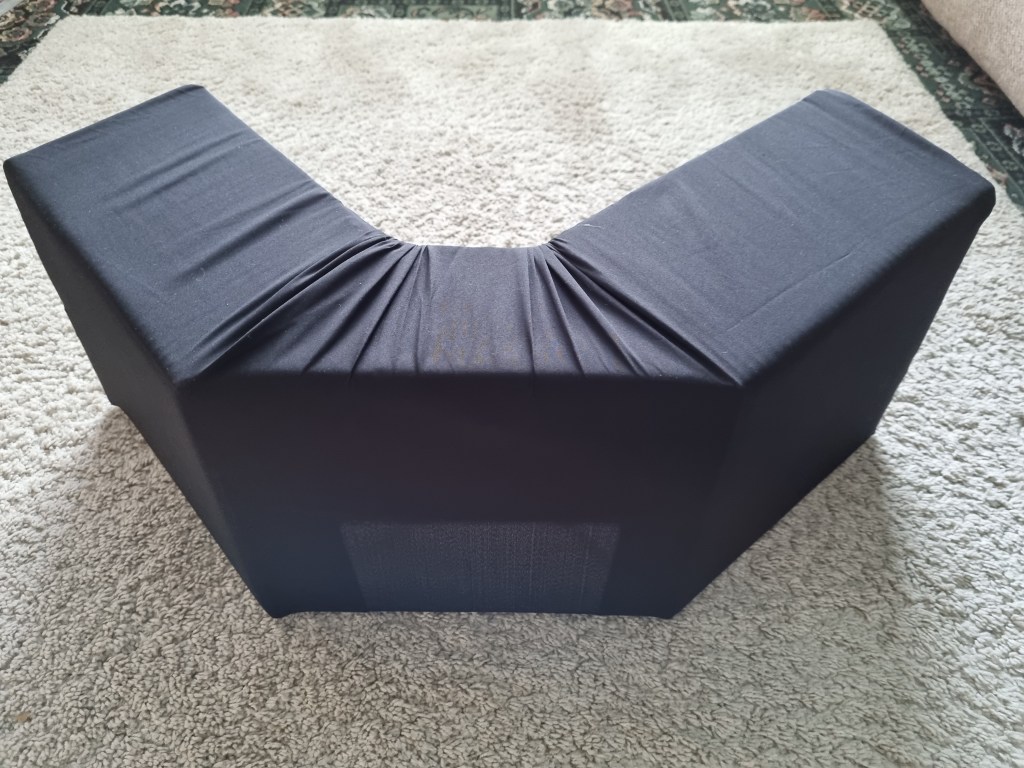
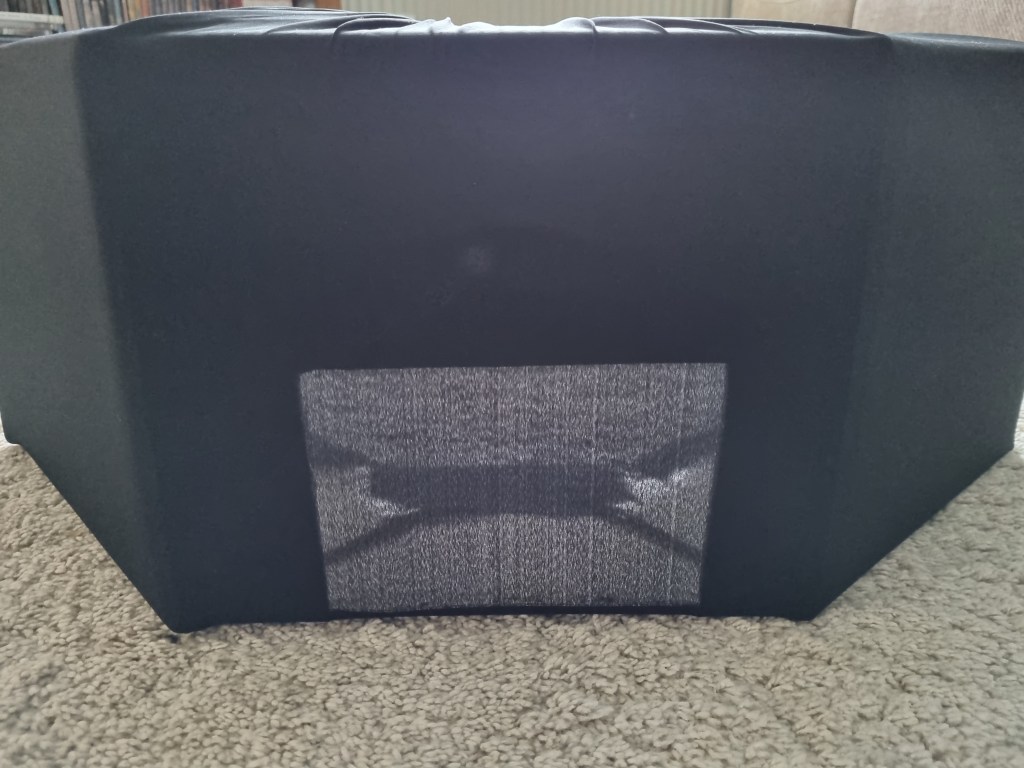

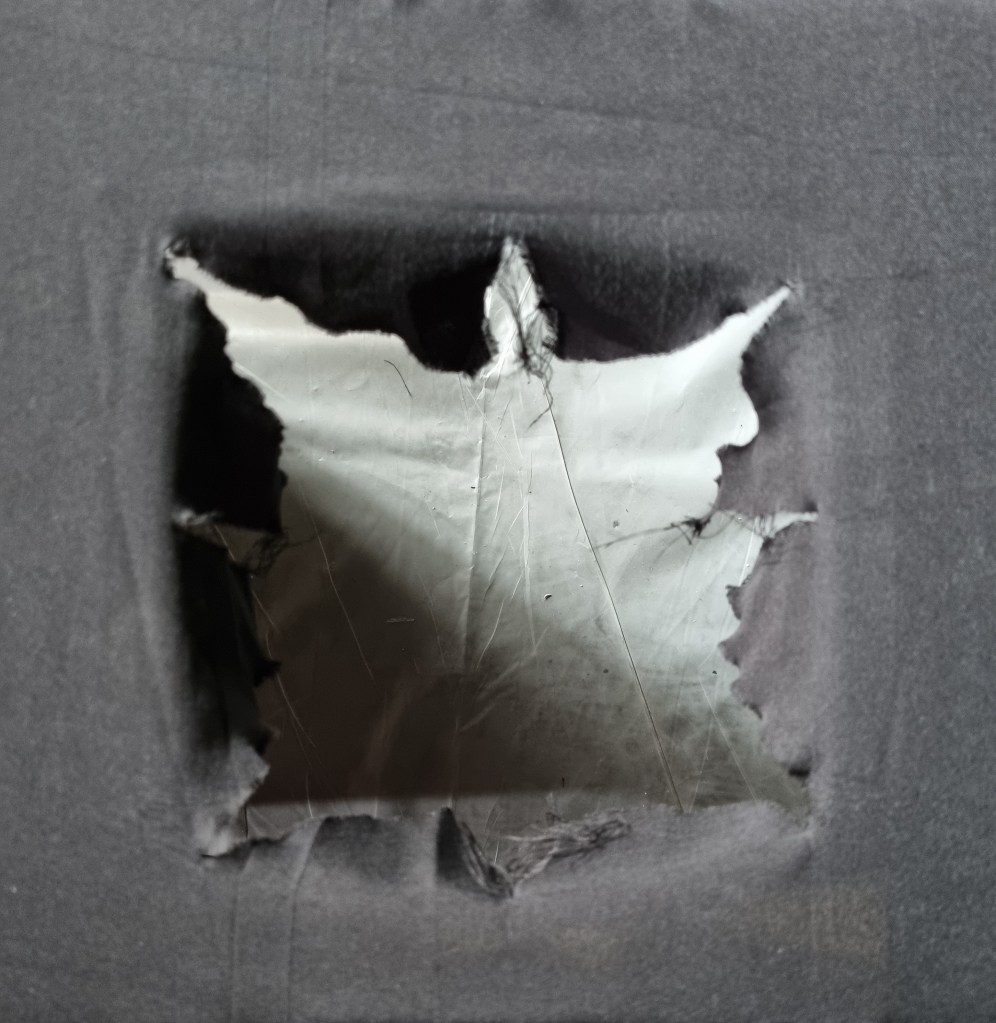
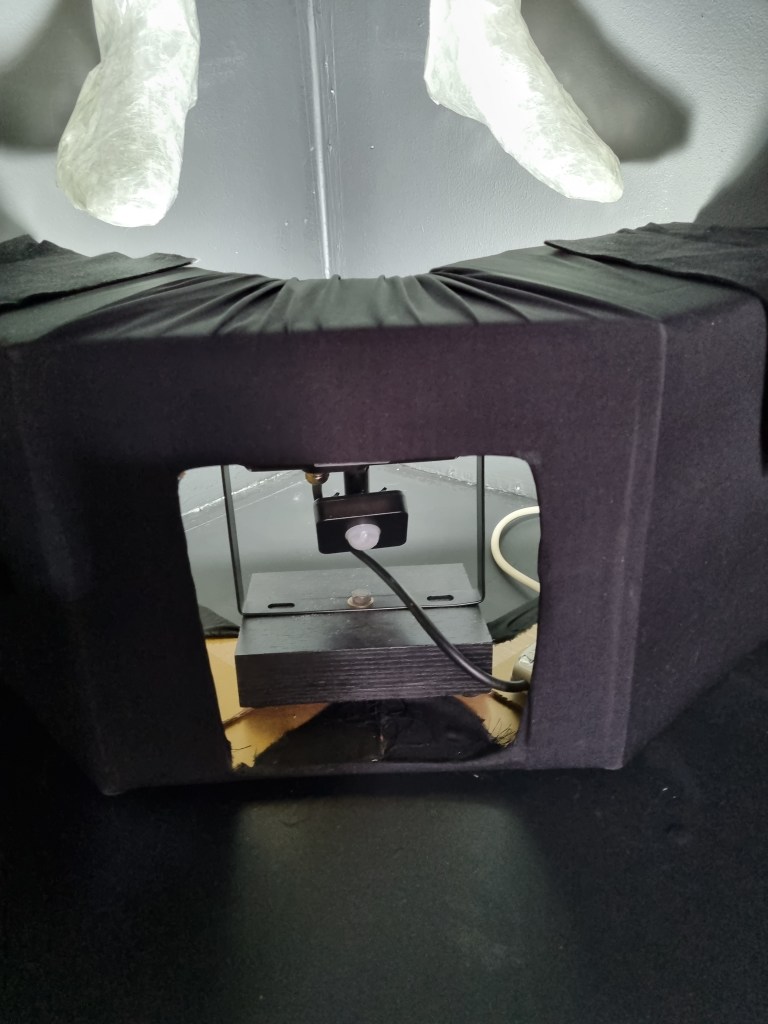
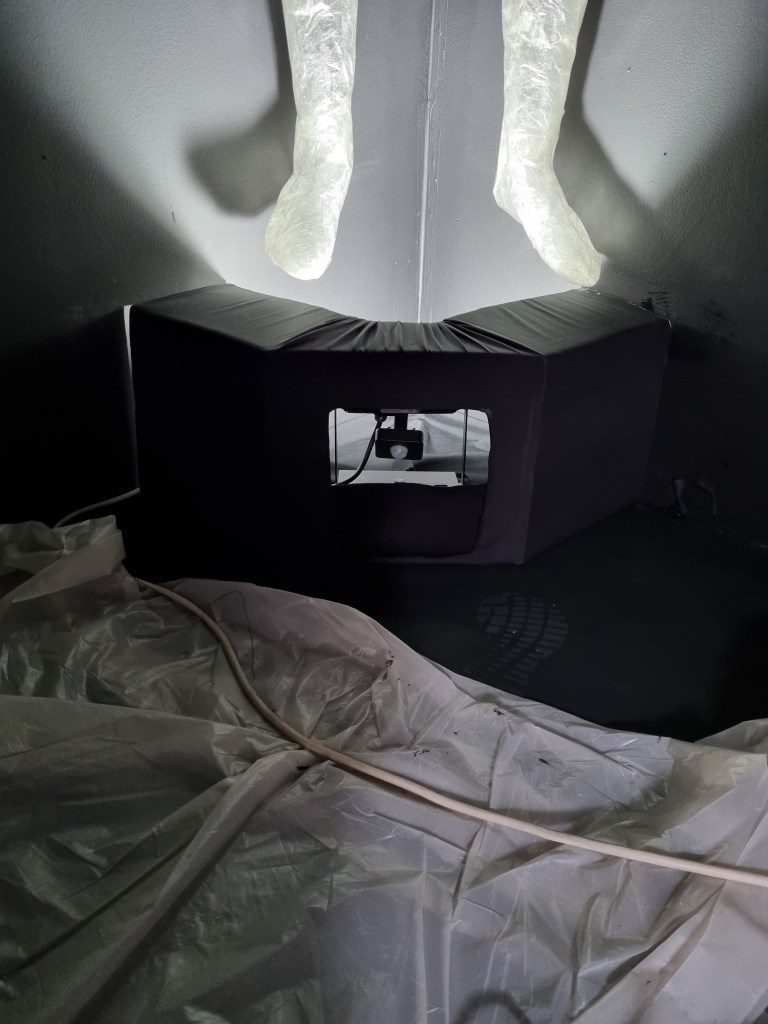
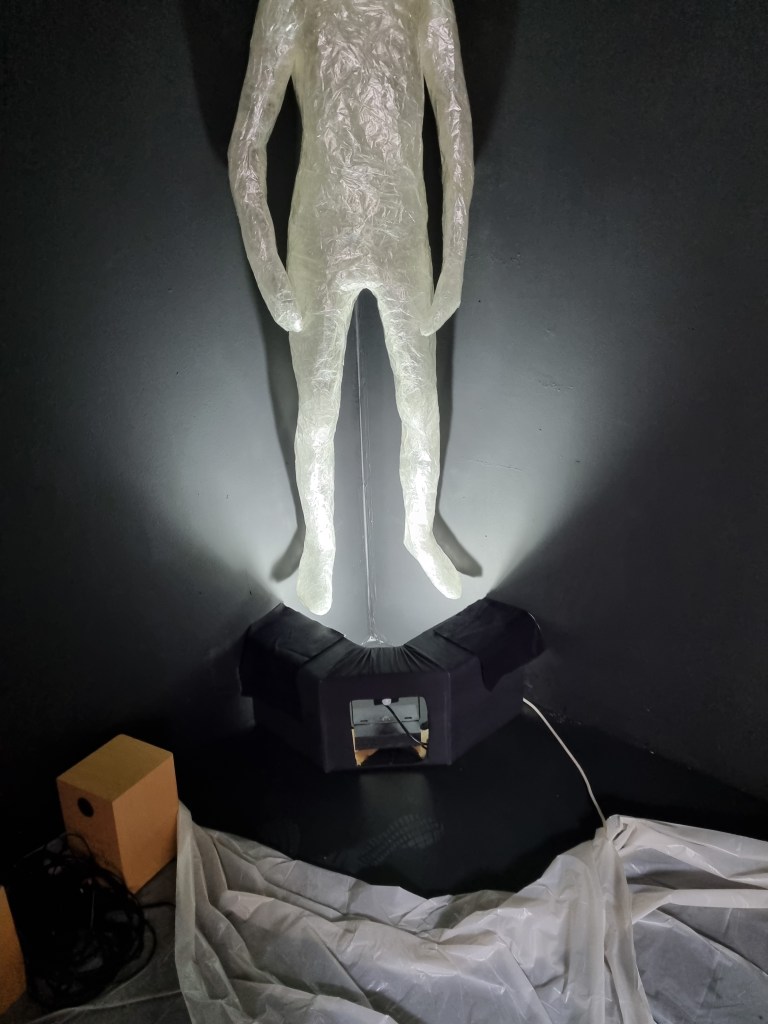
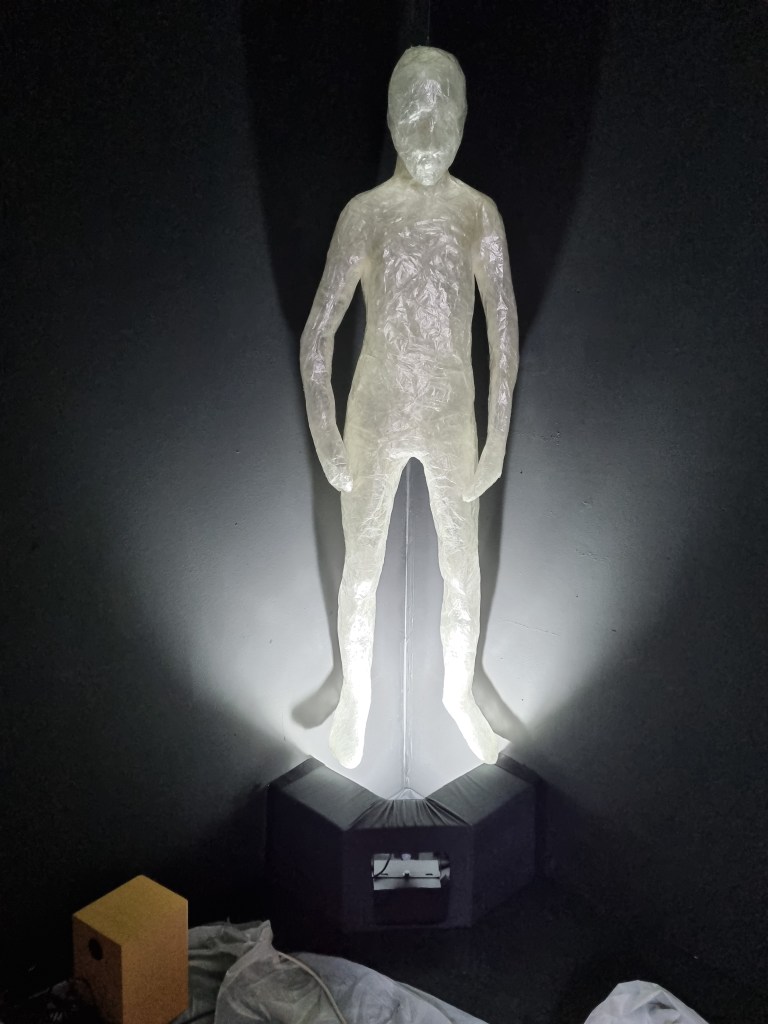
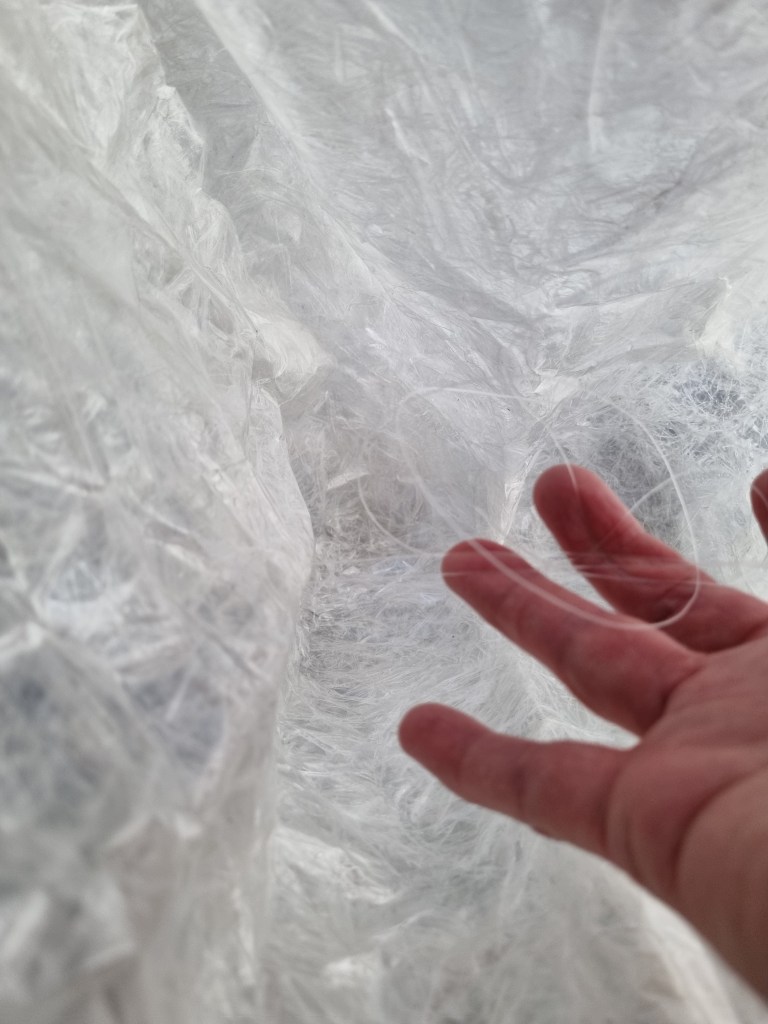
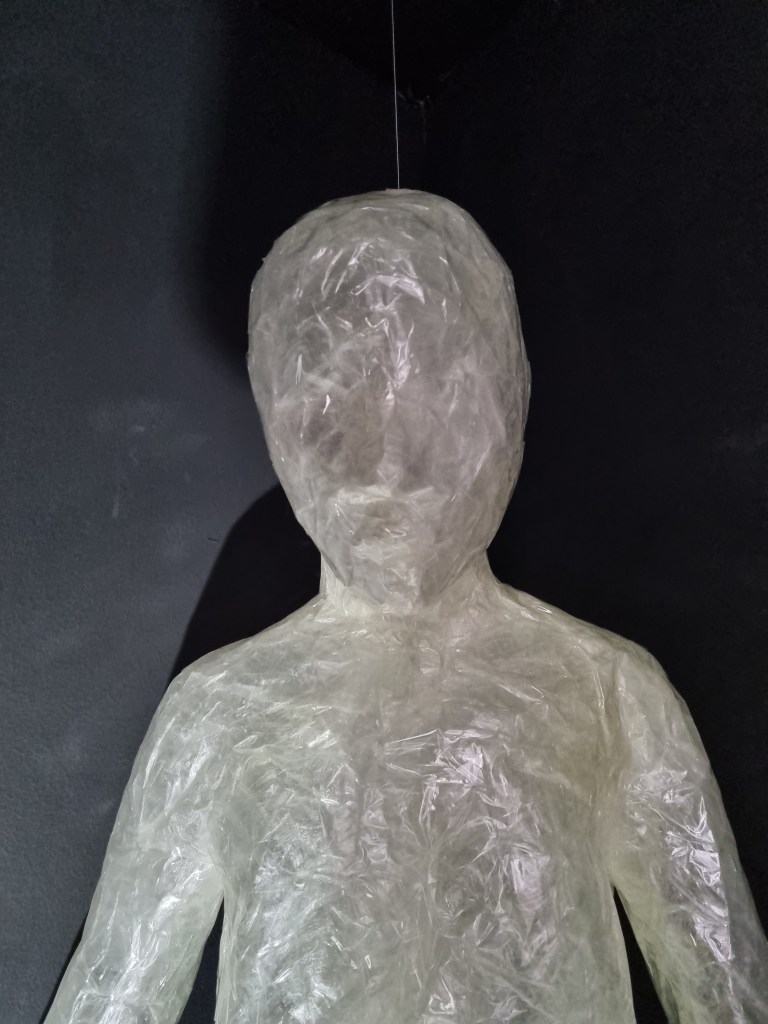
I adjusted the shape of the “Standing” and “Meditative Stated” pose with a fishing line, driving through the sellotaped body. I used a crocheting hug size of 1.0 mm. I also used the fishing line to attach the two sculptures to the sealing. When I placed all three poses into the space, the effect was good, and having the “Anxiety” pose on the floor worked well.

Testing the plinth
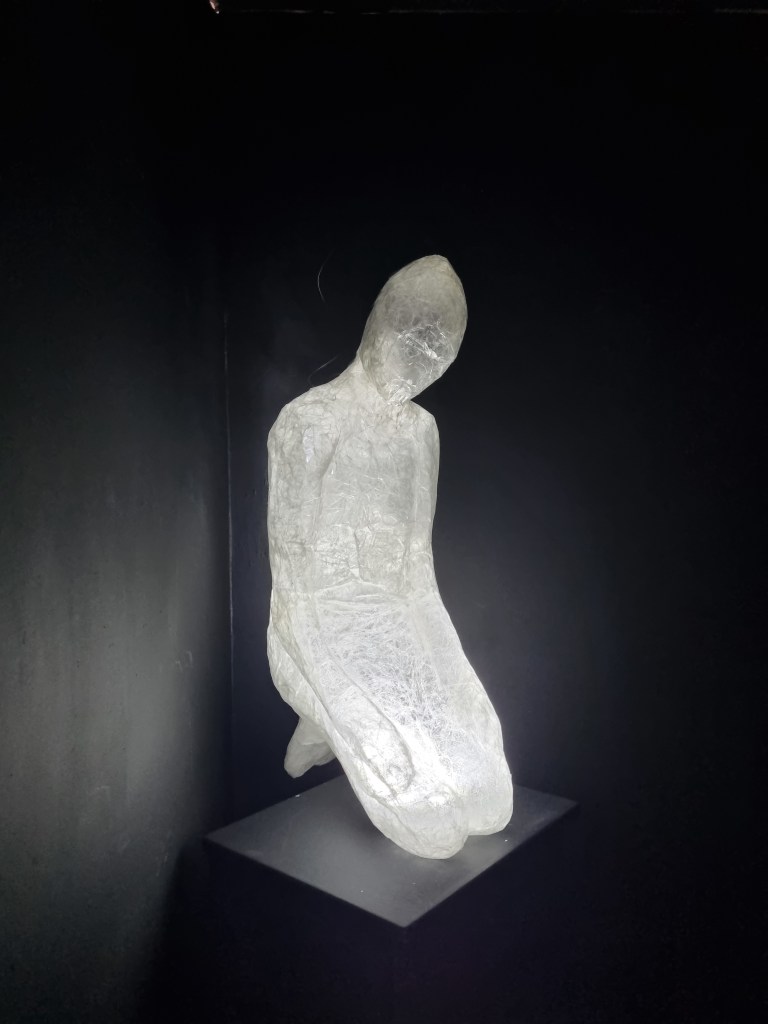
Testing the composition
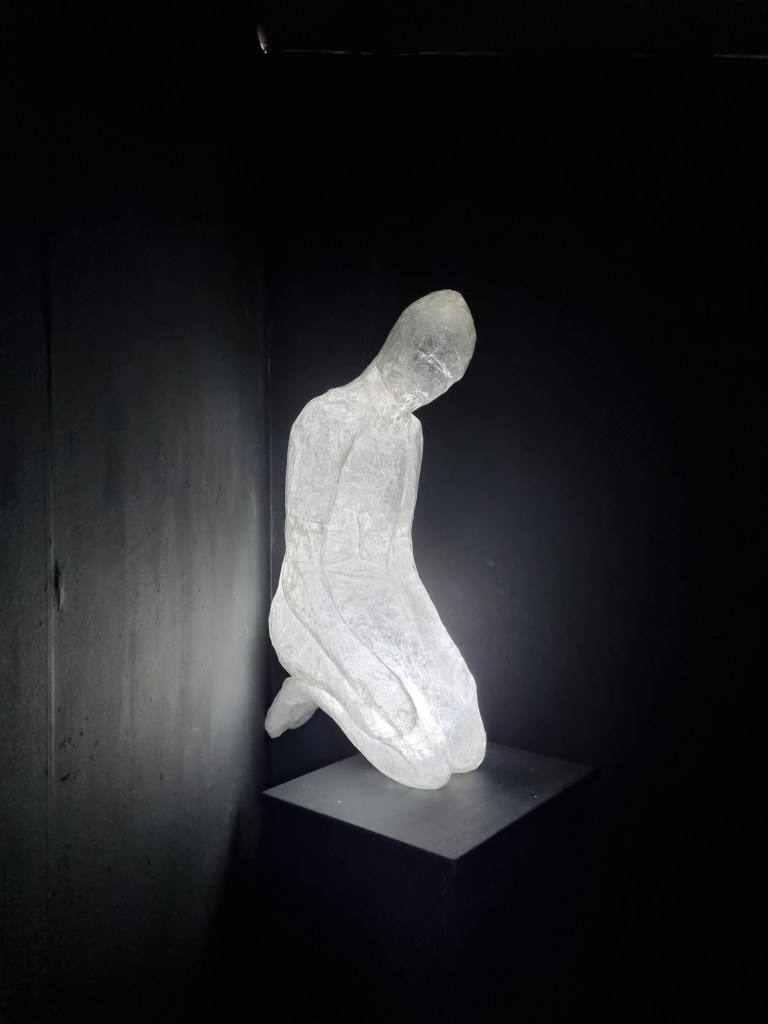
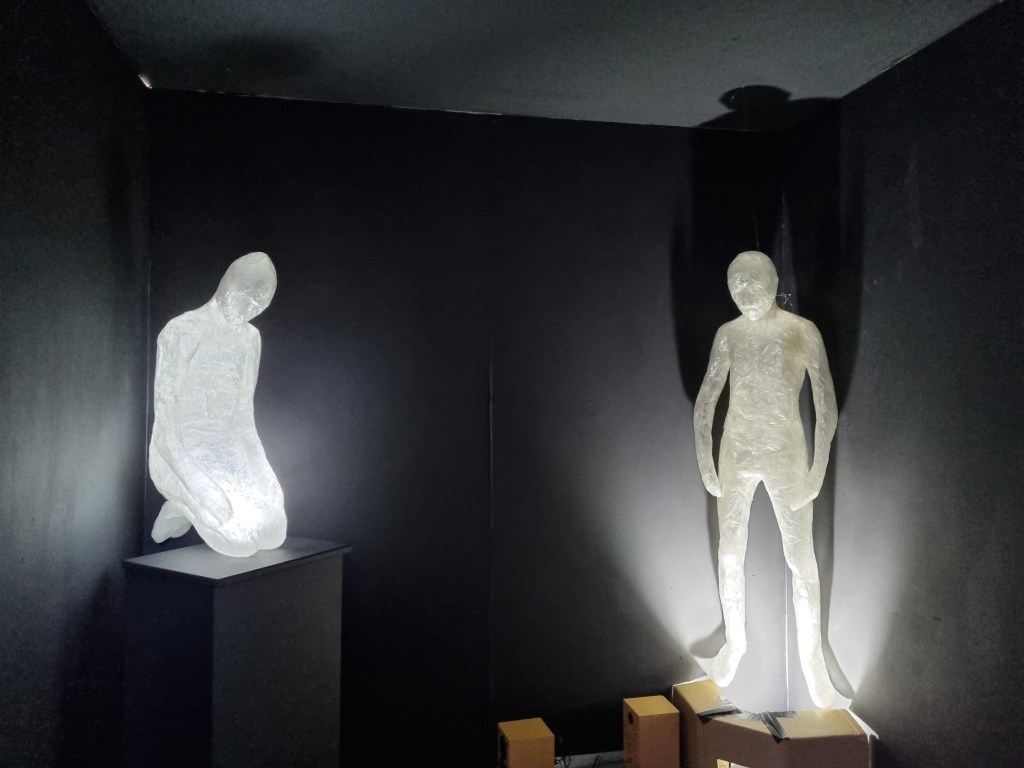
The lights outside the standing pose shining from the bottom to the top gave the installation extra volume by reflecting shadow from the figure as it would be the darker part of the human being. The pose represents the dark part of a human being, inseparable from the body and mind. This element appeared while I was working on the installation in the venue, and it needed to evolve while placed in the space to evaluate the natural expression of the figure. The figure was moulded with visual and audio elements, giving a character of the human representation. With light and sound, the standing figure expresses human conditions, appearing in a profound presence of thoughts.
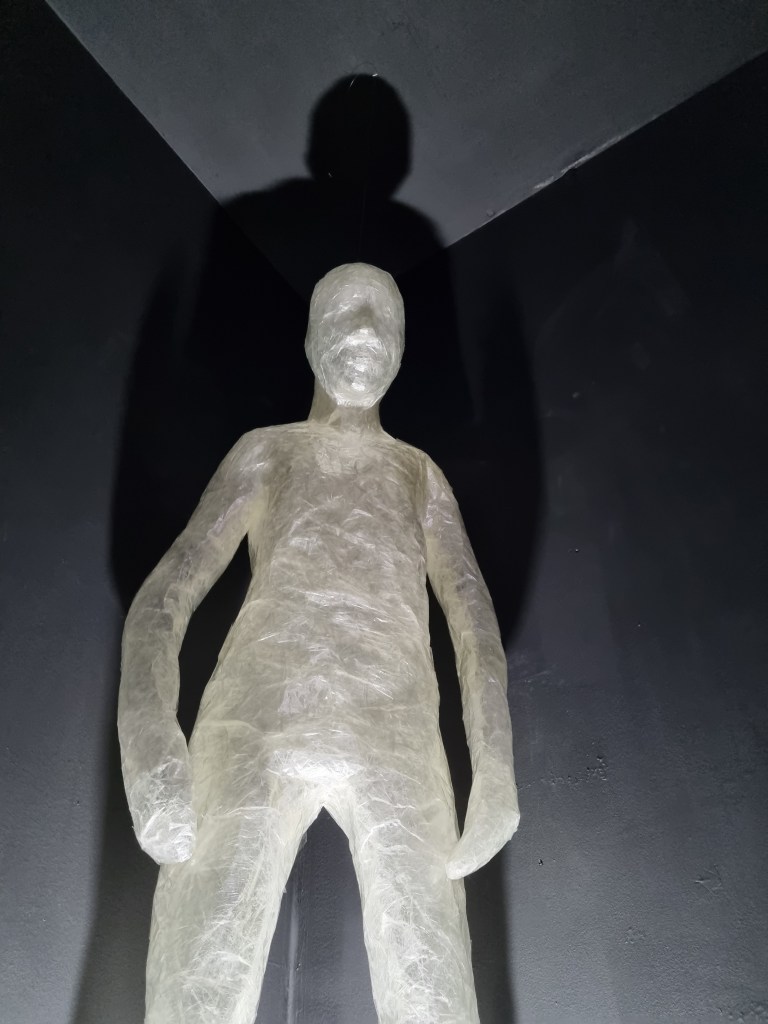
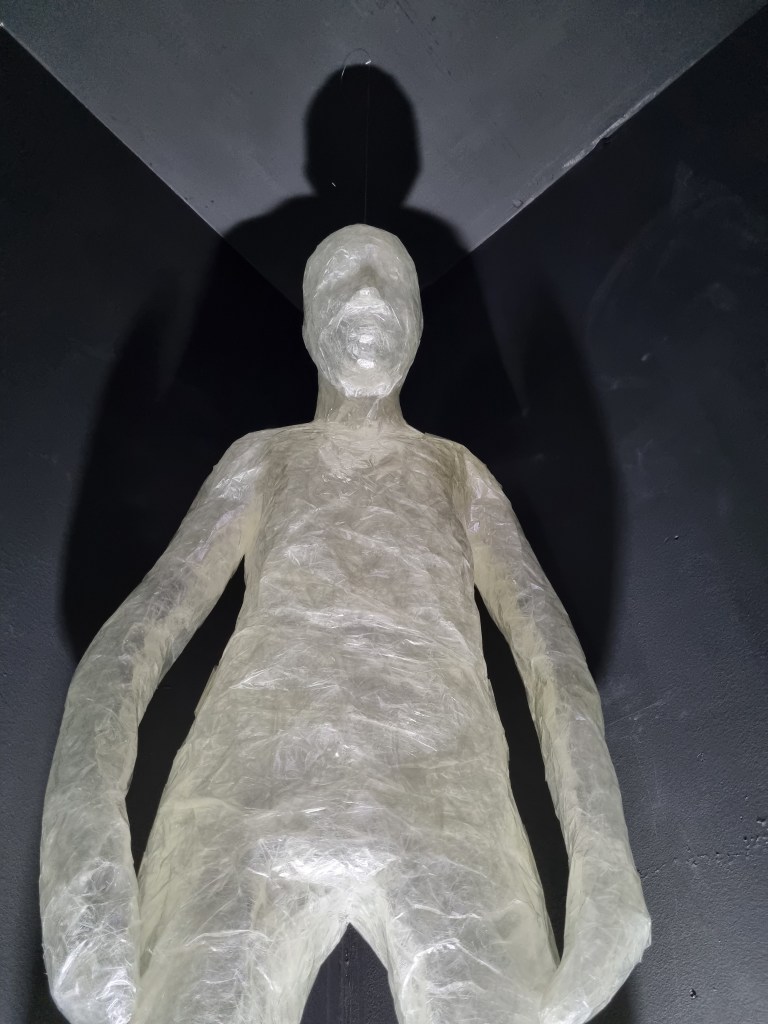
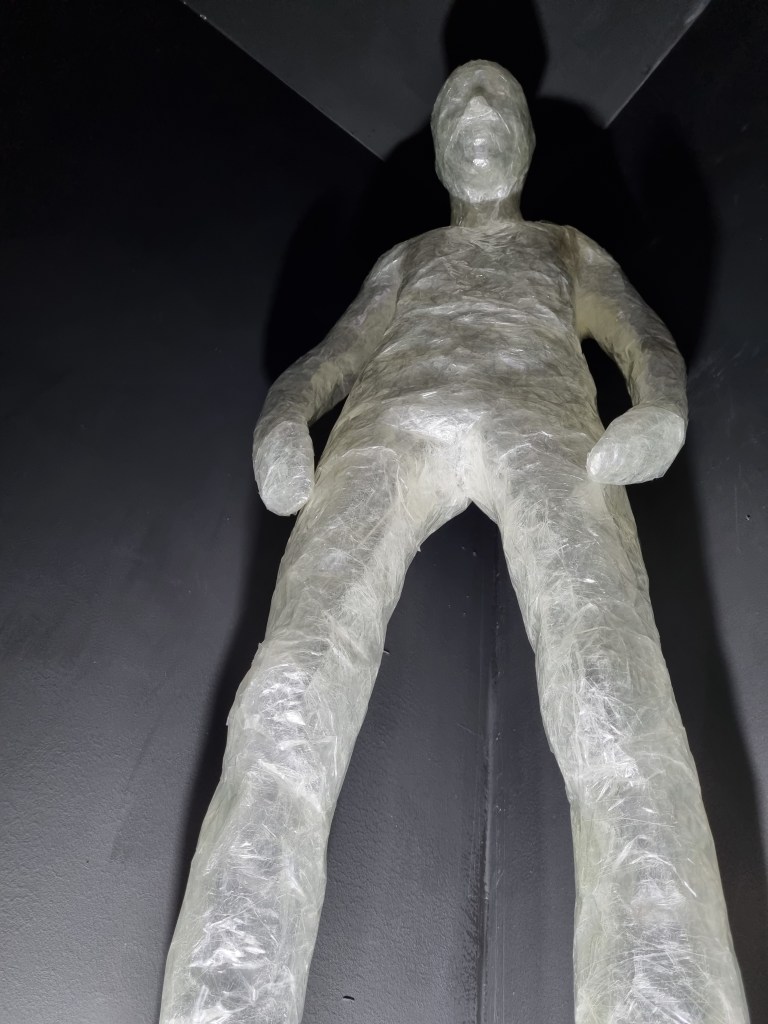
The standing poses express dominance and appears less pleasant. The articulated body language, the light shining at the sculpture, or the fact that the sculpture is not creating transparency, seem to project negative emotions.
However, all poses reflect the human conditions mainly perceived in body language. In summary, the poses represent and visualise the human conditions and the spiritual part of beings.
That is the element I want to articulate in this installation to have the viewer experience sensations and become aware of the inner being to get to the core of the human being. Then, through a breathing simulation of regular rhythm, the connection separates the inner being from the outside world. In this project, I want the viewer to discover the truth about the incredible human ability, and a meditative state can make it possible with the help of intention and attention.
Evaluation
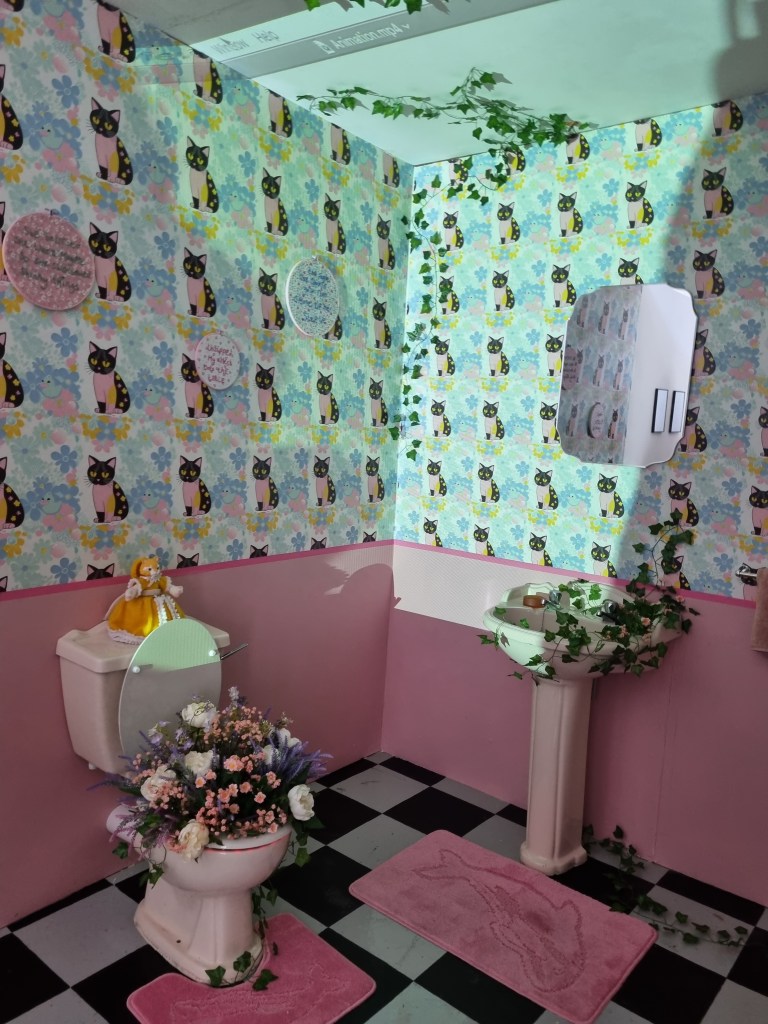
The last year’s show of BA (Hons) Fine Art year three was awe-inspiring and well-executed. The space for the “Being” installation was great as it was separated from other artwork. Initially, the installation should be displayed independently without any neighbouring artwork, which would be perfect. However, the curators built another space for Rianne’s work next to the darkroom, which referred to mental health conditions. Although the contextual aspects of the installations resonated well together, the execution differed. Rianne’s “Bathroom” was well executed and thought through, displaying chaos that occurred or still does in the artist’s mind. The “Being” represents the peacefulness in the human mind and the core of the human being, which contradicts but also resonates with the human being state and conditions. The “Bathroom” was contemporary work full of disruptive sounds and flashing lights representing the state of schizophrenia illness. My work was more figurative and minimalistic in presentation, which contradicts.
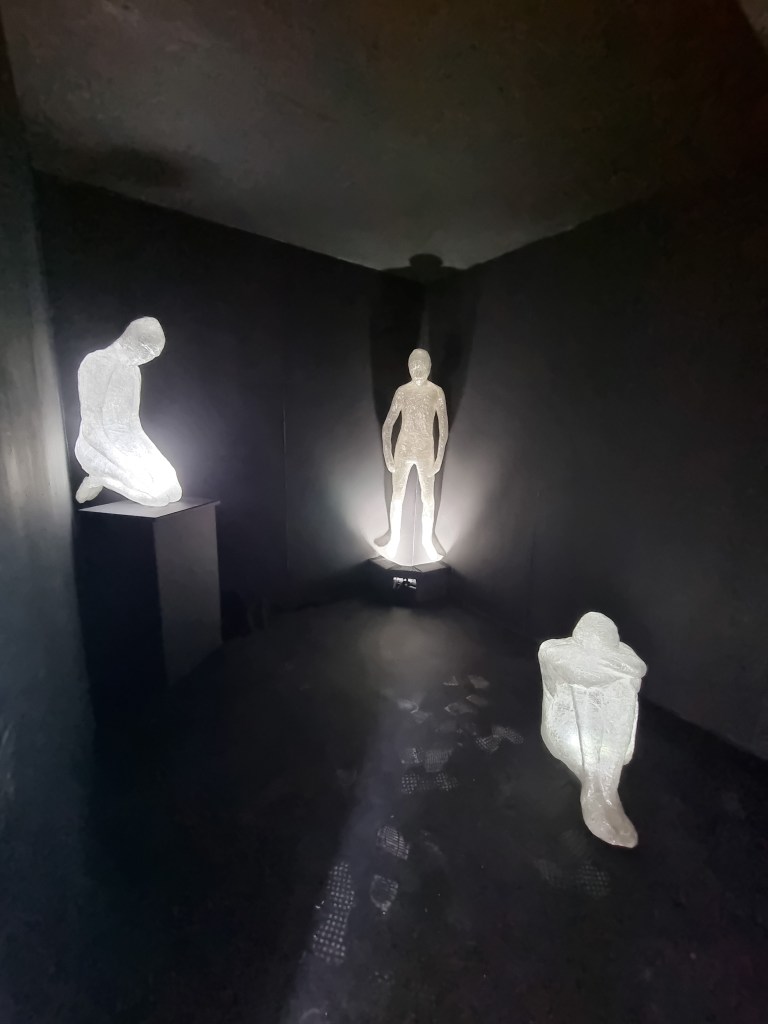
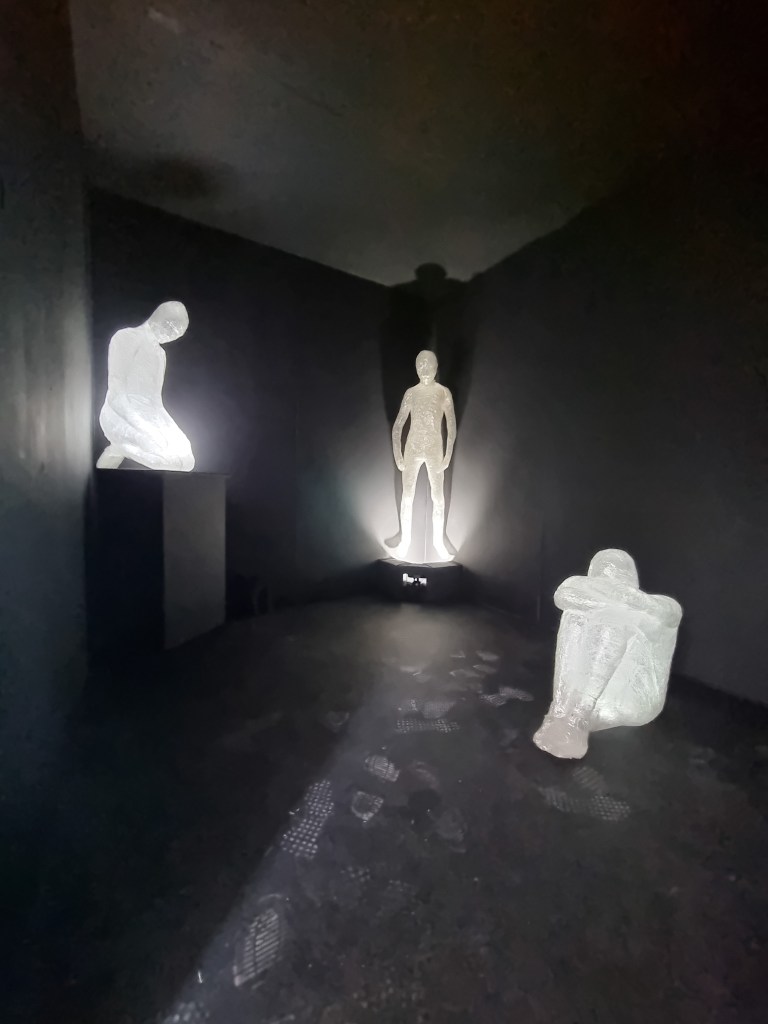
When the audio of both of our pieces was less loud, it seemed to work well together. However, once the sound increased on any side, it started to clash. To diminish the outside sound interfering with the installation audio, I had a thick curtain over the entrance of the darkroom. The curtain was supposed to trap the audio of breath and separate the sounds. That worked well if the sound was low. In addition, the darkroom was too dark and too small for the installation. I would give the three figures a lot more space in the future. The exhibited space is as important as the work and needs to create the proper harmony and balance. The impact of the darkness took some viewers aback. The claustrophobic effect would not be as apparent if the darkroom if it were more spacious. However, the two rooms became from time to time overcrowded, and that could bring the health and safety issue in place. The rooms needed to be more apart from each other to prevent any collisions. I also did not promote the cushion for people to sit down to connect with the sculptures as it was black and could cause trip hazards.
The audio was good, and the curtain separated the outside noise from the breath sound to some extent. The curtain also confused some people as there was no mark of the entrance, and viewers struggled to find the way inside. I should mark the access to the darkroom and indicate it clearly to the viewers. The remote control was visible to the invigilators. However, the batteries ran out of power quickly because the lights were constantly on, and I had to change the batteries three times over the week and two days of the exhibition, which was costly and was not working well. I must have an electric connection for the lights of the next installation of this piece. I believe the installation would be perceived better if placed independently and in a bigger venue. However, the overall impression was outstanding, the exhibition was well presented and executed, and most visitors enjoyed the experience.
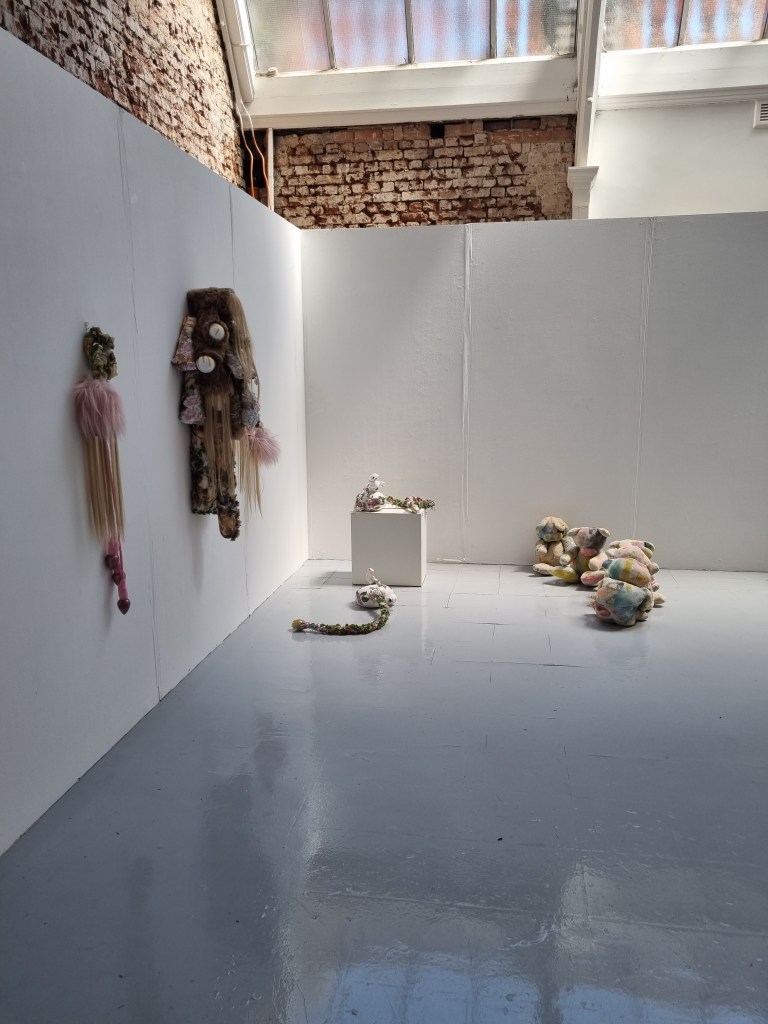
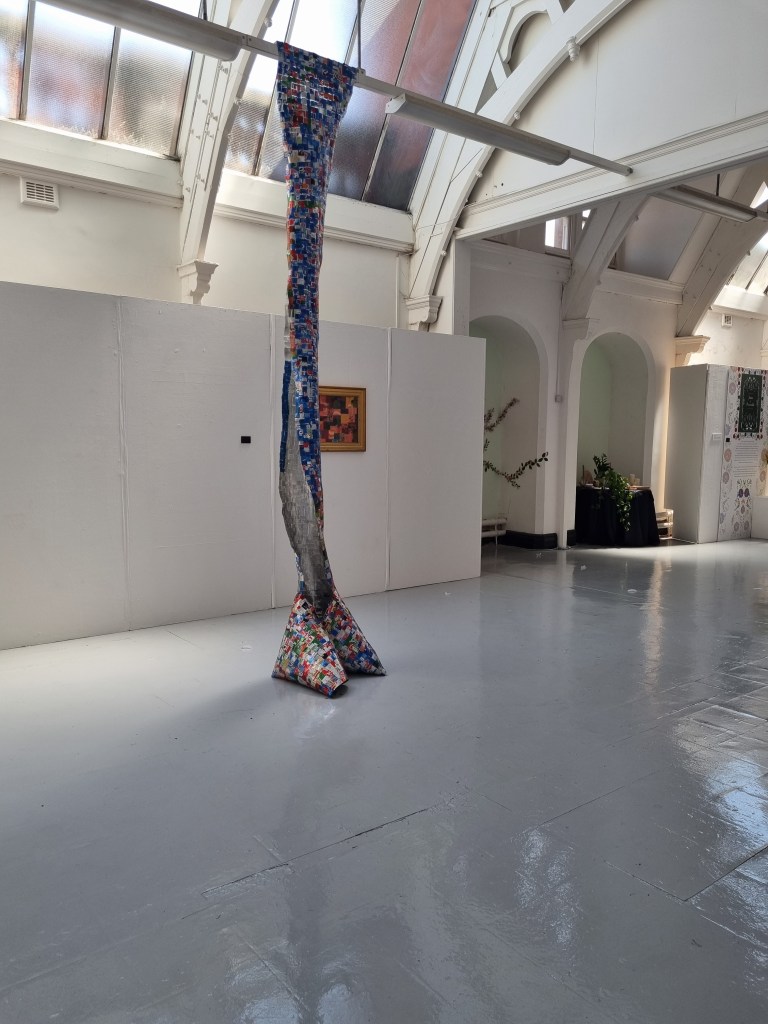


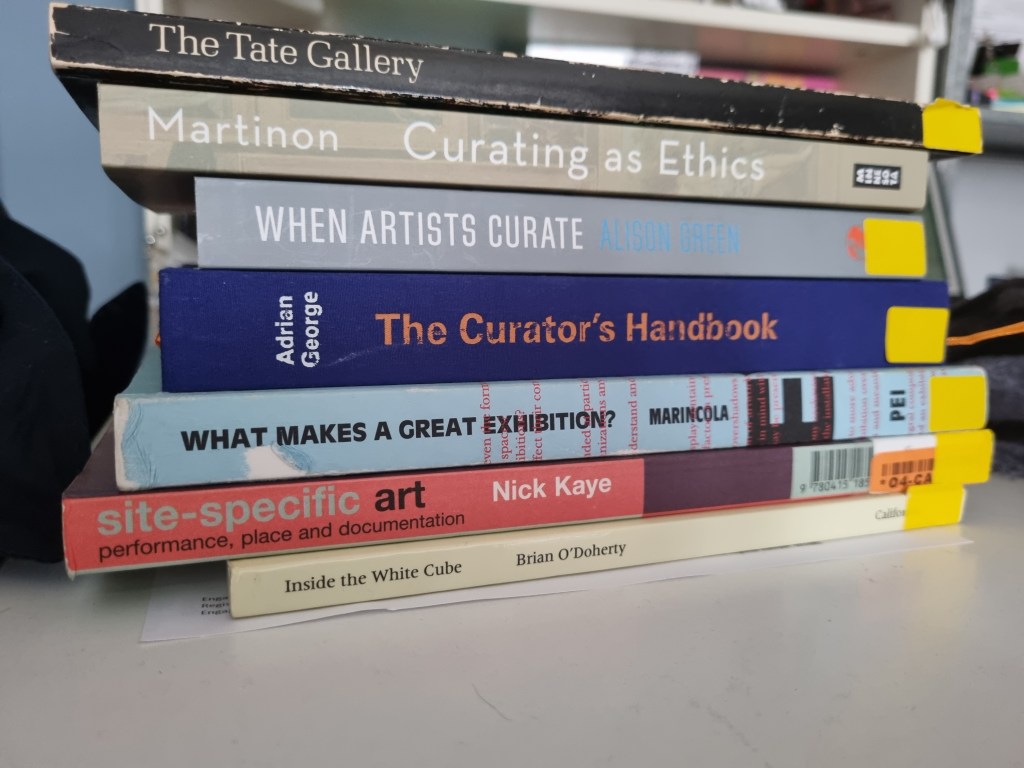
For the curation and research, I selected some books to draw inspiration.
 Milena (Filipova) Smith BA (Hons) Fine Art 2022/2023
Leave a comment