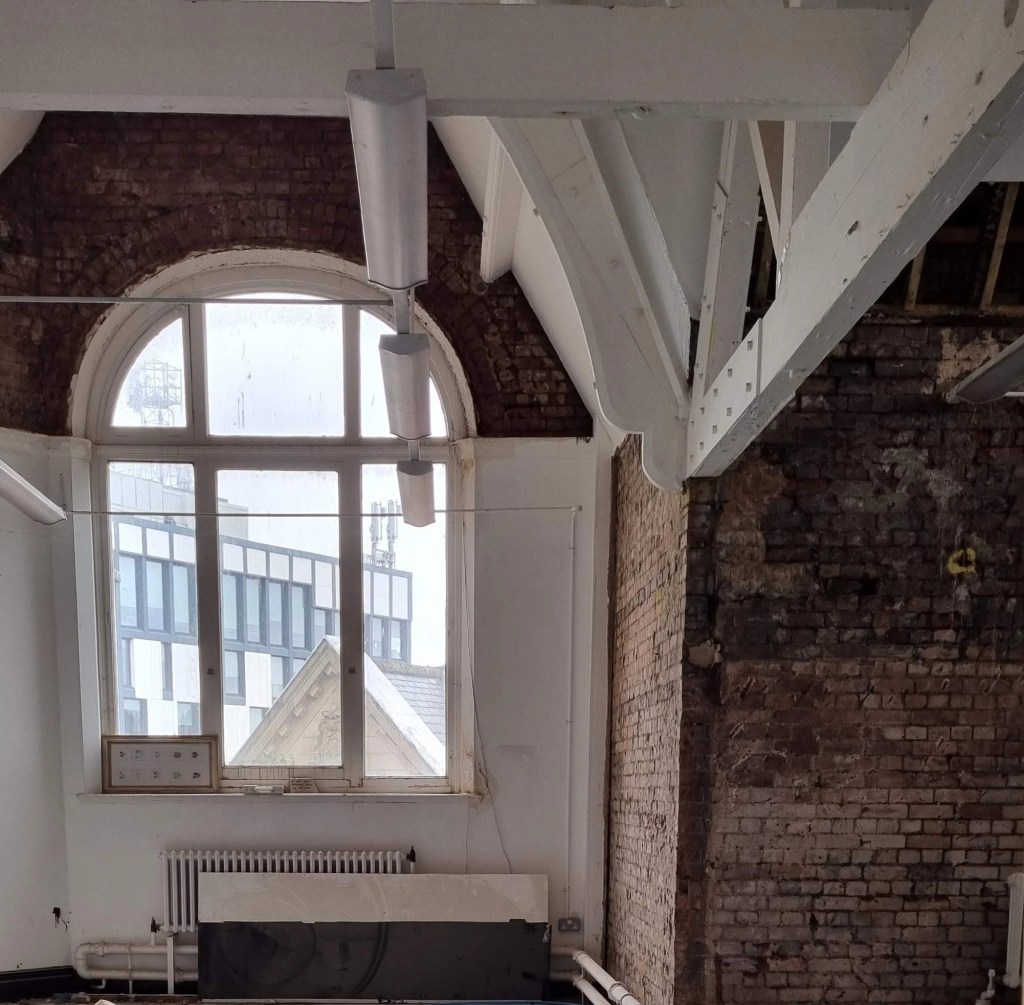
Maisie Pritchard
Maisie Pritchard and Daisy, the practicer, were the leading artist of this workshop. Masie is a 3D artist, and her practice explores the junction between artistic production and functional design, thereby generating semi-functional sculptural artworks. Maisie operates within this grey area, intending to produce objects that exist in their social sphere.
Maisie studied Art, BA Fine Art at the Manchester School of Art and Foundation Arts & Design at Nottingham College. Maisie’s contemporary work connects to public spaces, which is the link I would like to discover in my work.
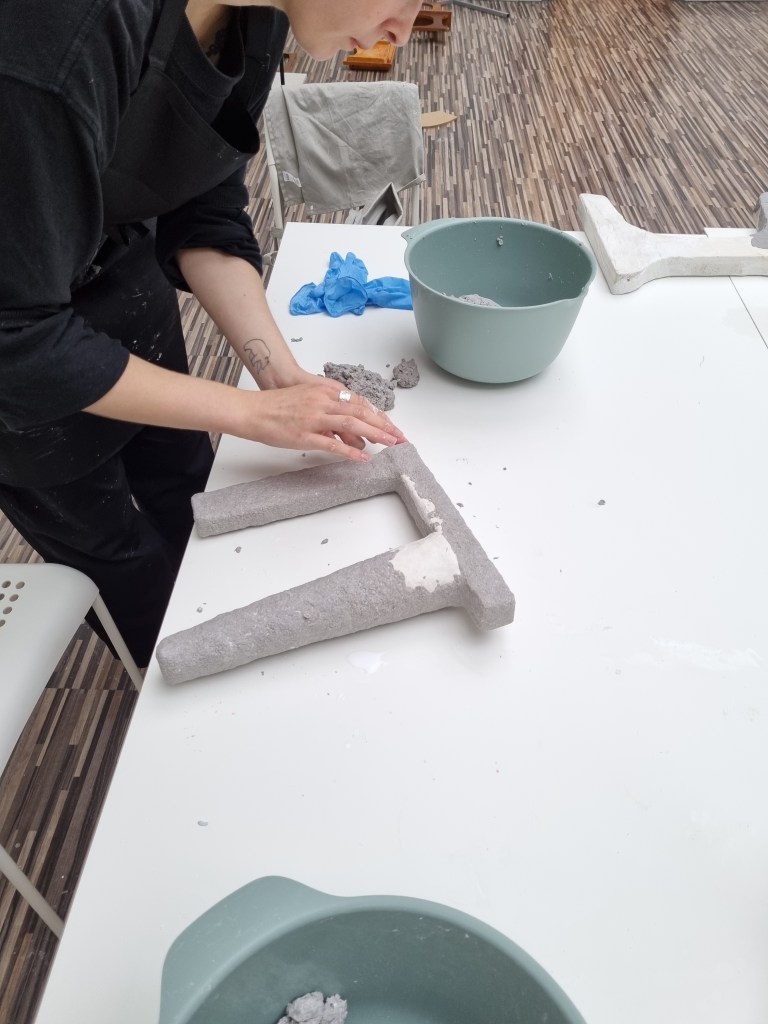
The workshop was delightful and productive. First, we picked an object that interested us or stood out for us individually. I had a ball of water and Modrock to cover my chosen part. Next, we sanded down the objects and covered the surface with a white Modrock – Plaster of Paris which we wetted before applying.
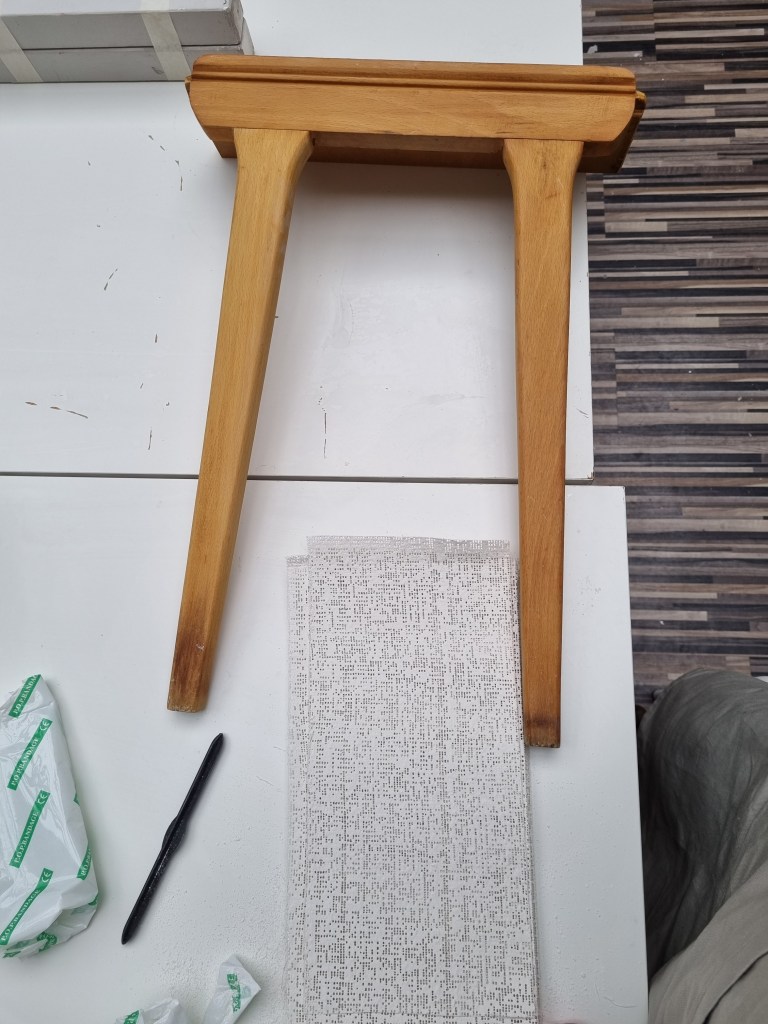
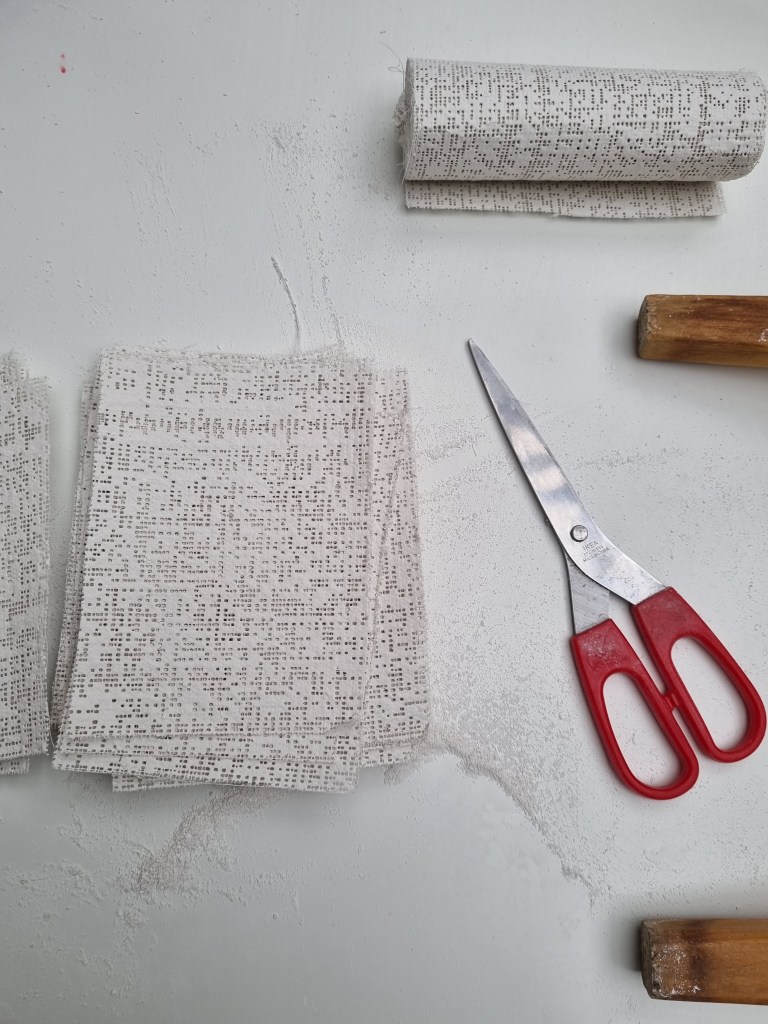
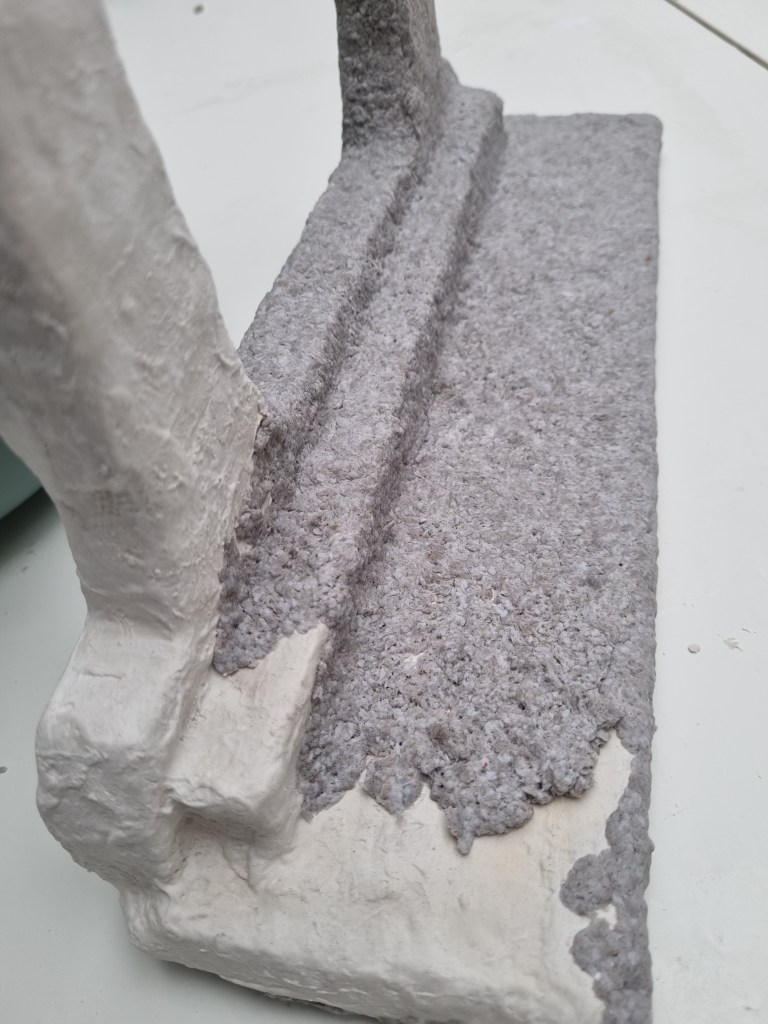
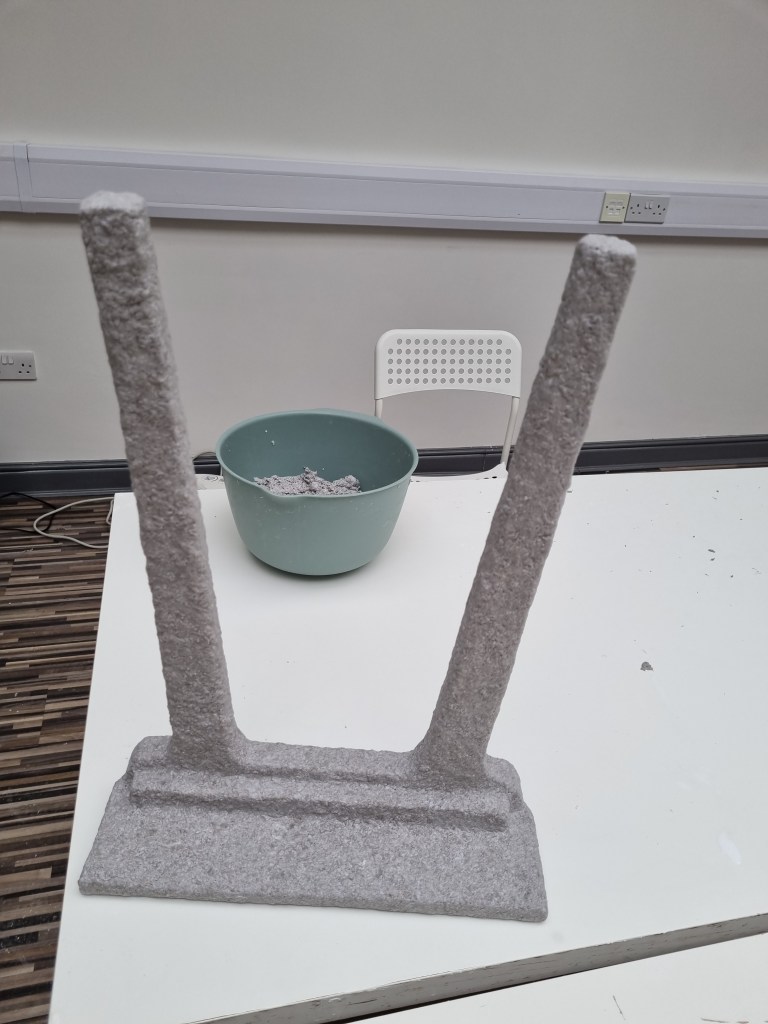
While waiting for the Modrock to dry, we made a mixture of paper clay that contained shredded paper, PVA, salt, plain flour, water, and a Fine Filler for walls and woodwork. The combination was a stodgy consistency and a cement-looking appearance.
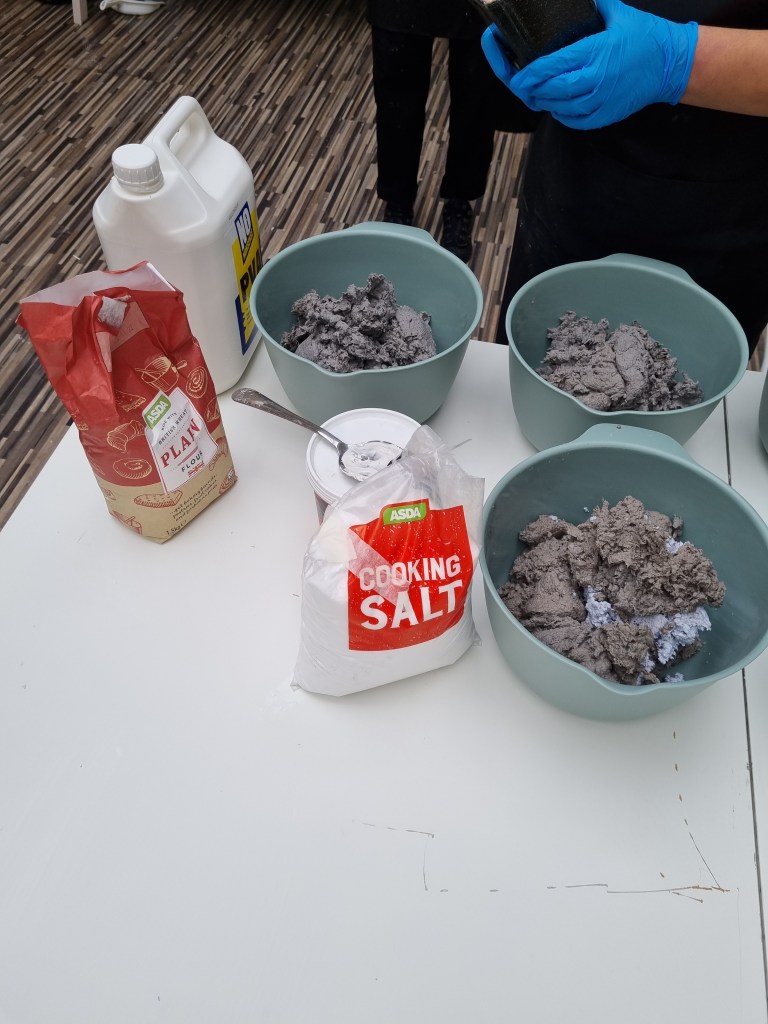
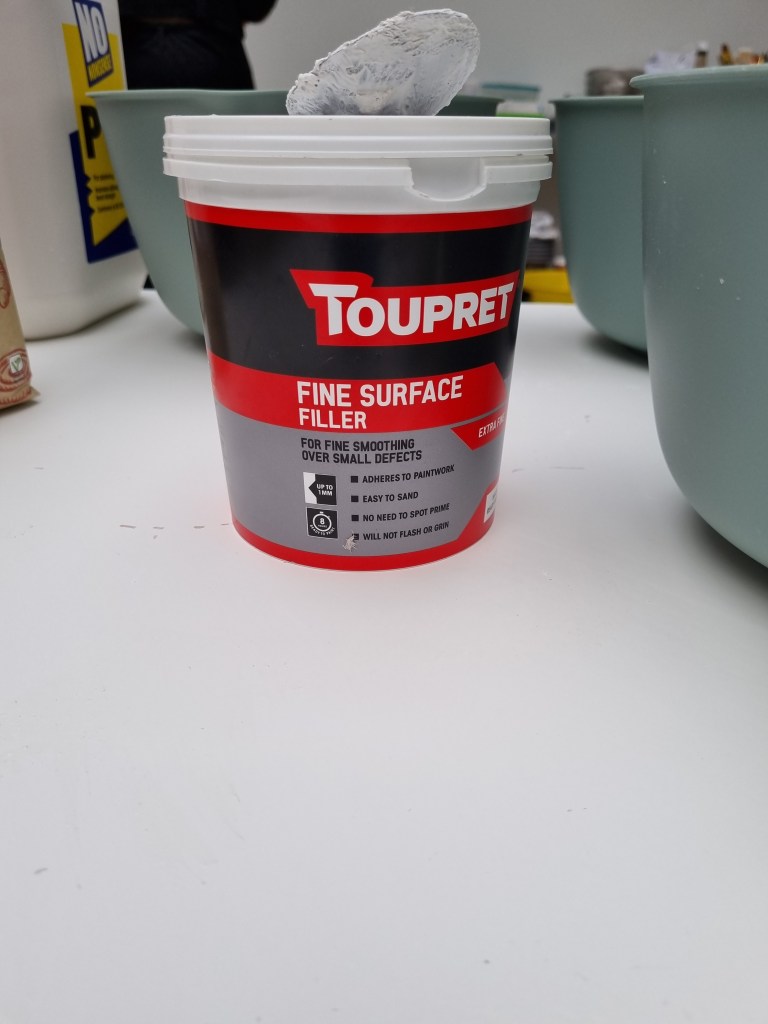
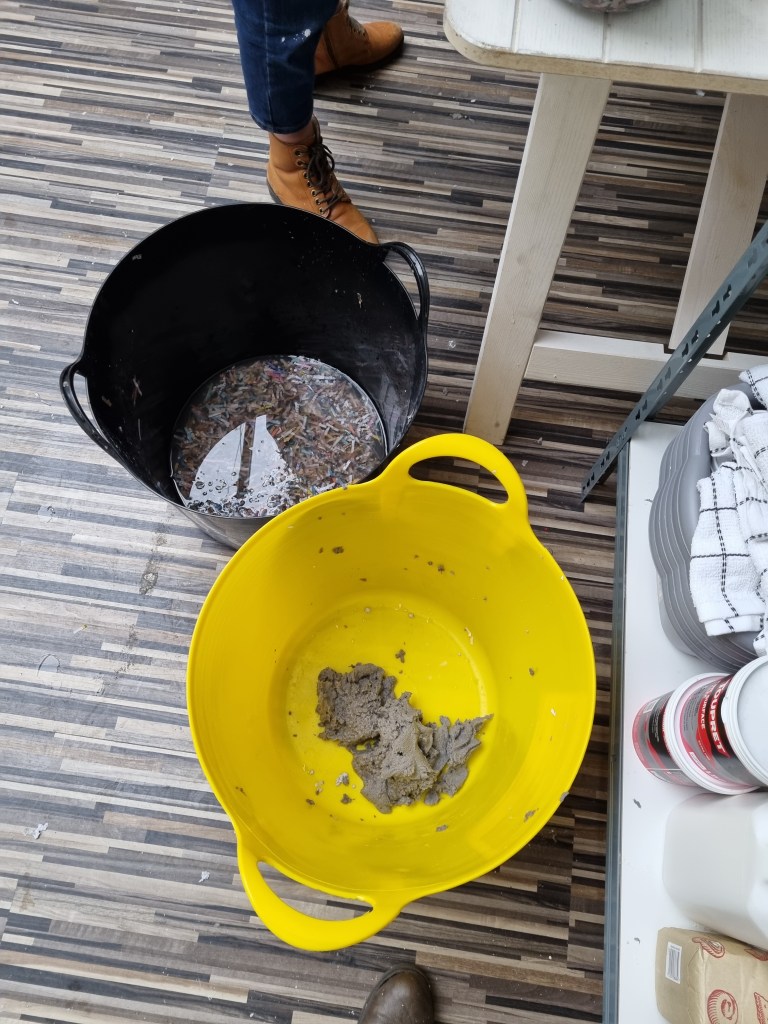
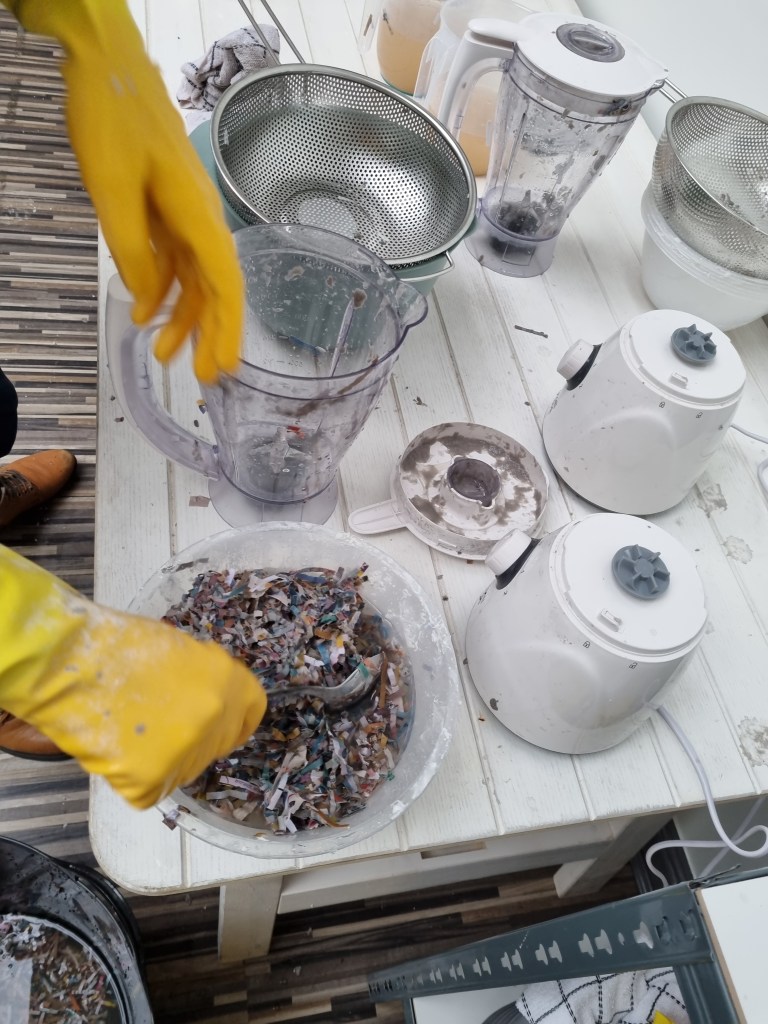
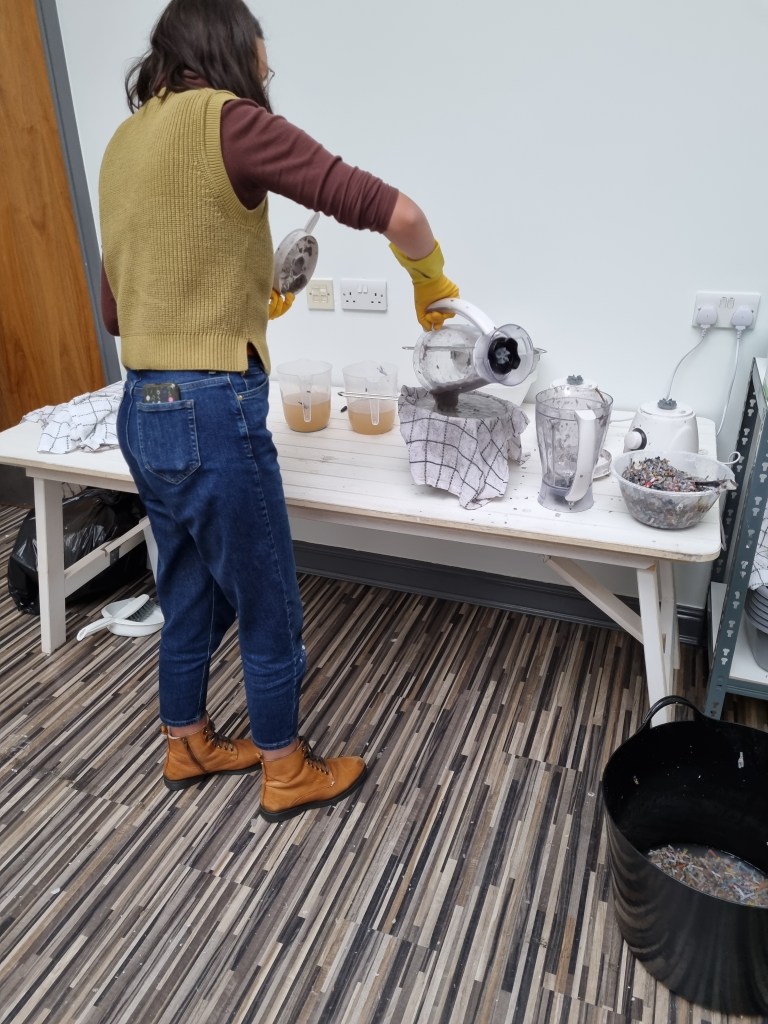
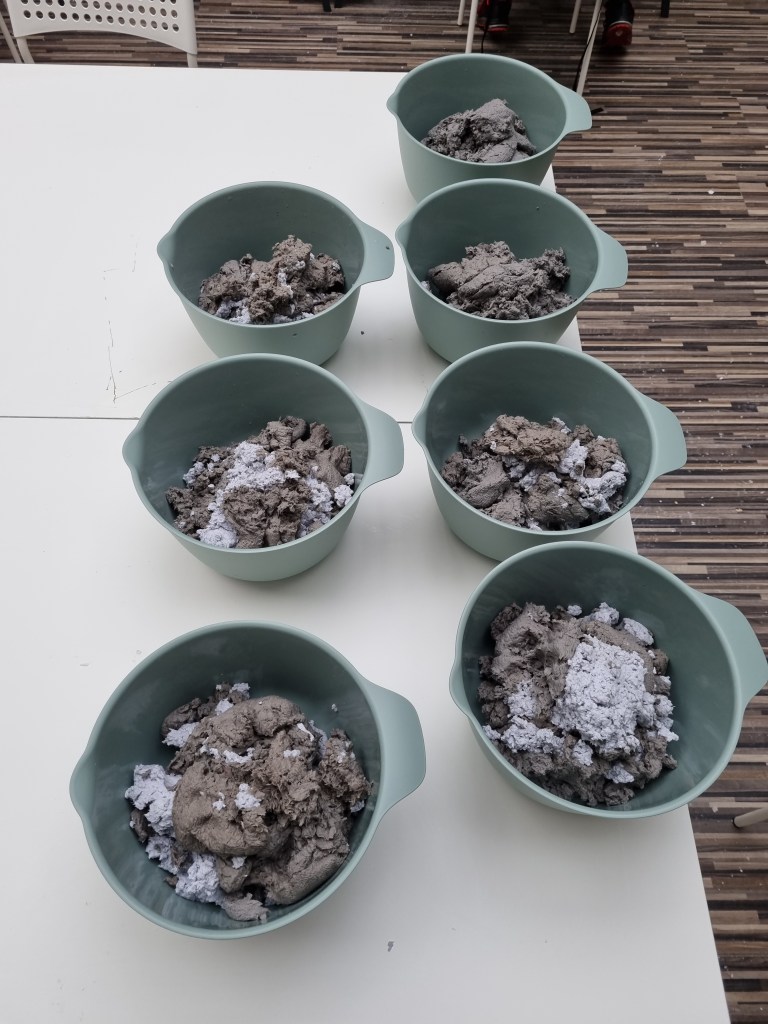
We applied the mixture to the objects covered with the Modrock evenly and in a thin layer. The layer needed to be approximately 0.5 cm thick without gaps between joints. The whole process was enjoyable and rewarding.
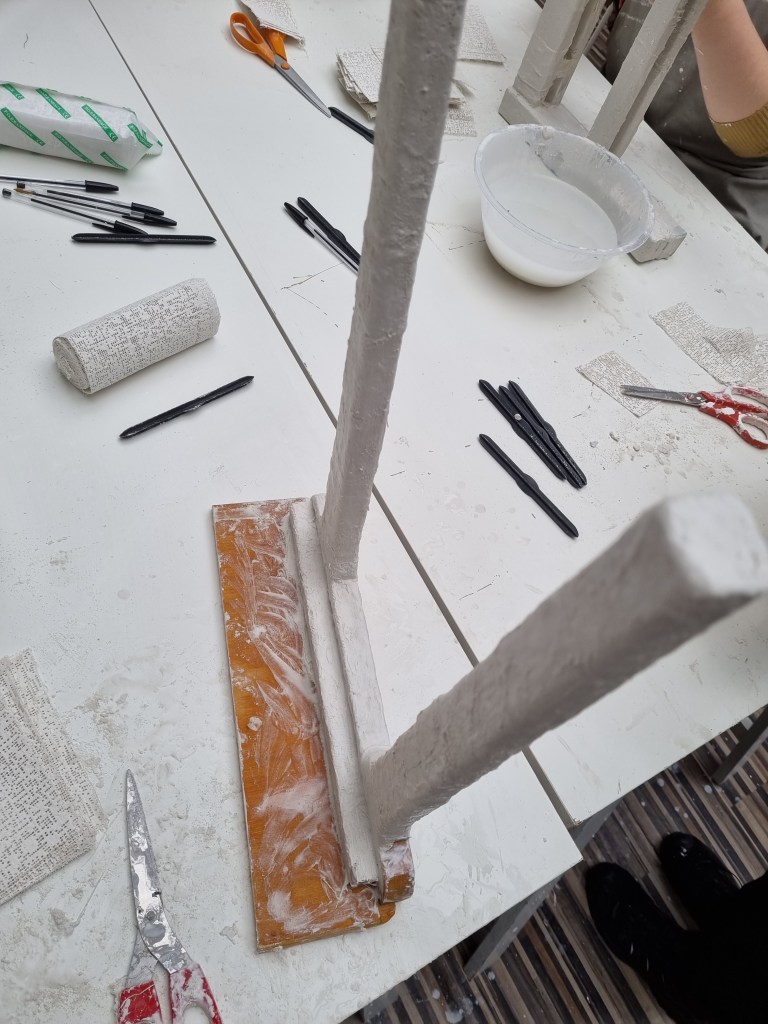
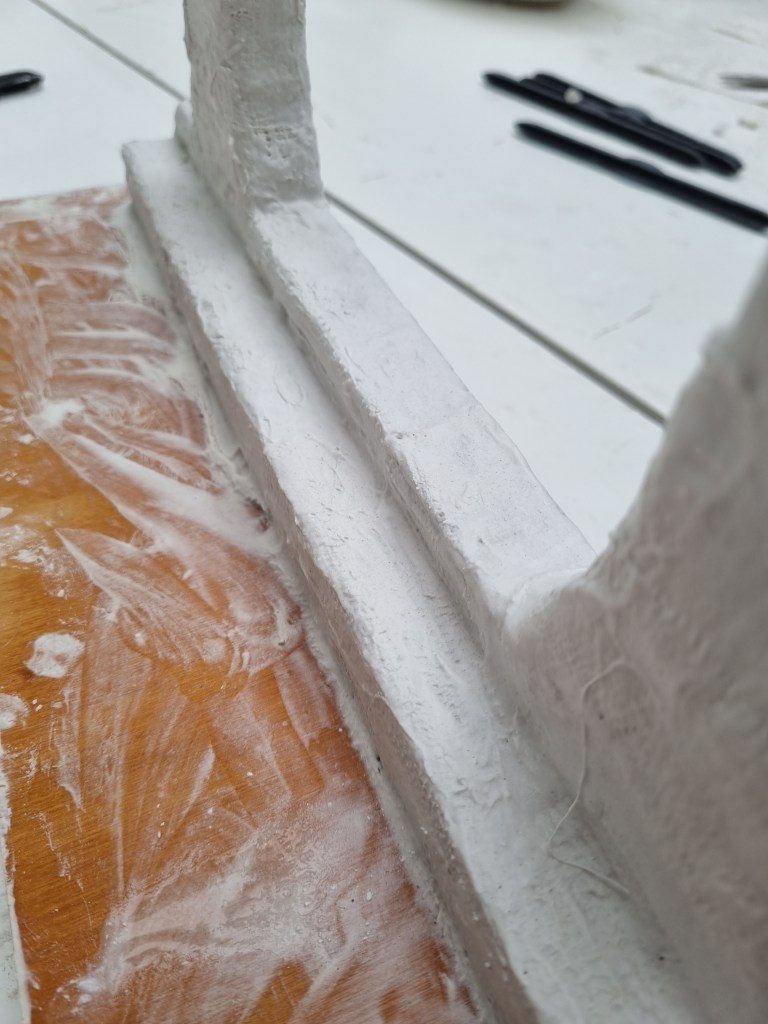
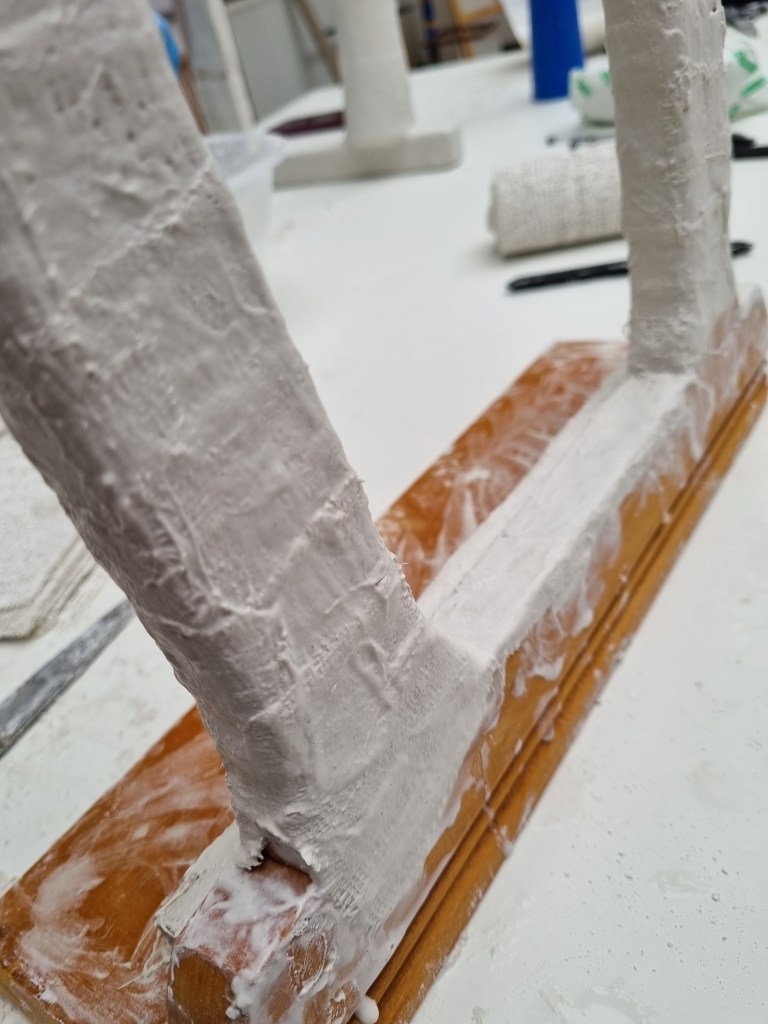
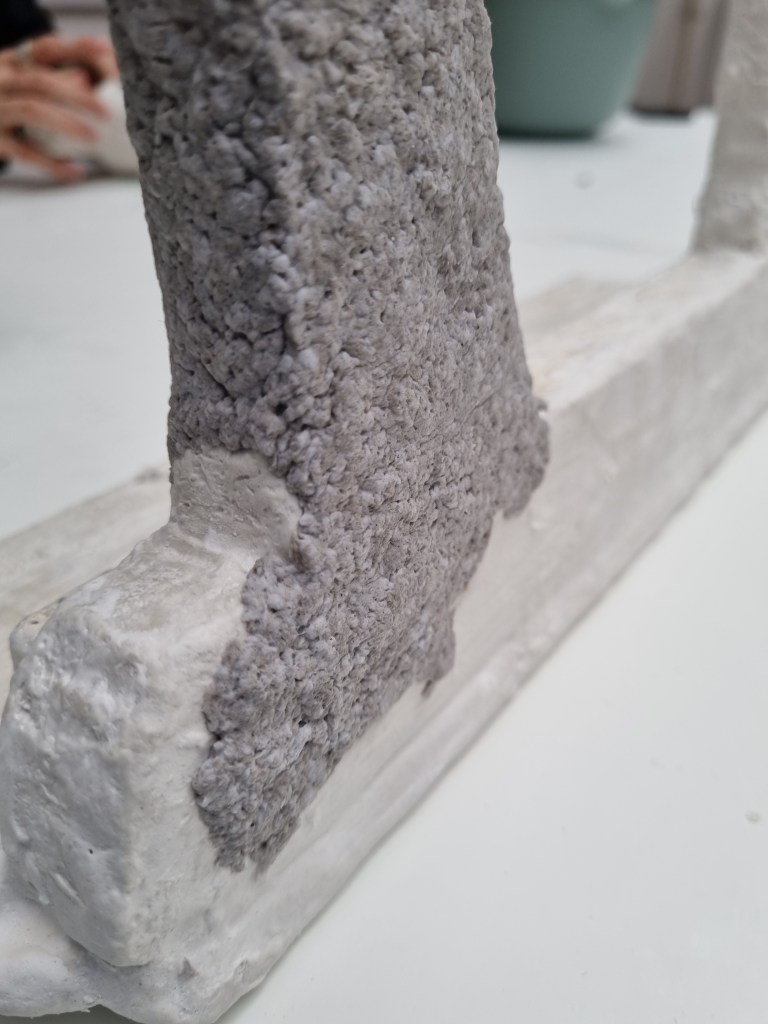
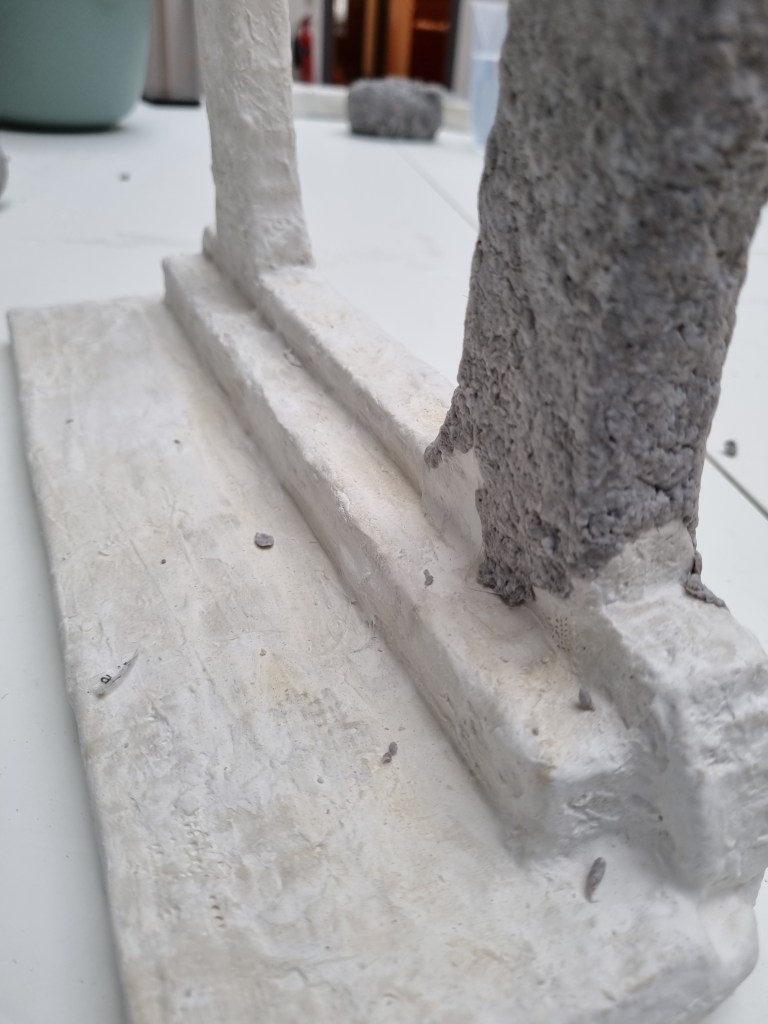
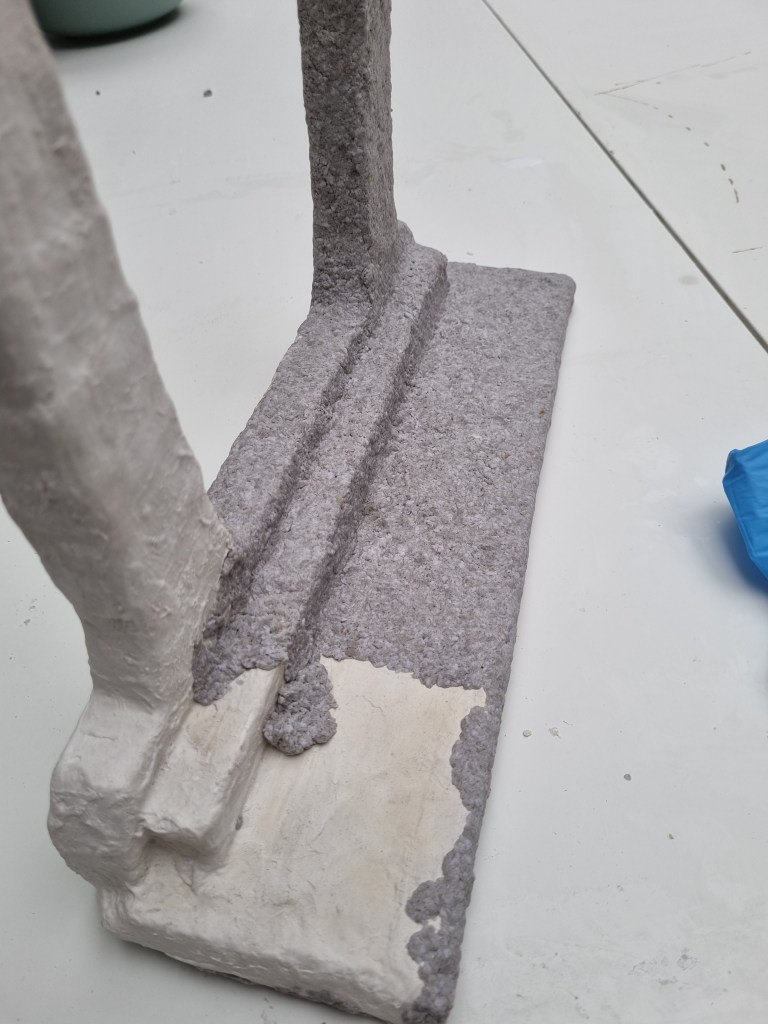
Once the object was covered and dry, we could paint them with vibrant acrylic paints, and the finished objects were displayed in an exhibition named “Assembly”. I like the project’s context, sustainability and public involvement.


The Exhibition “Assembly”
Assembly was a new sculptural work by Maisie Pritchard, public workshop participants and Blackburn College students studying Creative Arts and Design courses. Together they created an ‘assembly’ of sculptural objects to form a bold and tactile ever-changing exhibition.
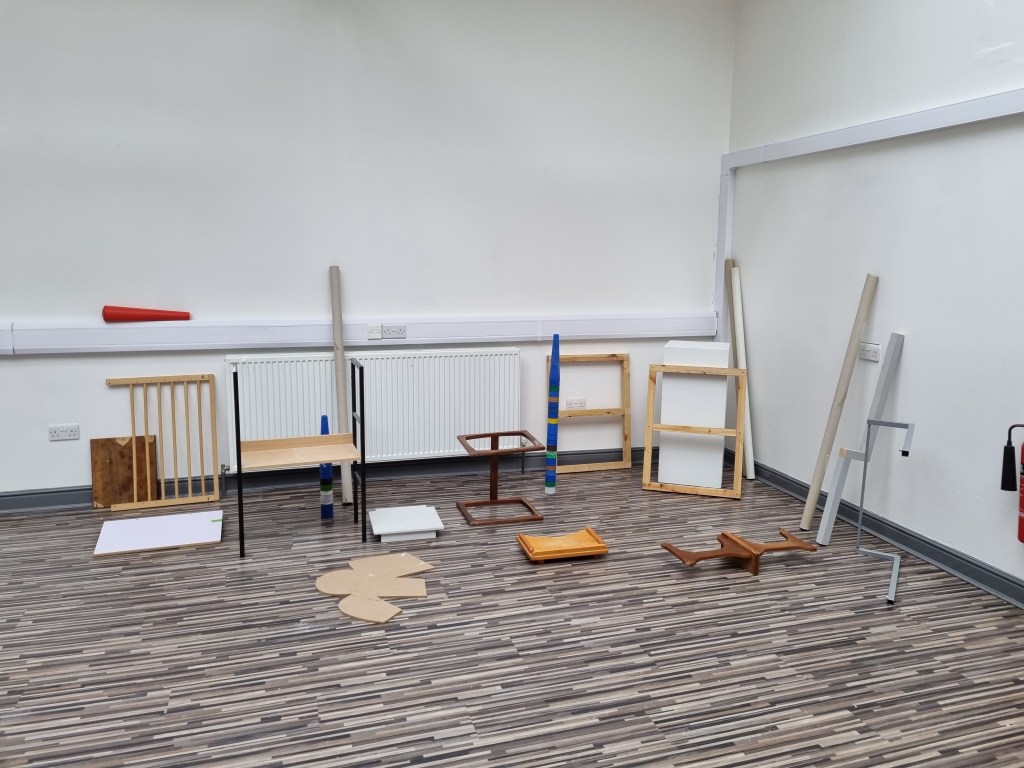
Commercing at the National Festival of Making in June, Assembly is a collaborative making project that began in a vacant room of the former Lewis Textile Museum. Here Maisie kick-started an accumulation of sculptural work that explores the properties of paper clay and how it can be applied to existing shapes and objects. The space operated as an open studio inhabited by paper waste, furniture parts, and artworks at various stages of Maisie’s making process.


The public was invited to occupy the space, observe her work, and participate in the different stages of paper clay making. Public involvement at the exhibition is the element I want to incorporate into my work, and I am intrigued by the work that was displayed at the beginning and during the changes. The impact of the public reflects on the overall view.
During a series of workshops in October, participants learnt how to transform waste into quick sculpture by applying paper clay. By collecting various recyclables, Maisie has established an eco-conscious-making process of pulping egg boxes, cardboard, and paper packaging into paper clay form. Participants, including myself, used this method in the workshop to practice new ways of sculpture-making.


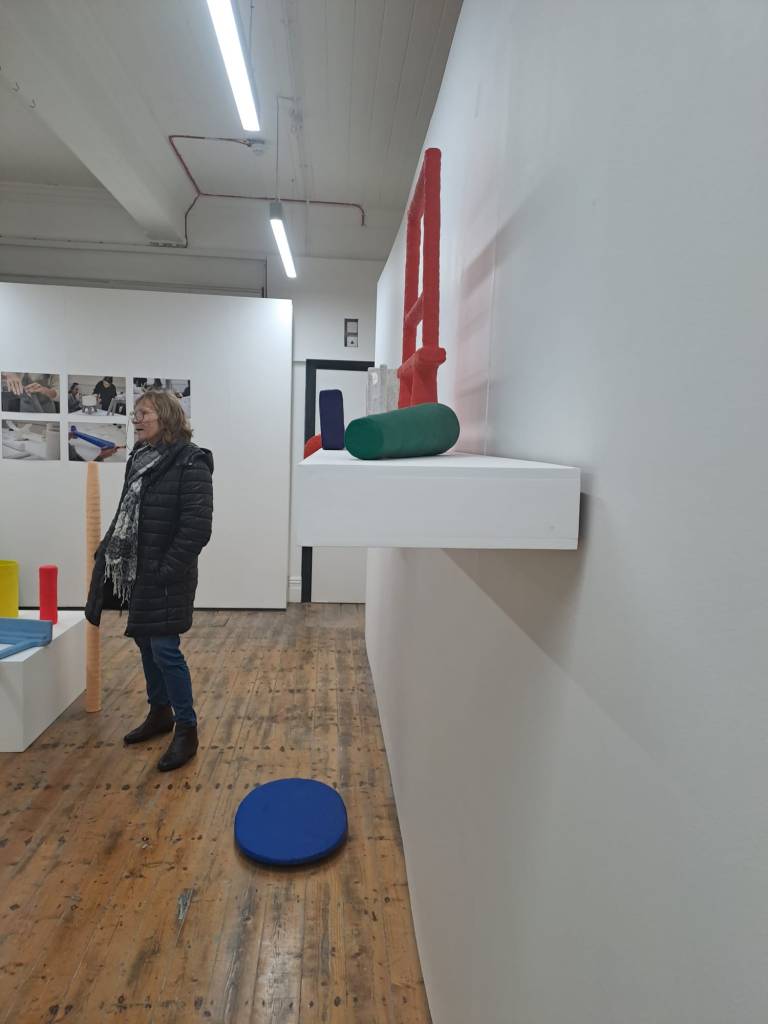
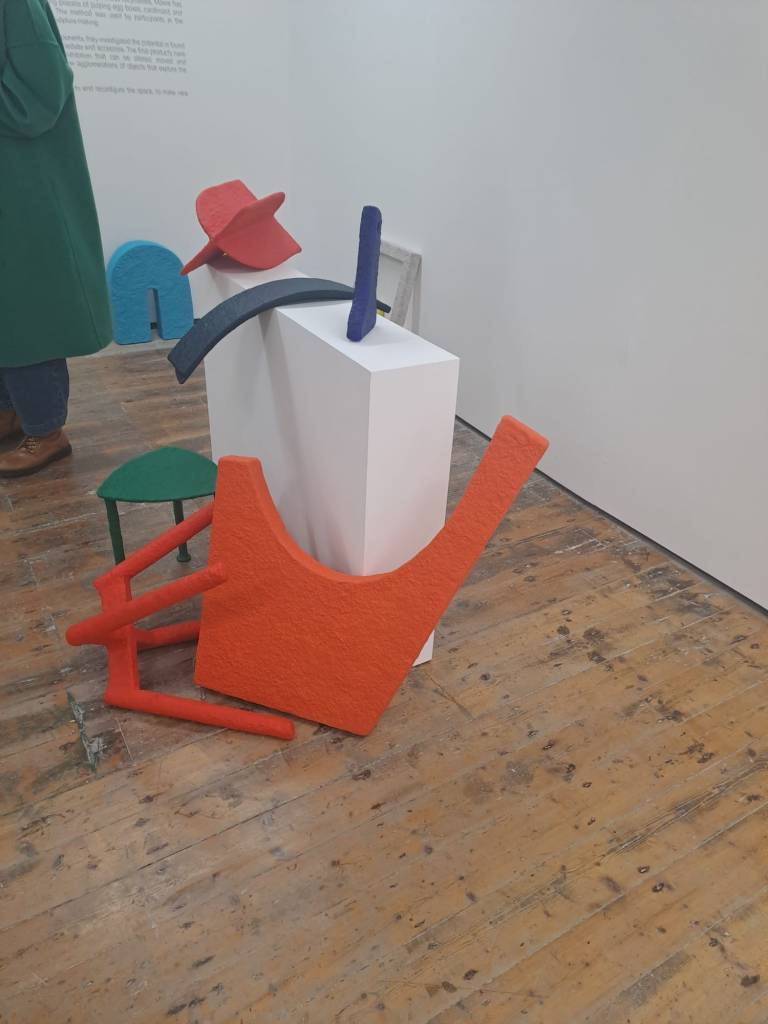
Utilising broken parts, pieces and components, they investigated the potential of found objects to create artworks that are immediate and accessible. The final products have been assembled as an interactive exhibition with possibilities that the public has changed, moved and reconfigured to create a new agglomeration of objects that explore the coalescence of art and design. The public was invited to pick up objects and reconfigure the space to make new assemblies which made the people involved in the making decision to display the pieces.
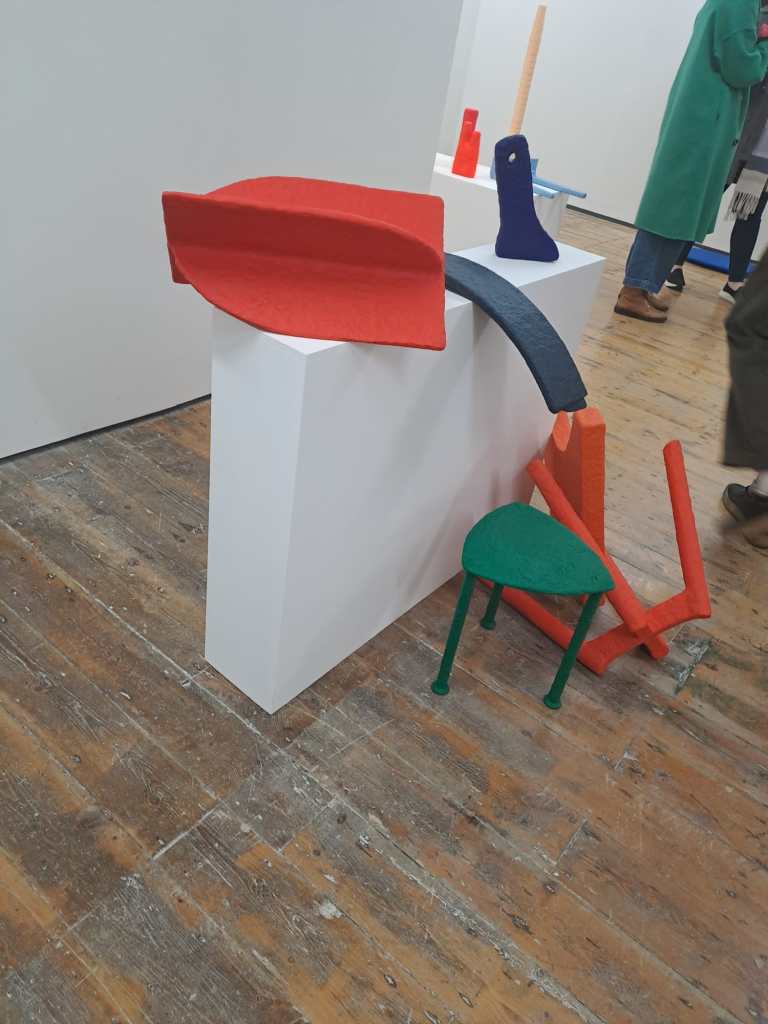


The public’s involvement made the exhibition interactive and more experiential. The experience and involvement during an exhibition is the element that I would like to include in my show. In addition, the presentation benefited me in considering the settings of the pieces and the overall display.
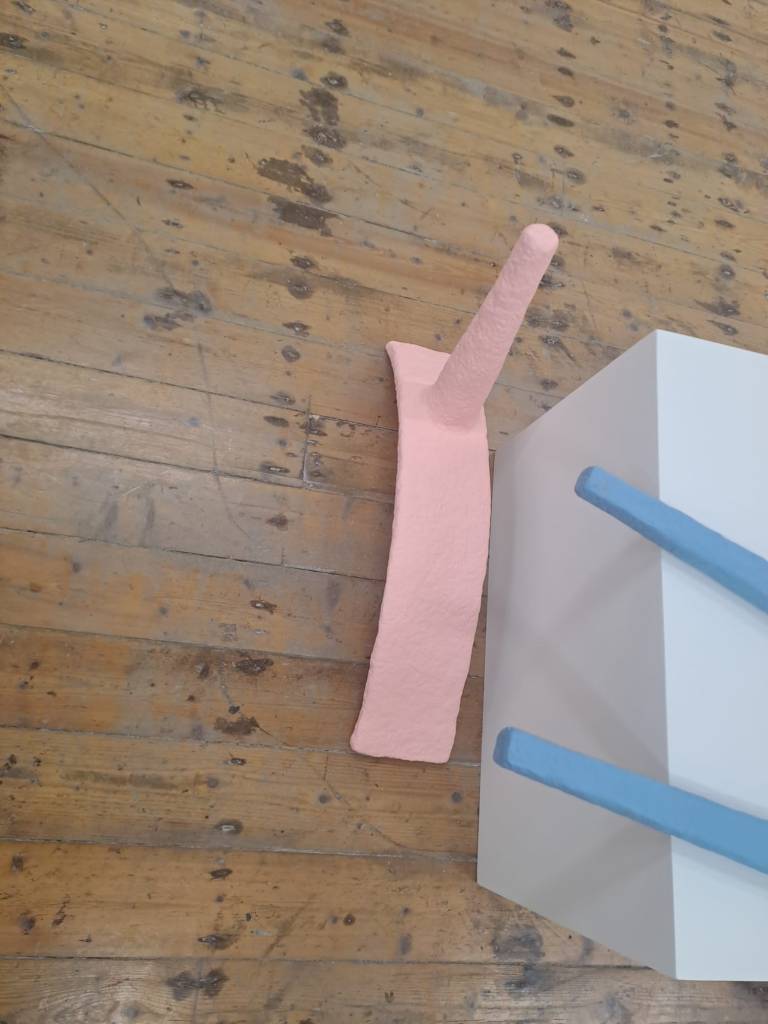
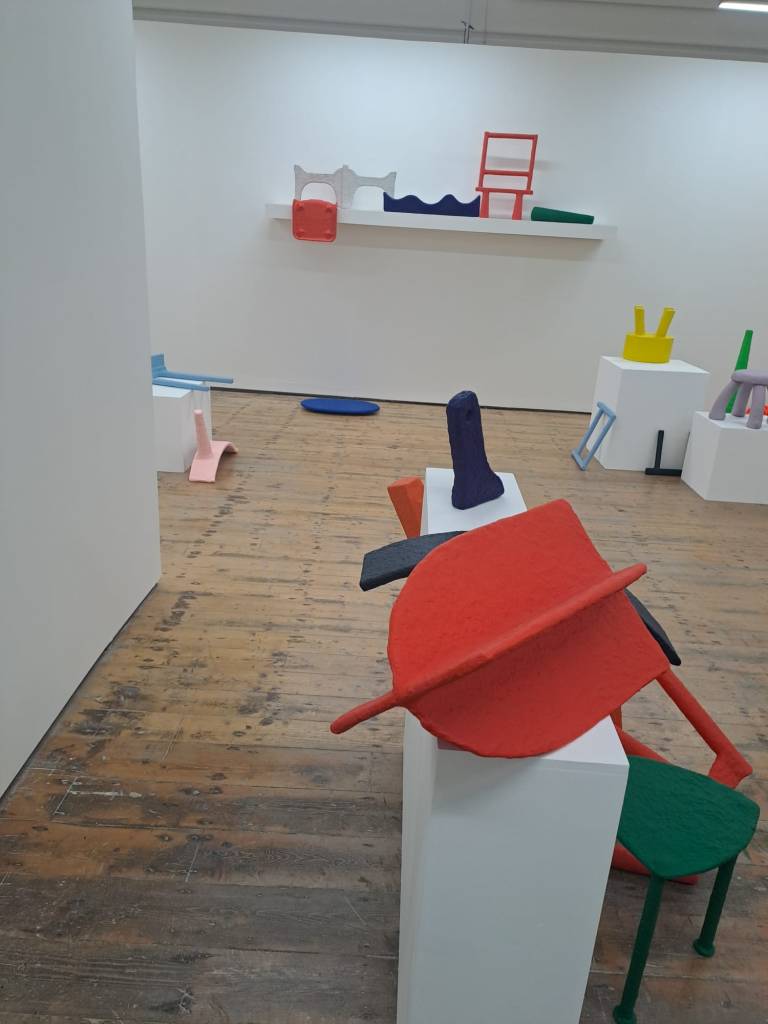
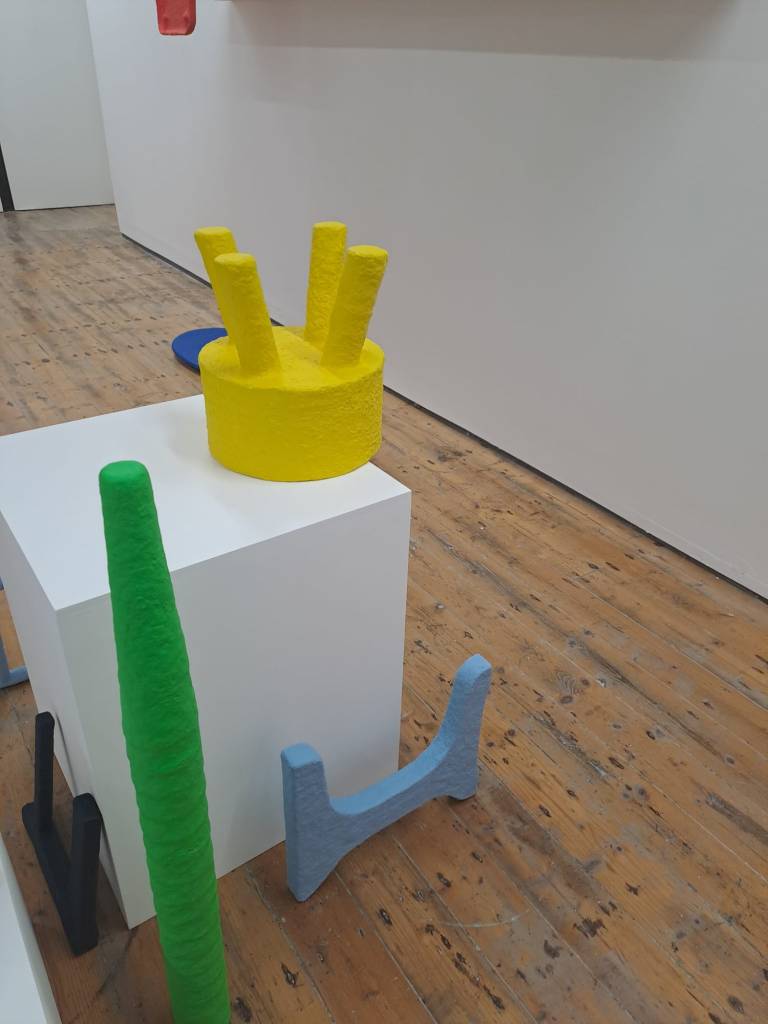
The lighting gave the space a lot of light. However, the walls painted white made the room brighter and optically spacious. In addition, the individual pieces painted in bright colours gave the overall exhibition strong contrast and volume to the context.
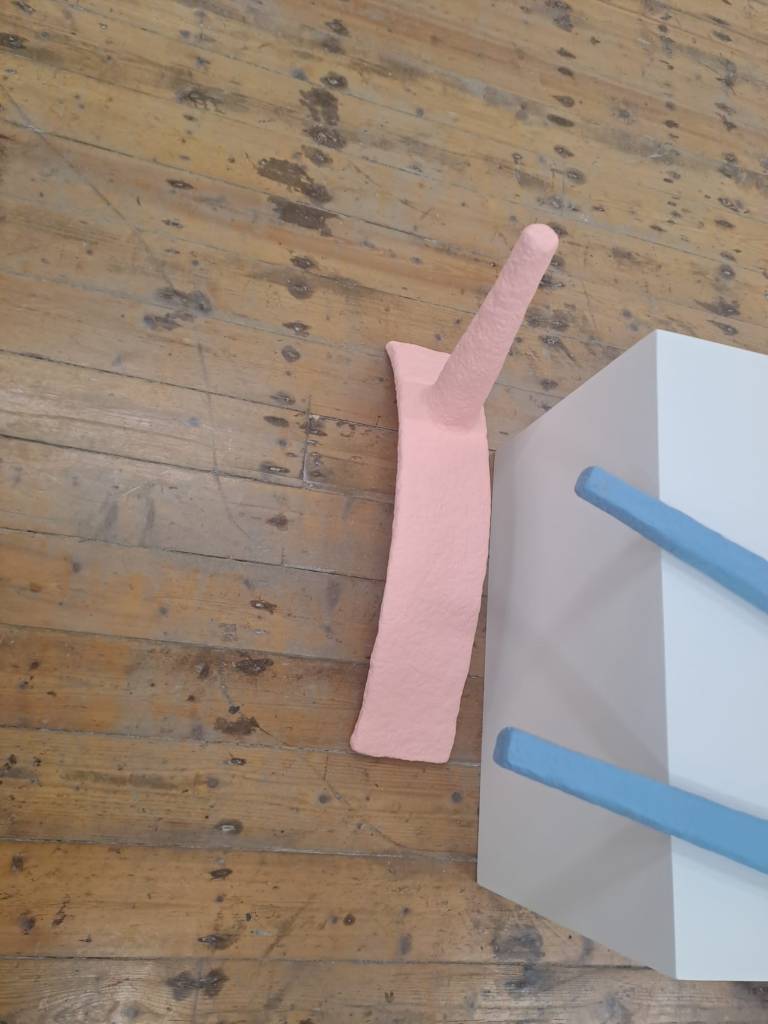
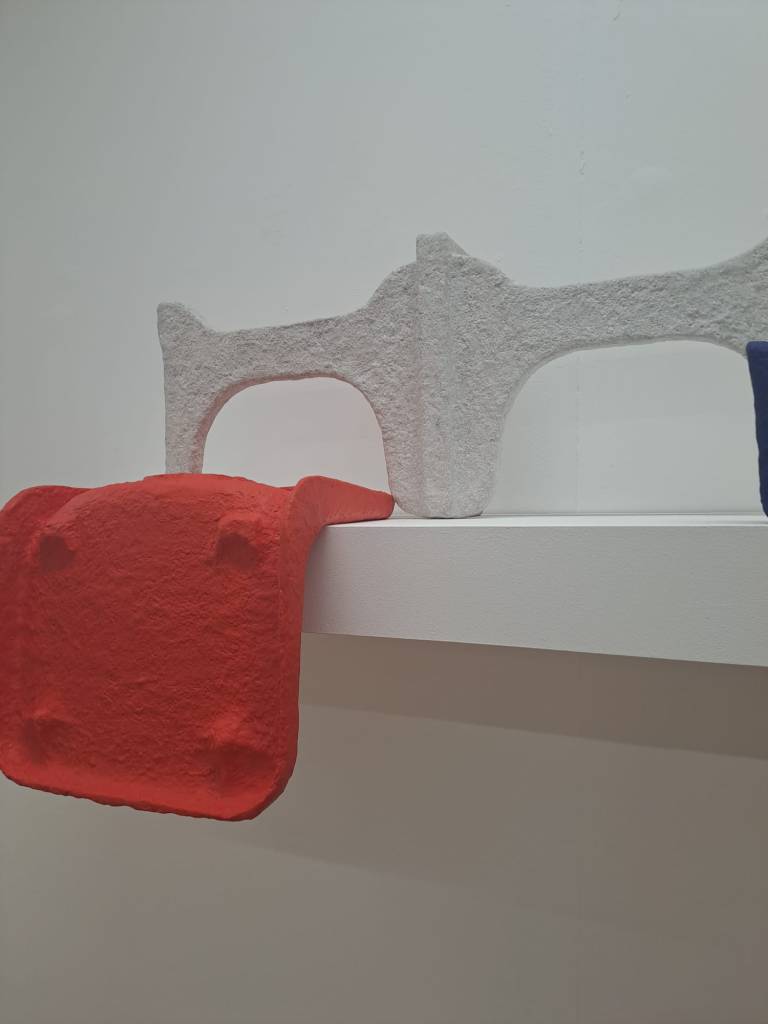

Some displayed objects were placed under an artificial light that cast a pleasant shade on the wall. My overall reflection on the exhibition is very positive as I am attracted to the public involvement that gave the display a contemporary and human feeling.

 Milena (Filipova) Smith BA (Hons) Fine Art 2022/2023
Leave a comment