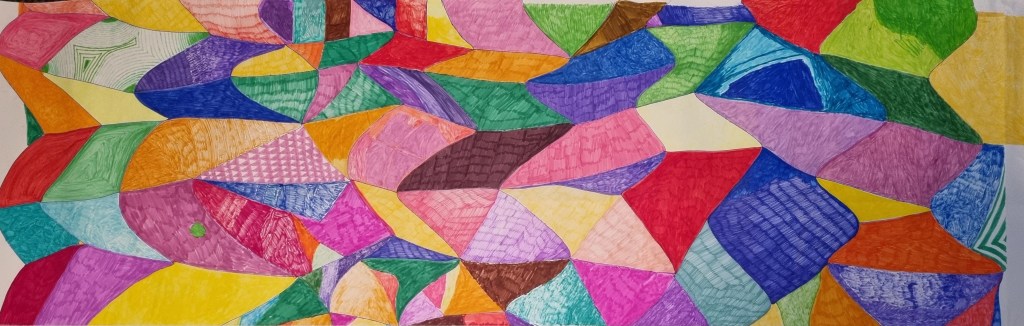
After I finish my degree, I want to enrol for a course called NCFE CACHE Level 3 Diploma in Counselling Skills at Blackburn College in September 2023. This course should help me decide which direction to concentrate on for further studies. Initially, I wanted to study Art Therapy straight after my degree. However, it would mean extending the student loan and more time at University. Nevertheless, I thoroughly enjoyed the course (apart from the deadlines), especially the knowledge and skills I have gained over those years.
On the other hand, a counselling diploma is a good start. It could expand my understanding of psychological and psychotherapeutic theory and research. However, I am still undecided about further studies. The diploma will offer me insightful perspectives and help me decide if I should sign up for another study in Art Therapy. My professional practice began last year when I started to work for a company called ‘Creative Support’, whose mission is to promote the independence, inclusion and well-being of people with support needs. I support people who need help, their families and partner agencies to develop and deliver high-quality services. That meets individual needs and aspirations in a person-centred way. Creative Support aims to provide added value to our purchasers and contribute to communities by using our resources efficiently, flexibly, and creatively.
Creative Support is recognised as one of England’s largest national not-for-profit providers of prevention and care services. The company is located in over 60 authorities across the North West, North East, Yorkshire & Humberside, the Midlands, London and the South East.
Over the last 12 months, they have supported 7,000 people with care and support needs to achieve their goals, grow in independence and take control over their lives. A further 1,400 tenants have benefitted from high-quality housing with Support.
Creative Support is renowned for being dynamic, enterprising, and customer-focused and finding innovative ways to deliver services.
Range of Services
Creative Support currently provides person-centred services for people with a learning disability, autism and mental health needs. The company also supports people with physical disabilities and older people with care and support needs, including people living with dementia. Our services include supported living, residential care, community support, respite services and domiciliary care. Creative Support is also a significant provider of supported housing. In addition, the company provides quality accommodation schemes, many of which have been adapted to individual needs.
The supported living services offered for people with a learning disability are recognised for enabling people to enjoy fulfilling lives. There are developed services for people with complex needs under the Transforming Care policy agenda. The service provides creative day opportunities which enable personal development, social inclusion and pathways into work. In addition, individually tailored support is offered for people with autistic spectrum conditions and physical disabilities.
The supported housing and outreach services for people with mental health needs have a strong reputation for promoting recovery and rehabilitation and empowering service users to move on to greater independence. In addition, the extra care and community support services enable older people to retain their independence and enjoy a good quality of life.
The Philosophy of Creative Support
Creative Support is committed to a person-centred philosophy of service delivery, such as:
Promote rights, opportunity, choice and well-being.
Offer respect and unconditional positive regard to the supported people.
Provide personalised, compassionate care which protects the self-esteem, dignity and safety of the people who needs support.
Use an asset and strengths-based approach that builds upon service users’ abilities, resources, preferences and aspirations.
Provide active support, which promotes the skills and independence of individuals.
Be accountable and committed to providing high-quality, safe, evidence-based care and support which achieves a positive outcome.
Promote service user empowerment, involvement and co-production in all service design, delivery and evaluation aspects.
Facilitate meaningful activities, social opportunities and relationships, build social networks and encourage informal family and peer support, thereby reducing reliance on formal services.
Creating pathways toward education, training, volunteering, and paid employment enables people to enjoy a valued lifestyle, be active citizens and be fully included in their communities.
Deliver social value through partnership, engaging with communities and contributing to local social, environmental and economic strategies.
I applied for the Support Worker position at the beginning of March 2022. The management aspired to employ me to lead the Art Group for people.
The Art Group intends to connect the service users with creativity, such as art and craft and help them find a way to express themselves through artistic activities. My role is to arrange the venue, the equipment, and the course structure. First, I started to work on the platform. However, my colleague had already found a Geek Retreat place where we could use bright space. The venue has easy access to the washroom, which means water for painting and cleaning. There is disability access and enough room for a wheelchair manoeuvre. The environmental risk assessment is from the company that runs the business. The manager didn’t charge Creative Support for using the facilities, which was a great bonus. However, because of the country’s financial situation and worldwide, the management started to charge a fee or pay for refreshments for using the room, which was very beneficial. Unfortunately, I had to find a different venue because we needed more space at Geek Retreat. The group started to be bigger and, to some point, difficult to move around the tables. The room became to be overcrowded and unsafe for everyone.
The sessions are about discovering what the service users like doing or their interests. I wanted to avoid overpowering with technicalities such as perspectives or measurements. Instead, I started to ask people what they would like to do or what they wanted to try and never had the opportunity to do. I always intend to keep the group relaxed and fit the activity to the people’s individual aspirations. I am working around the particular needs of every person to promote a friendly approach. I welcome any ideas the service users come up with because the aim is to discover the interest or orientation of the person in the art field. Furthermore, regarding finding potential in the person, I needed to make the service users comfortable about drawing. Therefore, the sessions were about expressing anything they wanted to draw or came to their minds.
“M’s” Sessions
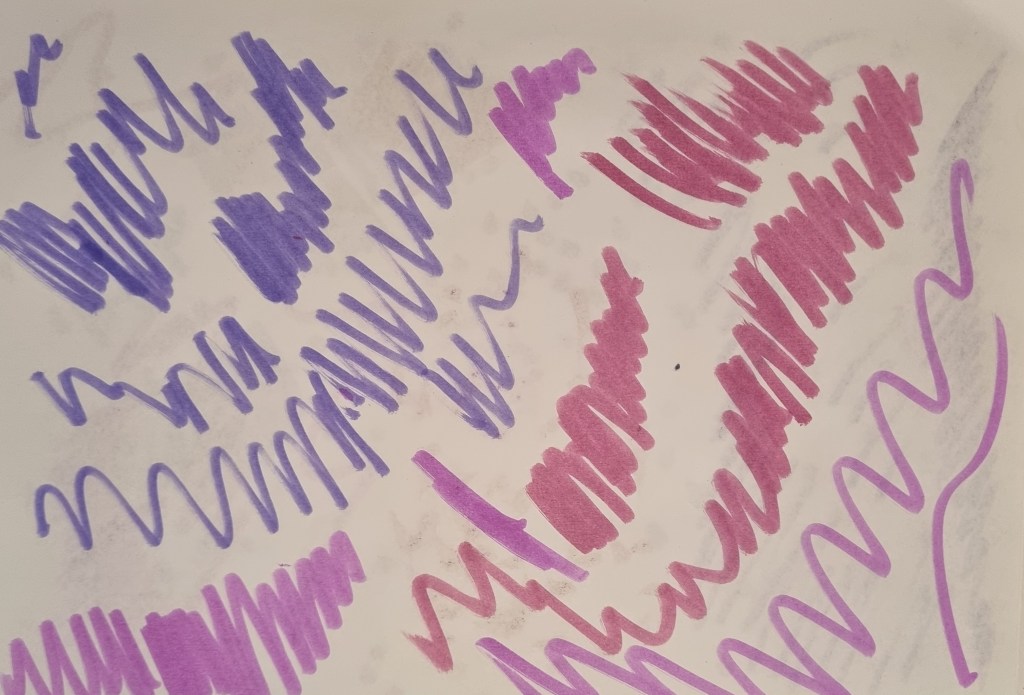
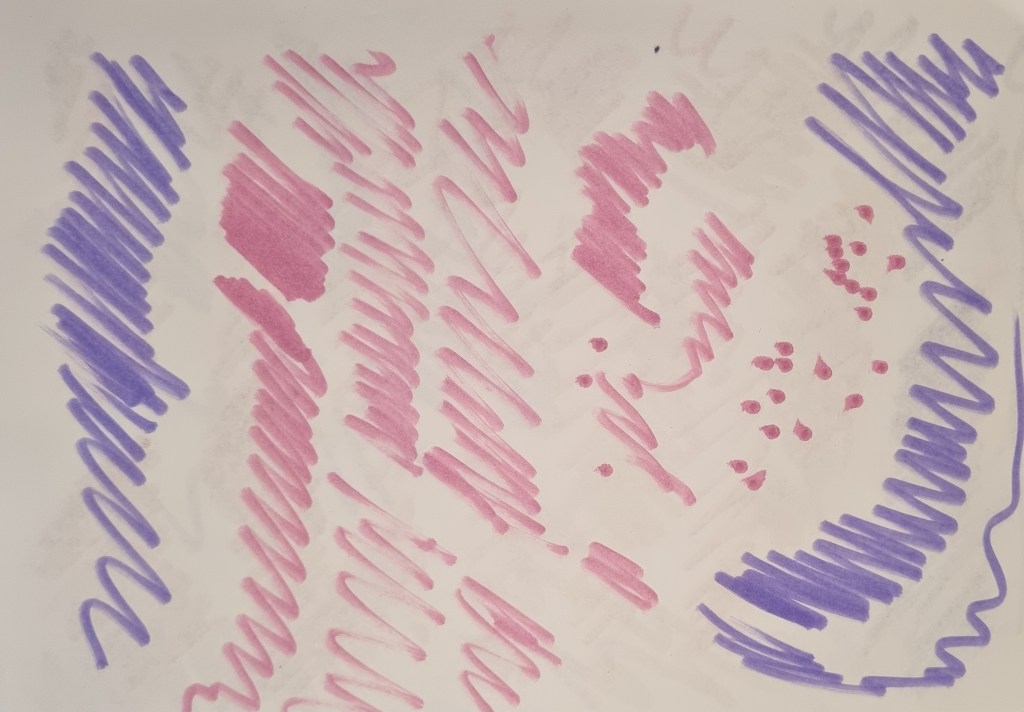
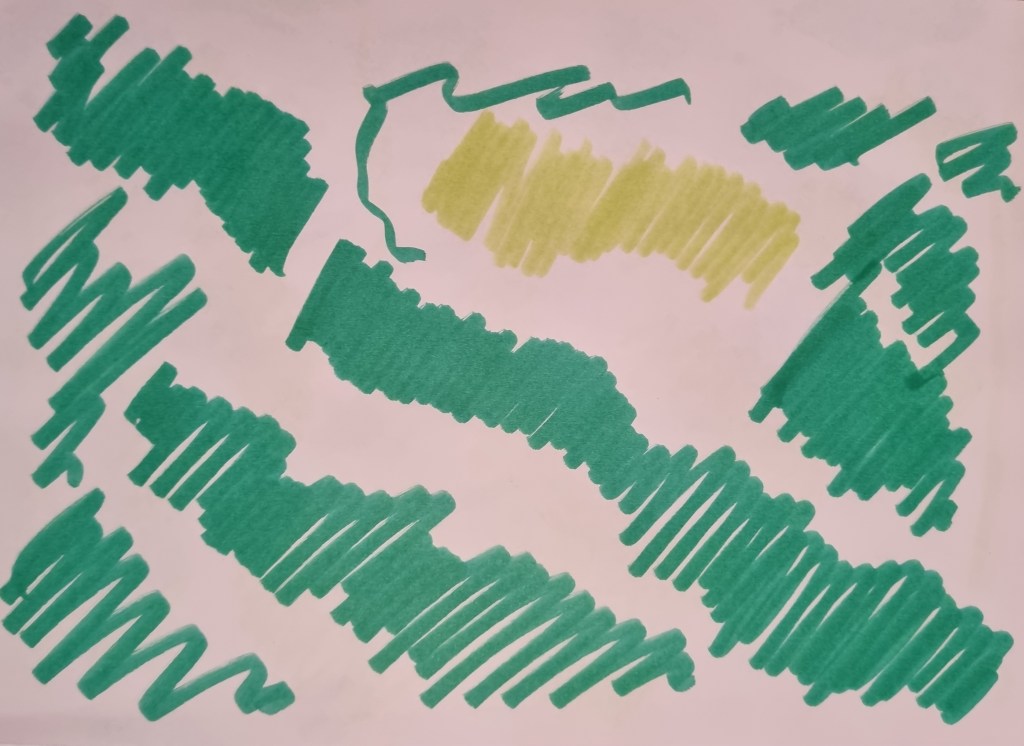
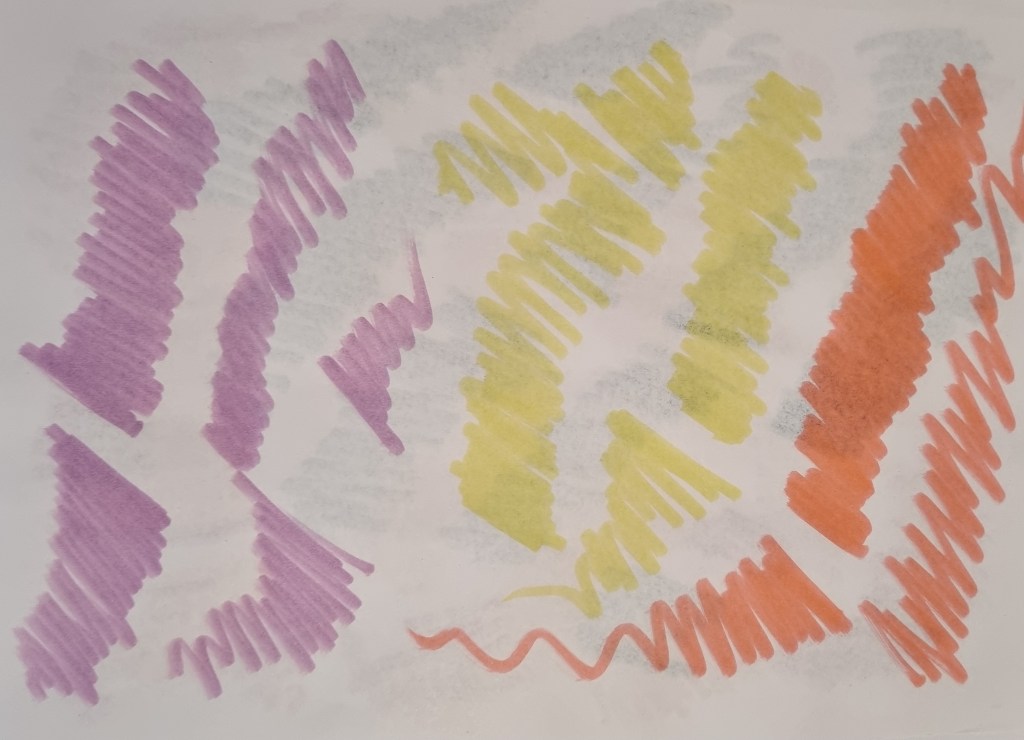
“M” is a service user who has autism. “M” didn’t want to draw something she could transfer by observation onto paper. So instead, “M” drew scribbles from her inner perception that unconsciously created a pattern without a particular intention to make one. Moreover, “M” also drew on the other side of the paper from her initiatives. However, I did not ask why ” M ” decided to fill the reverse side and draw the same direction as the front side. However, looking against the window, you can see a pattern that creates exciting marks, including the reverse side, giving the design more volume and subtle perception. What interests me is the unconscious decision about drawing on the reverse side, which made the direction lines balance the pattern by looking through to the light. I eventually asked “M” why is she drawing on the other side as well. The answer was simple, “M” just thought about sustainability and wanted to save the paper.
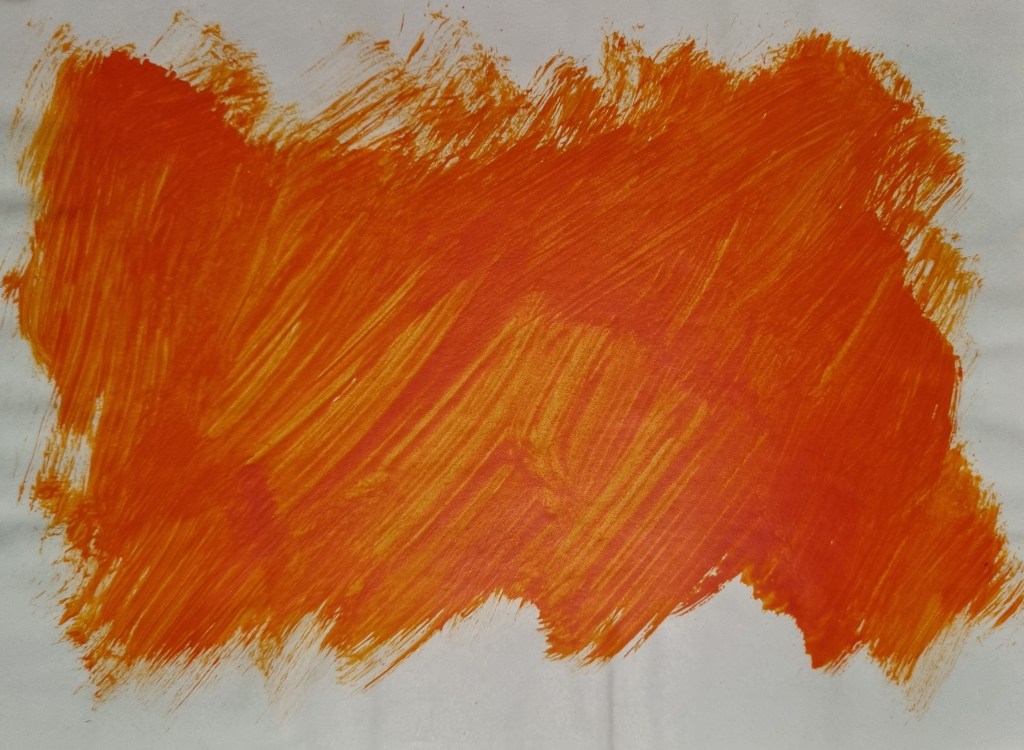
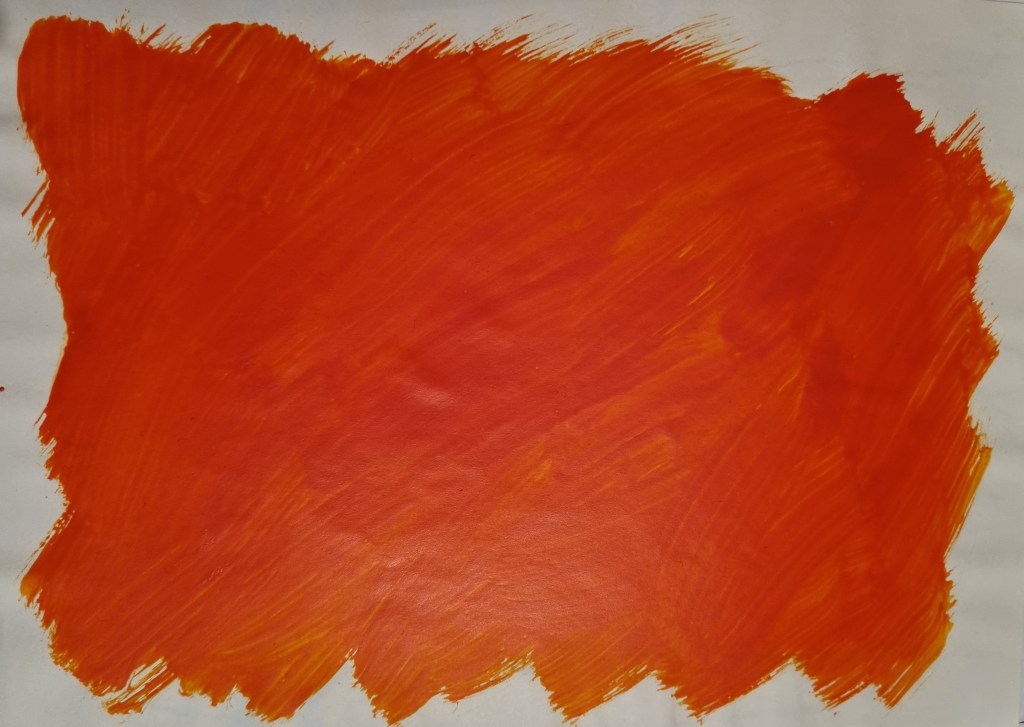
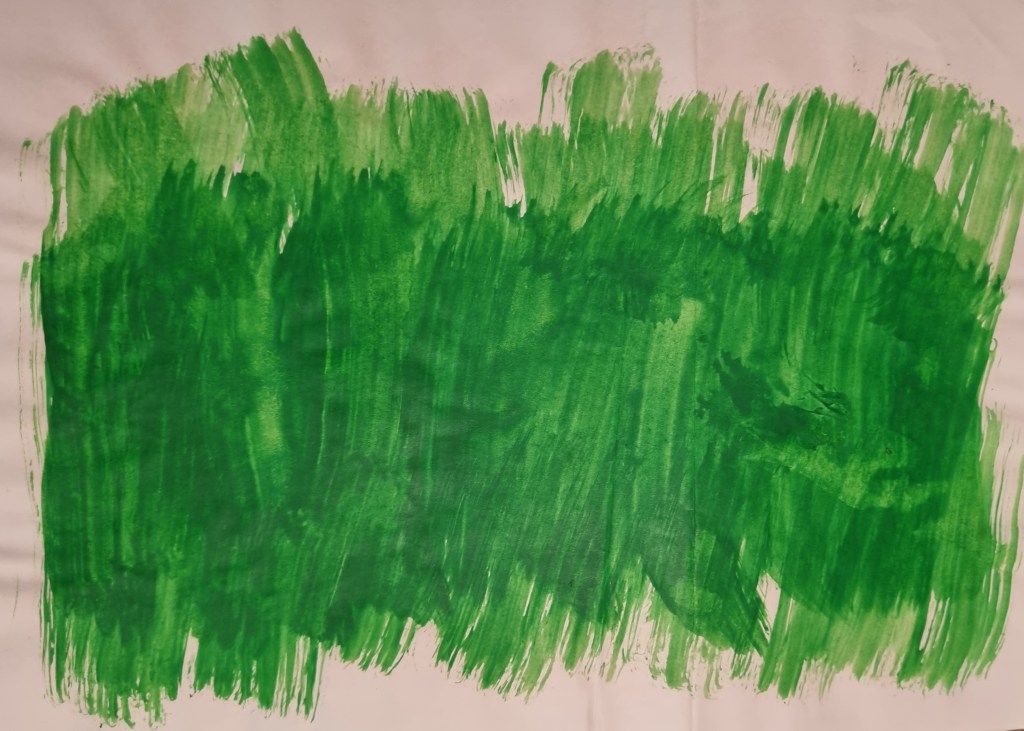
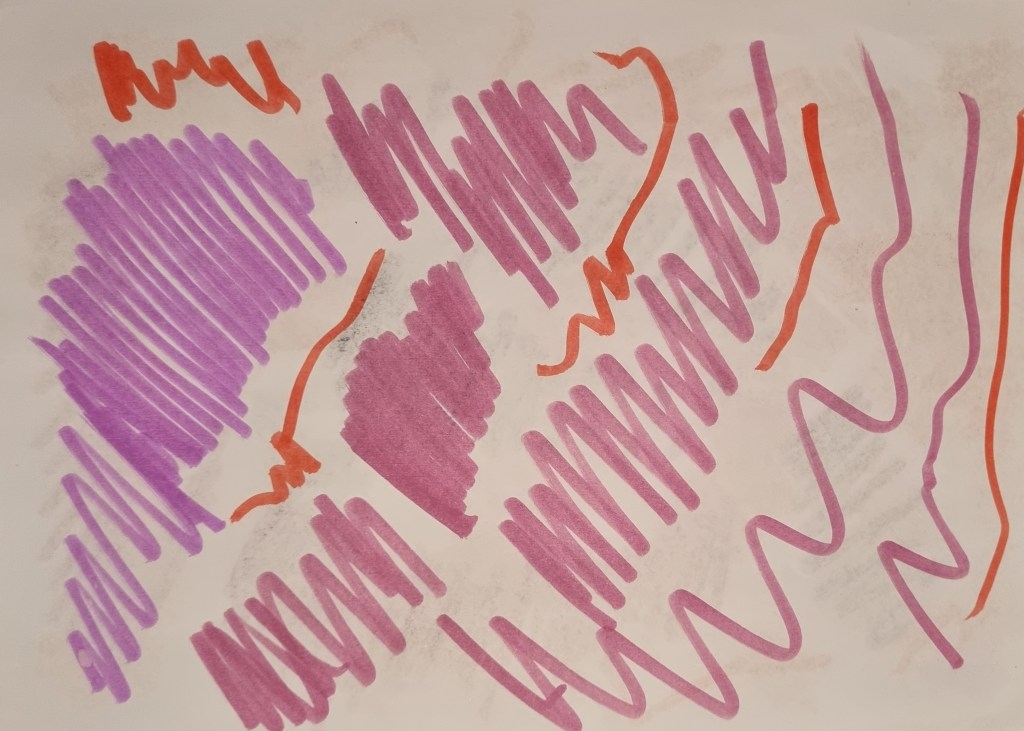
“M” did not feel discouraged by using acrylic paint for a change. However, I wanted to know what pattern or method “M” would choose, considering that drawing markers are thin and paint covers more surface of the paper. “M” realised that it would be tricky to paint on the reverse side because she would have to wait for the paint to dry. Therefore, “M” decided to paint only one side because of the waiting time. What is also interesting is that “M” changed the direction marks while using the paint.


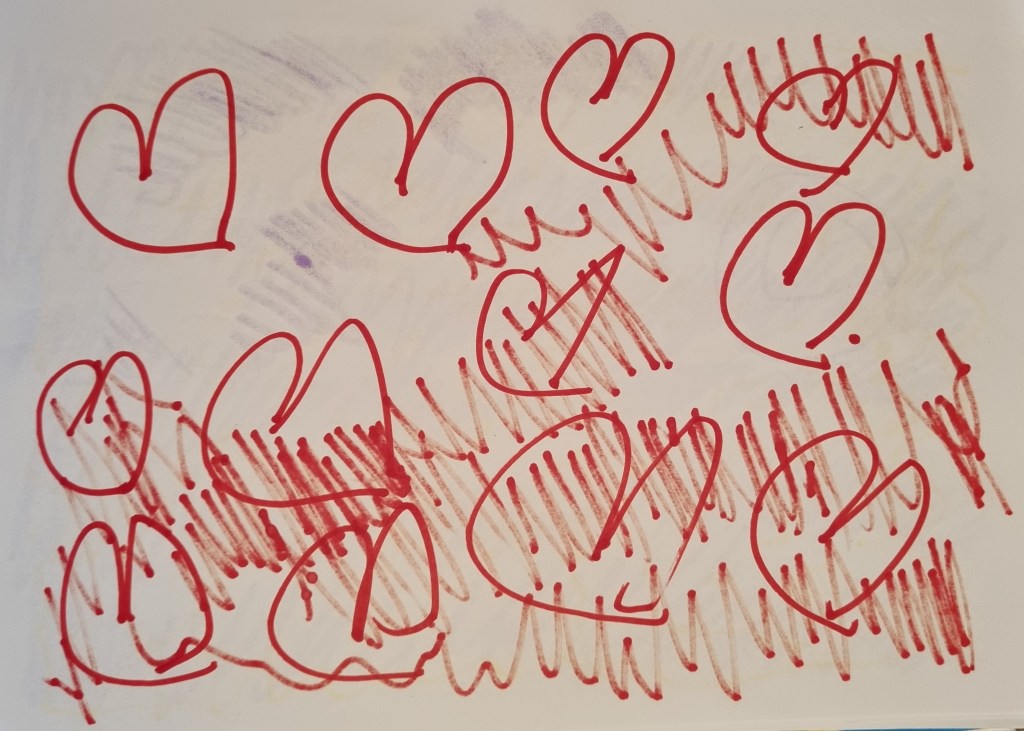
At the beginning of the Art Group and since March 2022, “M” sometimes preferred writing instead of drawing or painting. “M,” wrote words, numbers, sometimes signatures or short sentences. It depended on what we were talking about in the group. However, “M” came to the session with different moods from time to time. Sometimes with a crying spirit when “M” wrote, “I am stupid”. Then some service users encouraged “M” to write “I am clever” and “I am beautiful”. I believe the moods also influenced the colours because it was “M’s” choice to pick colours to work with. “M” came to the session in good spirits, and then there was sometimes a burst into uncontrollable laughter.
“S’” Sessions
“S” has been a service user for about ten years. Unfortunately, “S” has slight learning difficulties and suffers from schizophrenia. I asked several times if “S” would like to join our art sessions, but “S” did not want to come as he stated he had no interest in art. Finally, “S” attended one of the sessions and, since then, has often been attending but not regularly. “S” expressed enthusiasm about drawings when he tried and was successful. The support and encouragement during the sessions seem to help “S” to consider discovering more potential and perhaps aspiration to carry on with the activity. However, the art group’s purpose is not to make a new carrier for people but to help them express themselves and focus on something different than their worries about their illnesses.
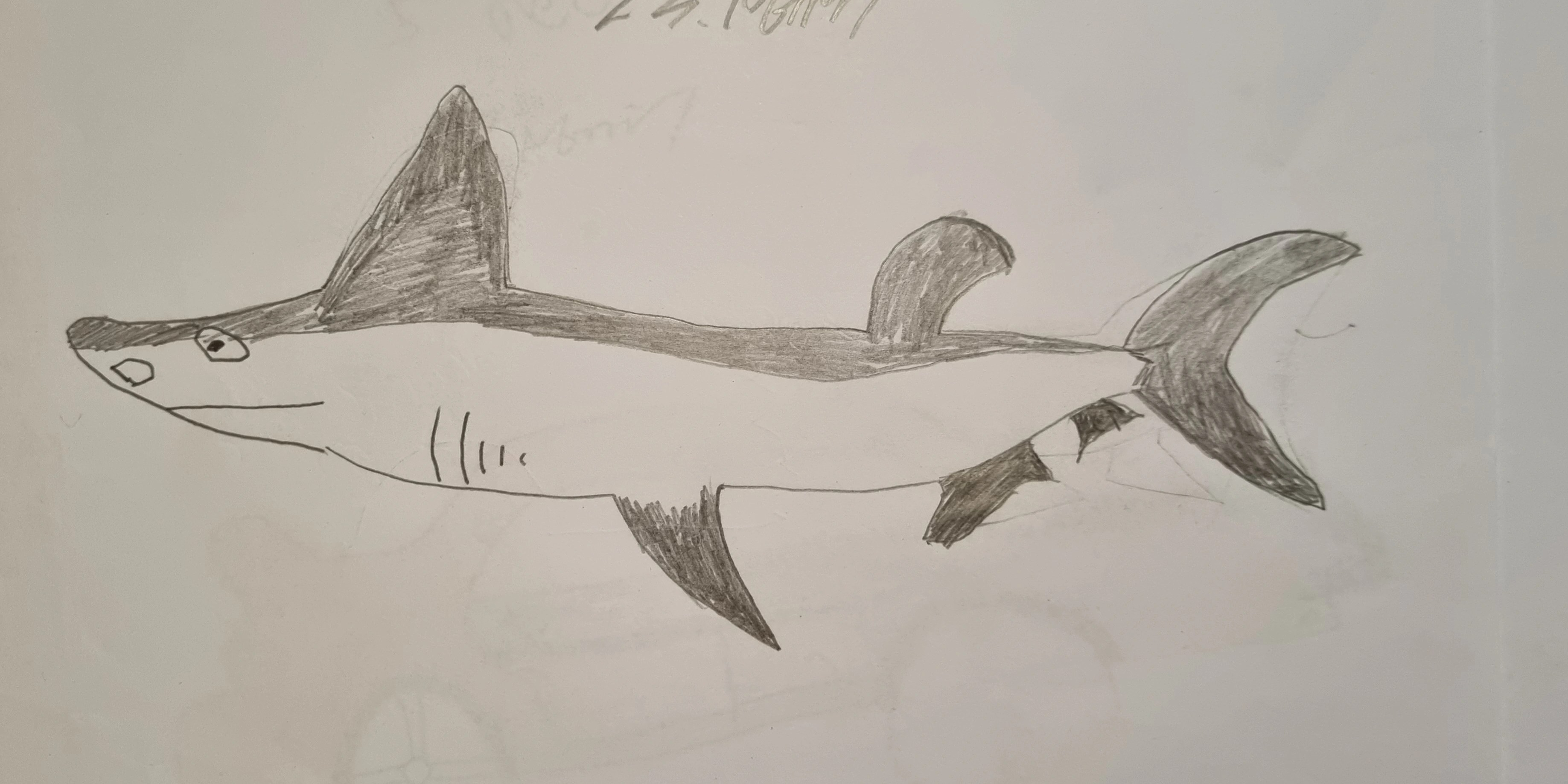
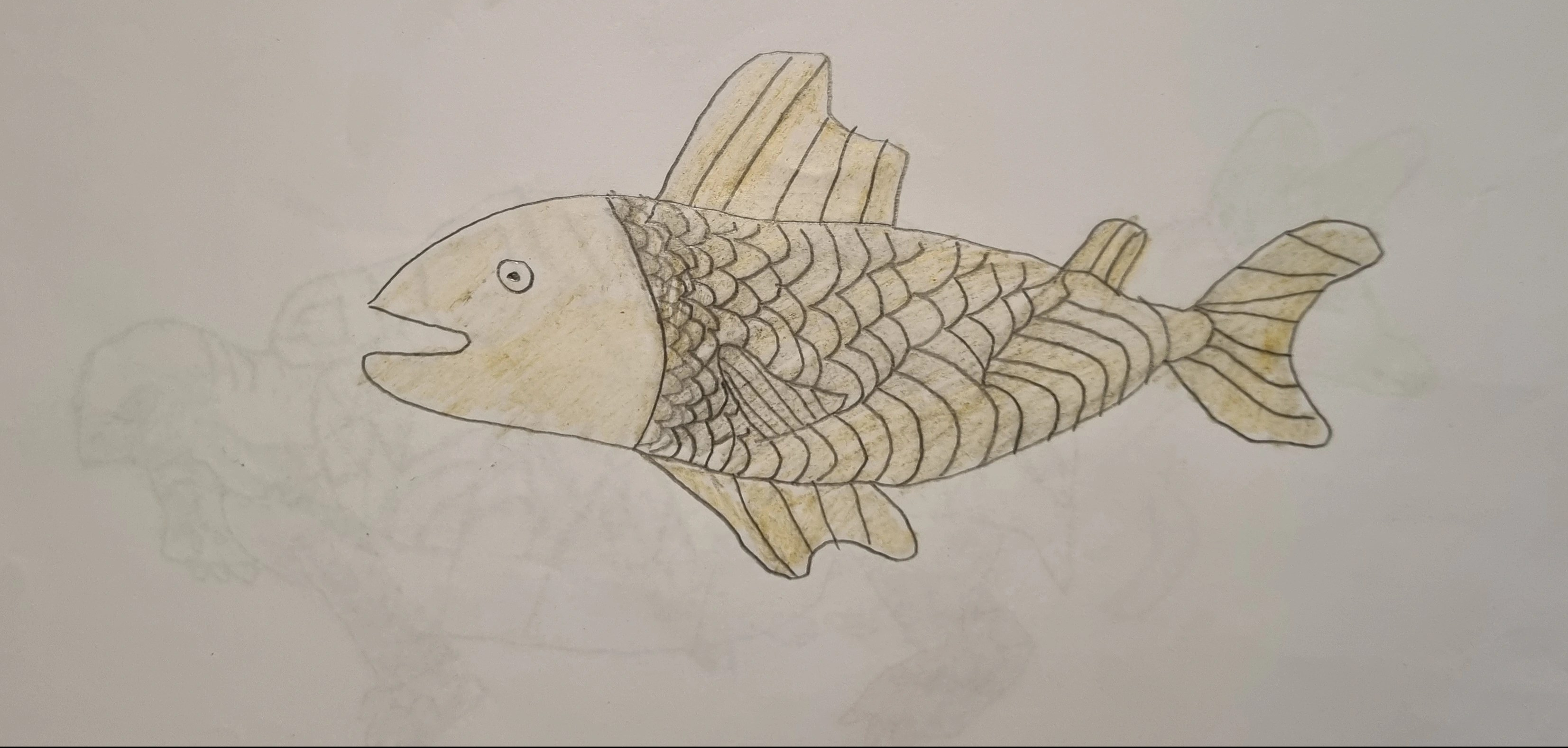

“S” seemed to enjoy the activity. However, it sometimes appears like “S” would get discouraged by not an unsuccessful attempt. “S” likes someone to help him with the proportions as he struggles to understand the methodology and different skills, such as shading. “S” likes to draw straight lines, and I tend to sketch when he asks me for help. It is good to introduce different methods and styles of drawing as we are still in the process of finding out what medium is suitable individually for every person.
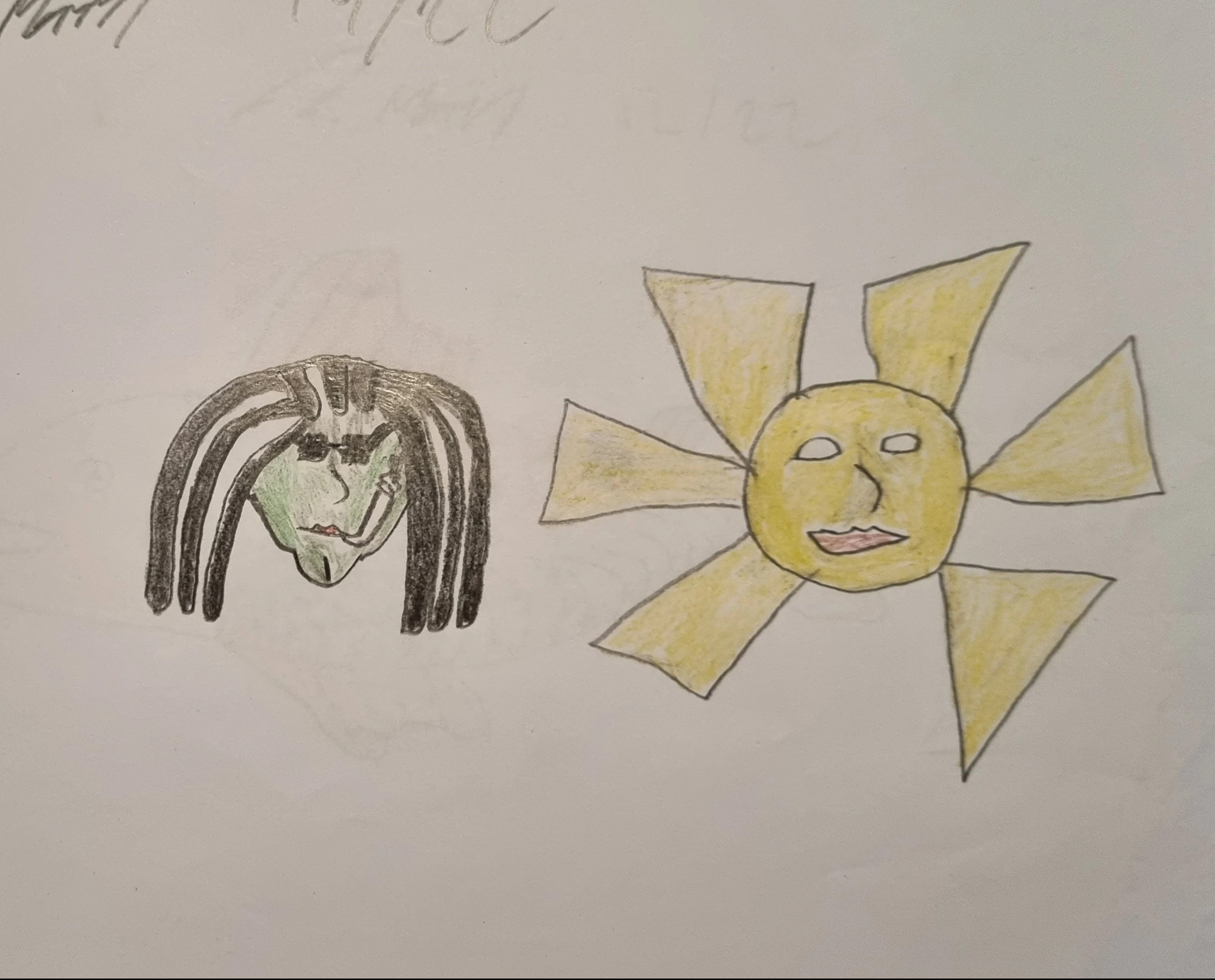
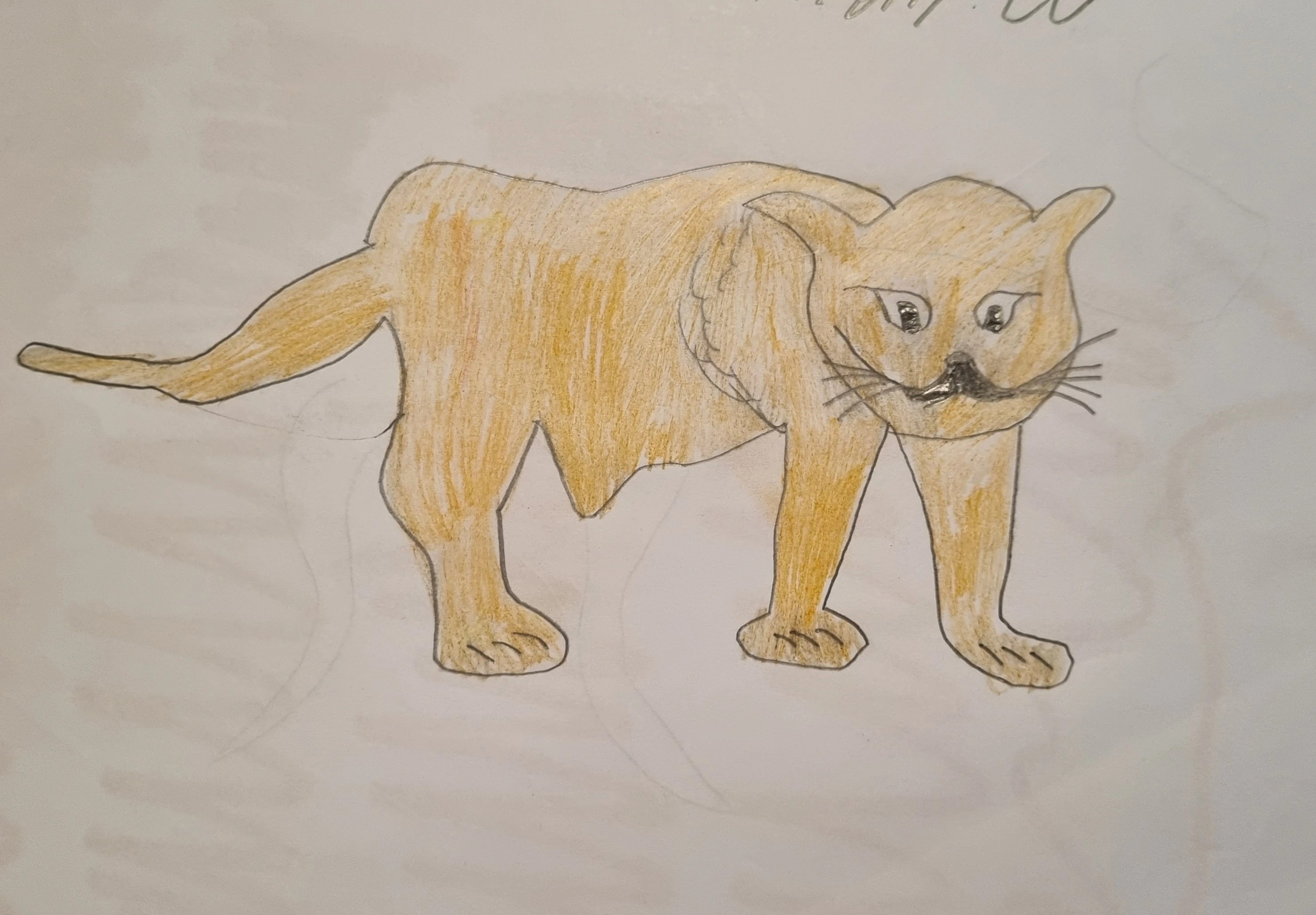
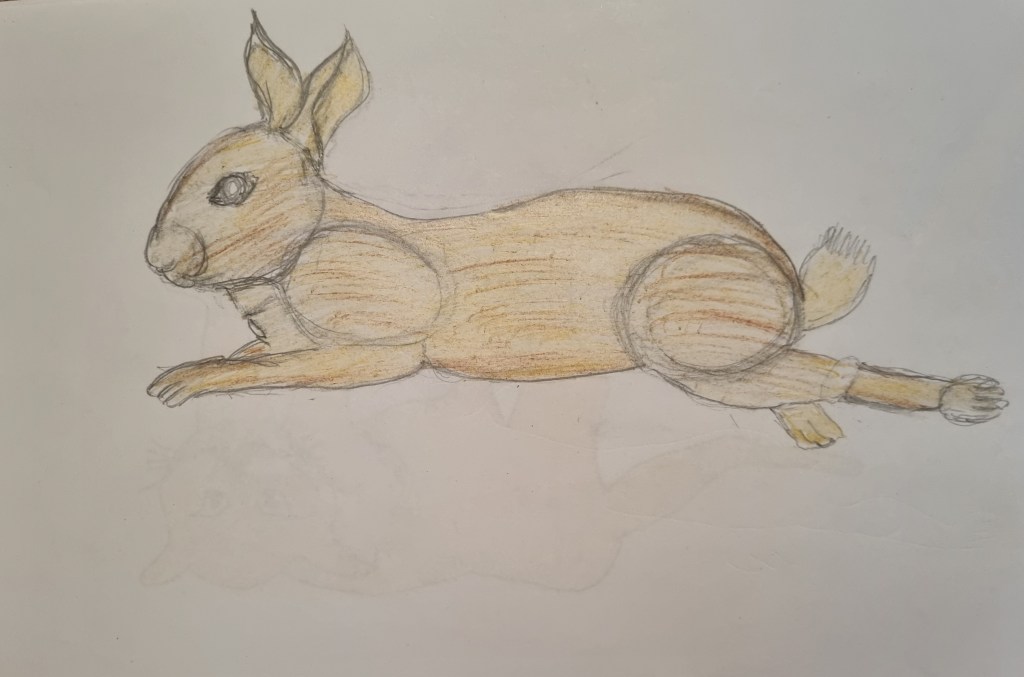
I also encouraged “S” and everyone to draw from their imagination which I believe could help to communicate and express deeper feelings.
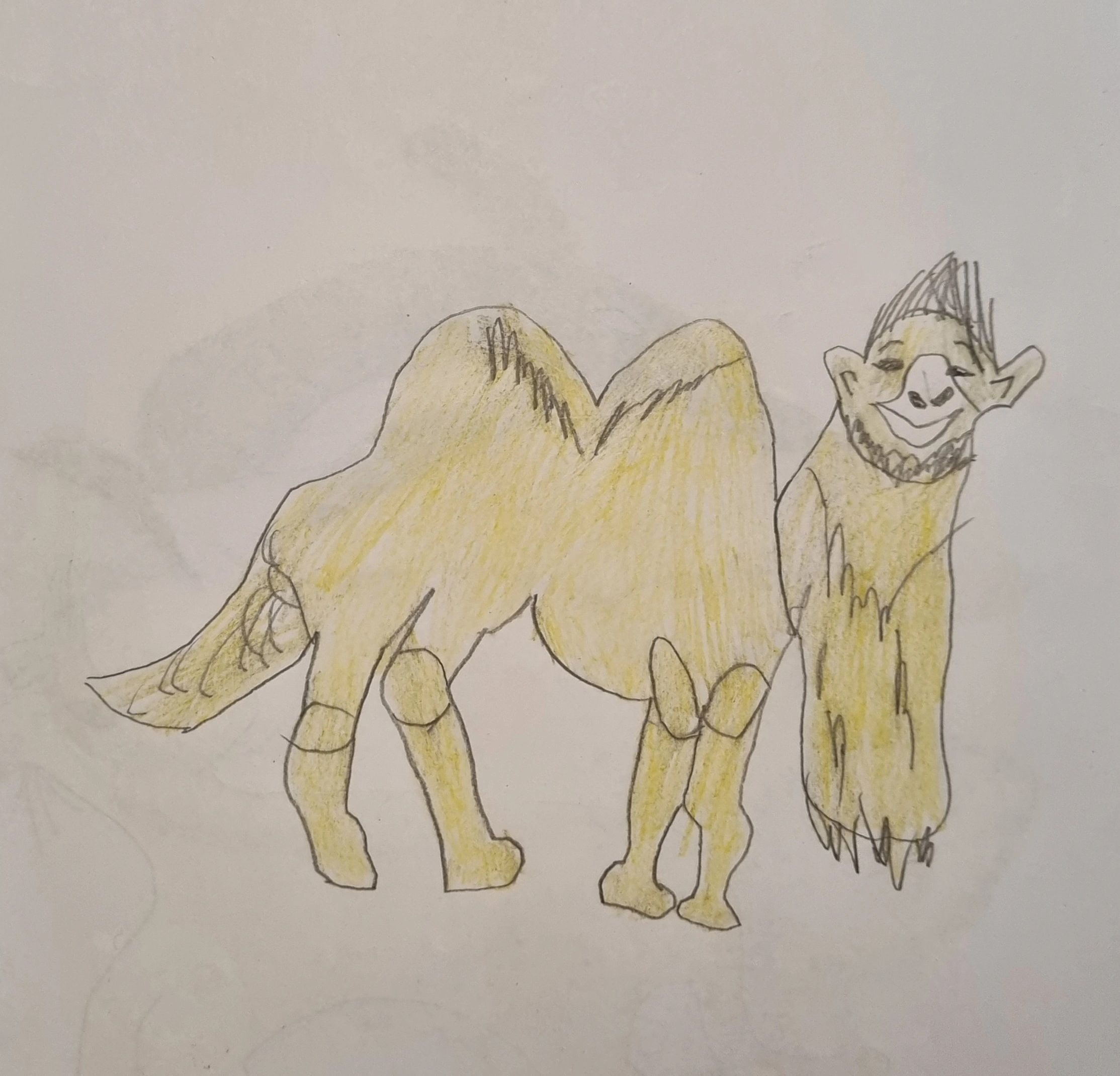
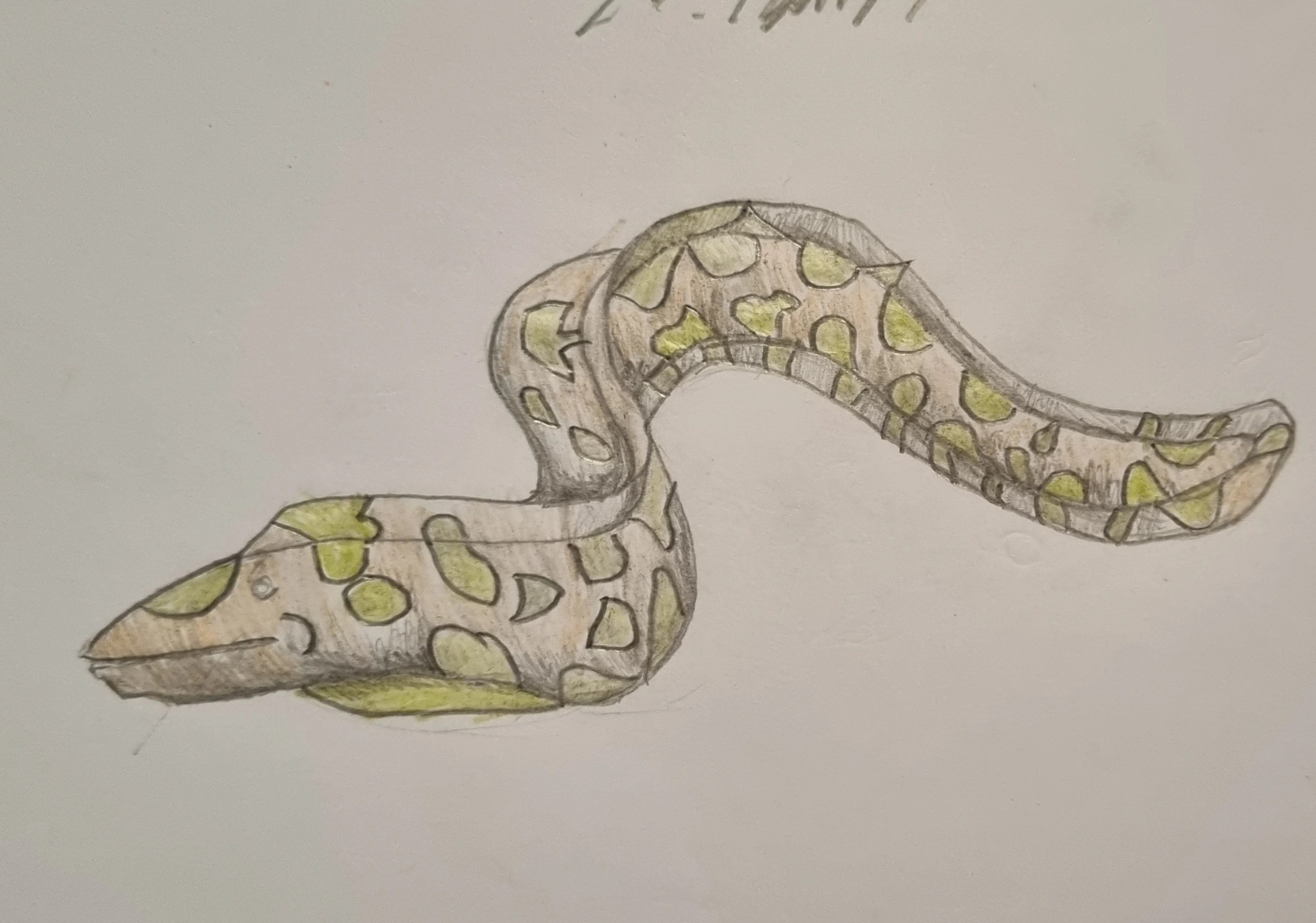
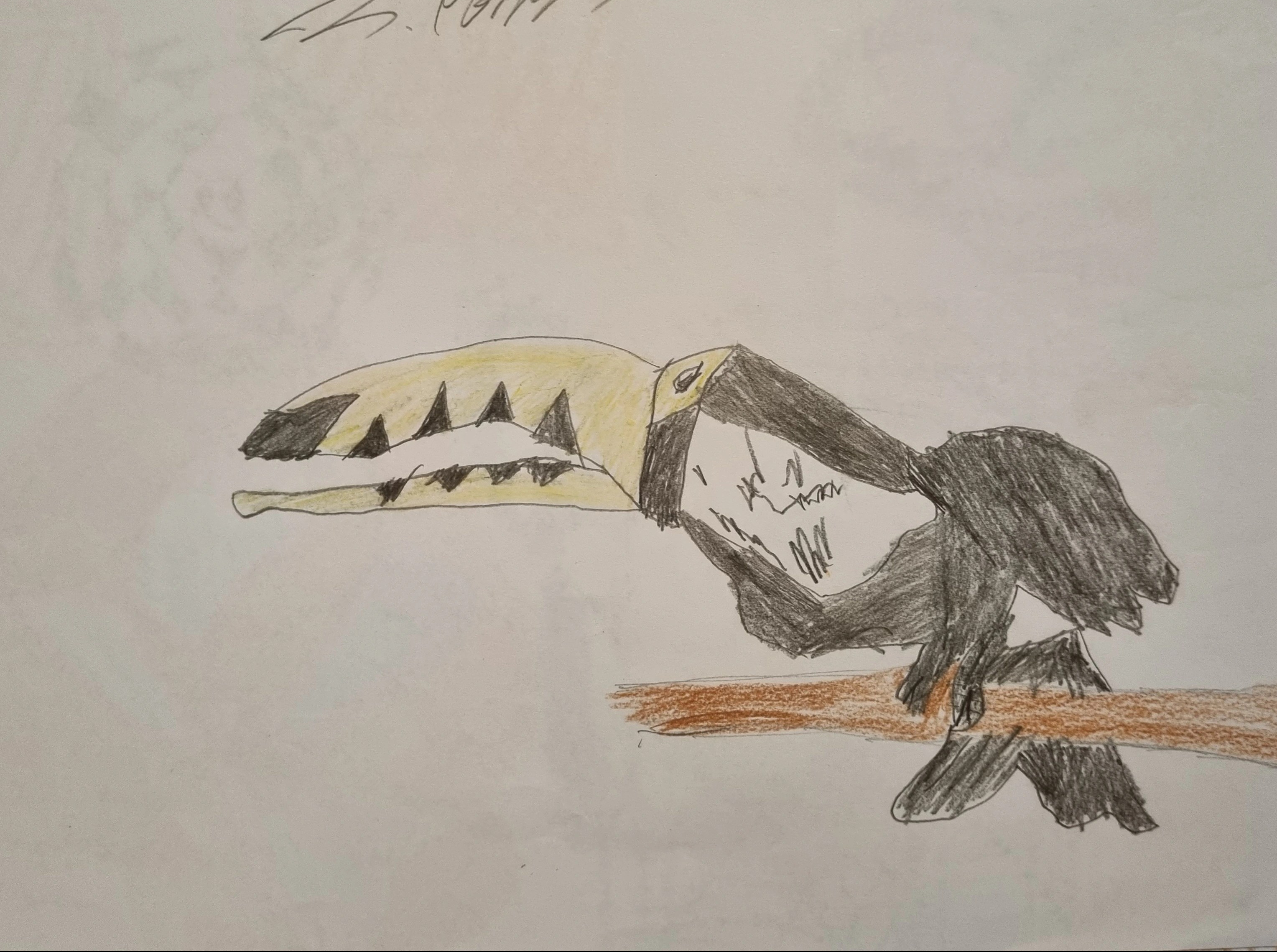
I also encouraged “S” and everyone to draw from their imagination which I believe could help to communicate and express deeper feelings. Interestingly, “S” is using his imagination toward a positive outcome.


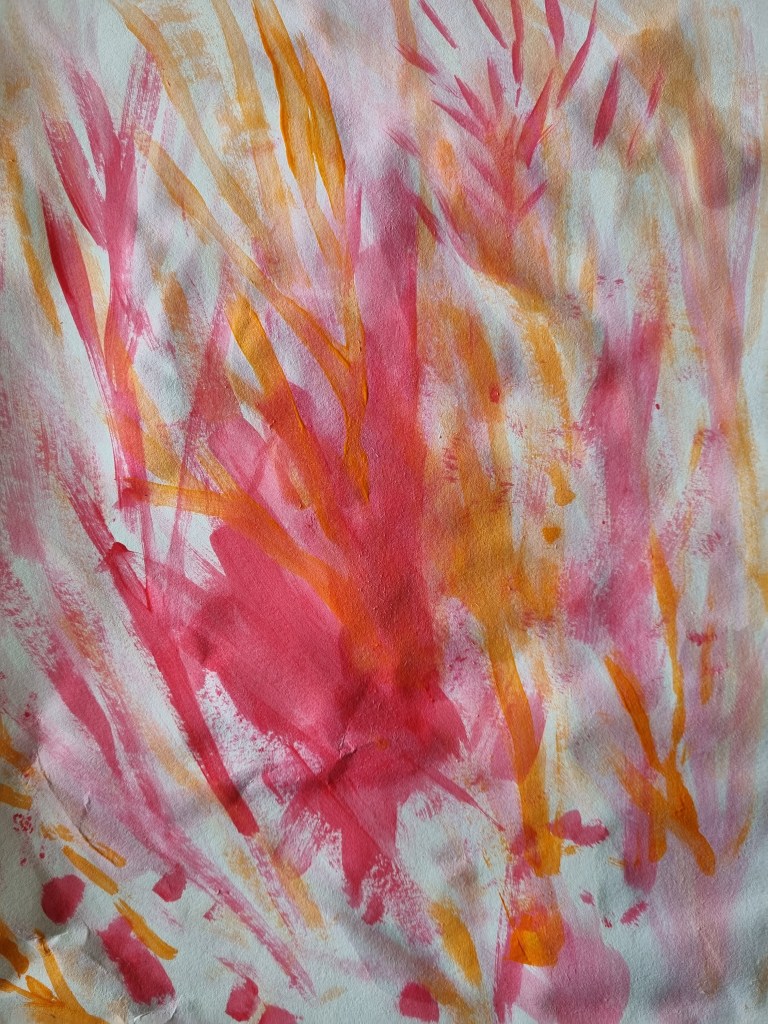
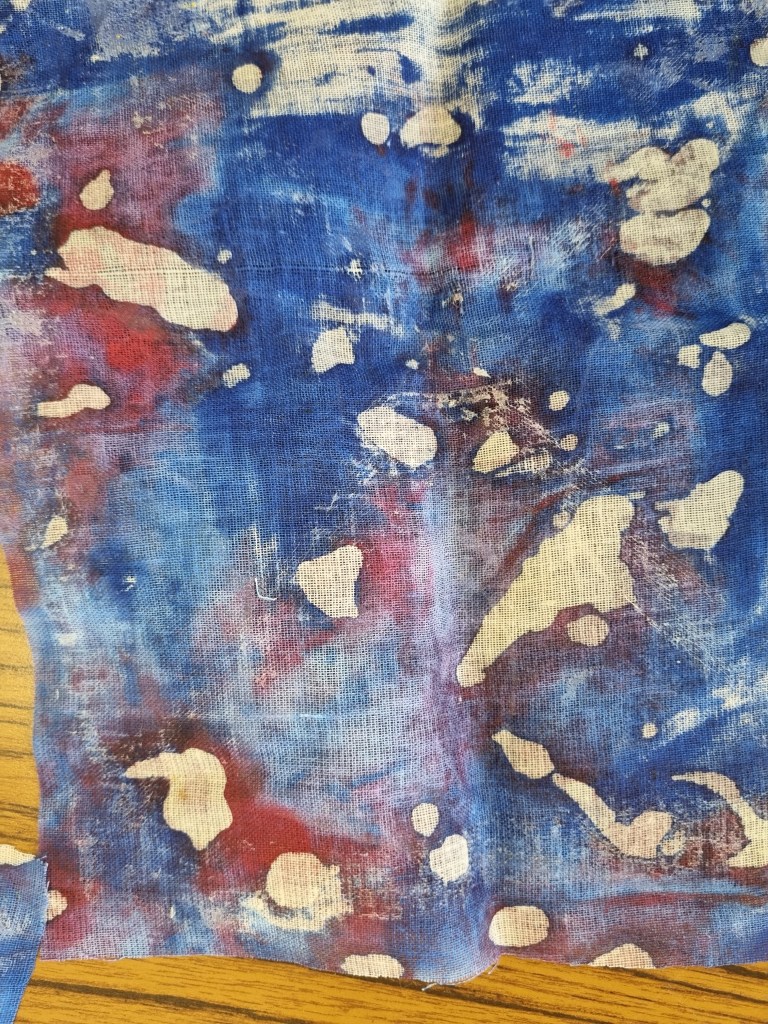
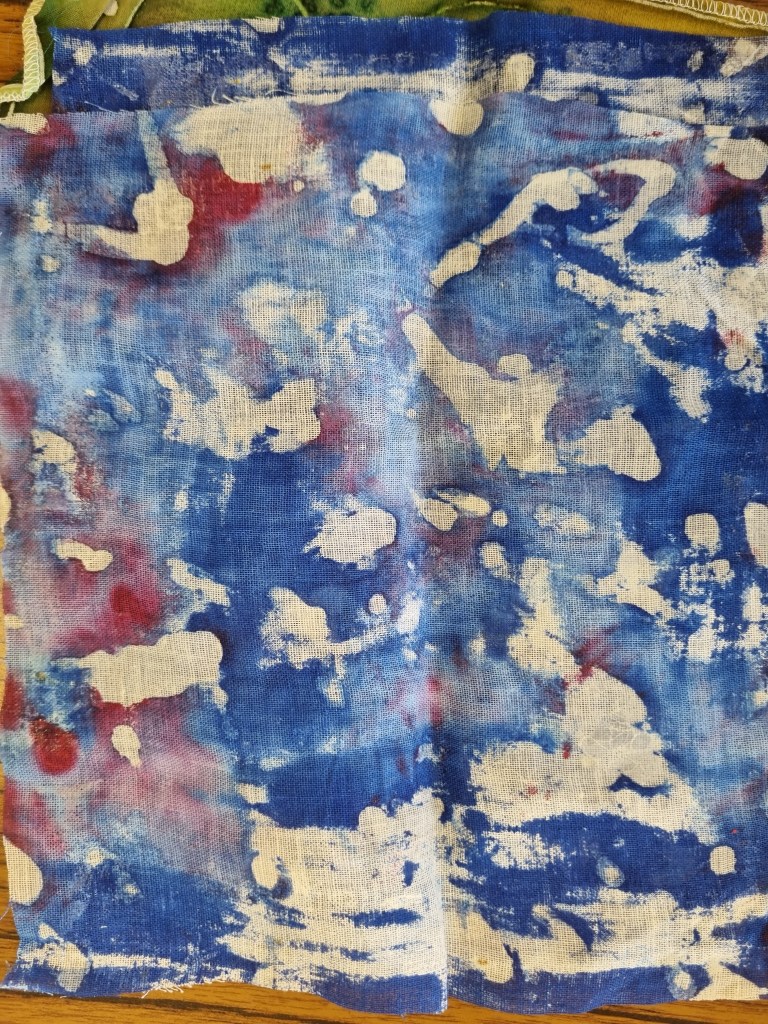
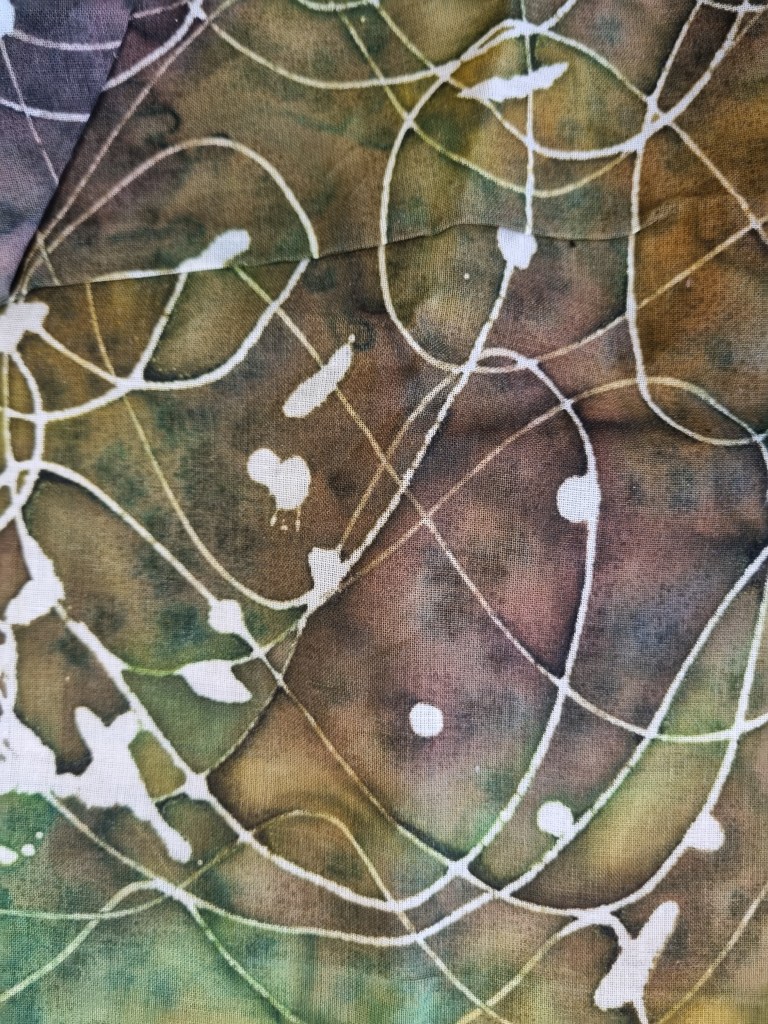
“N’s” Sessions
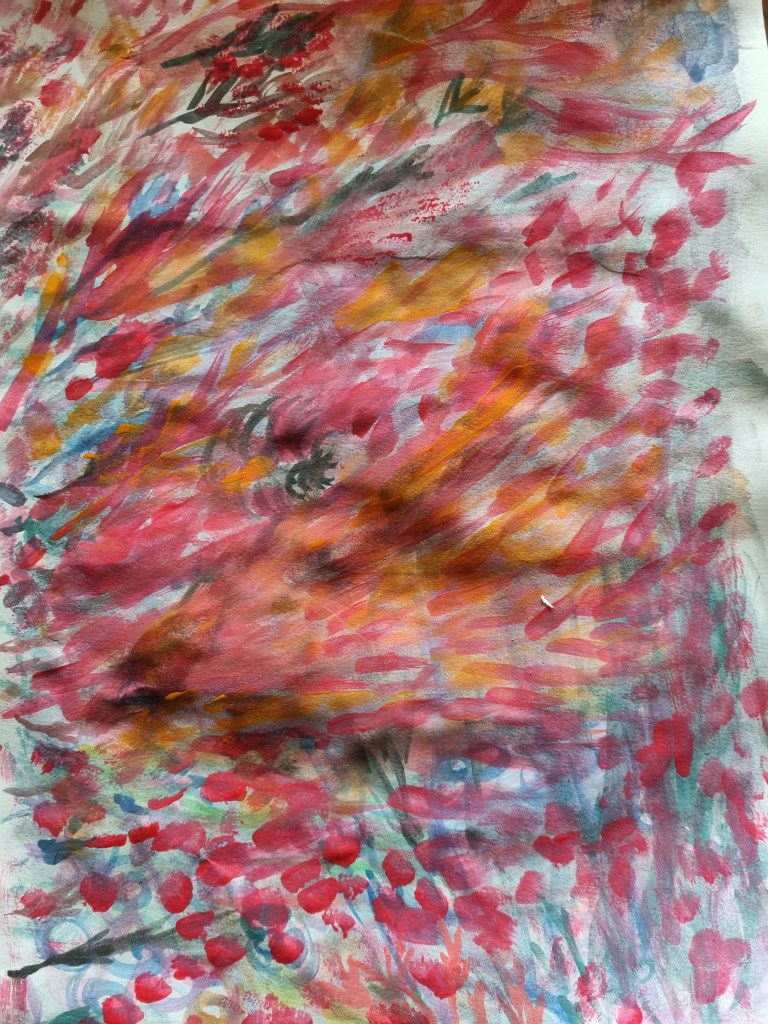
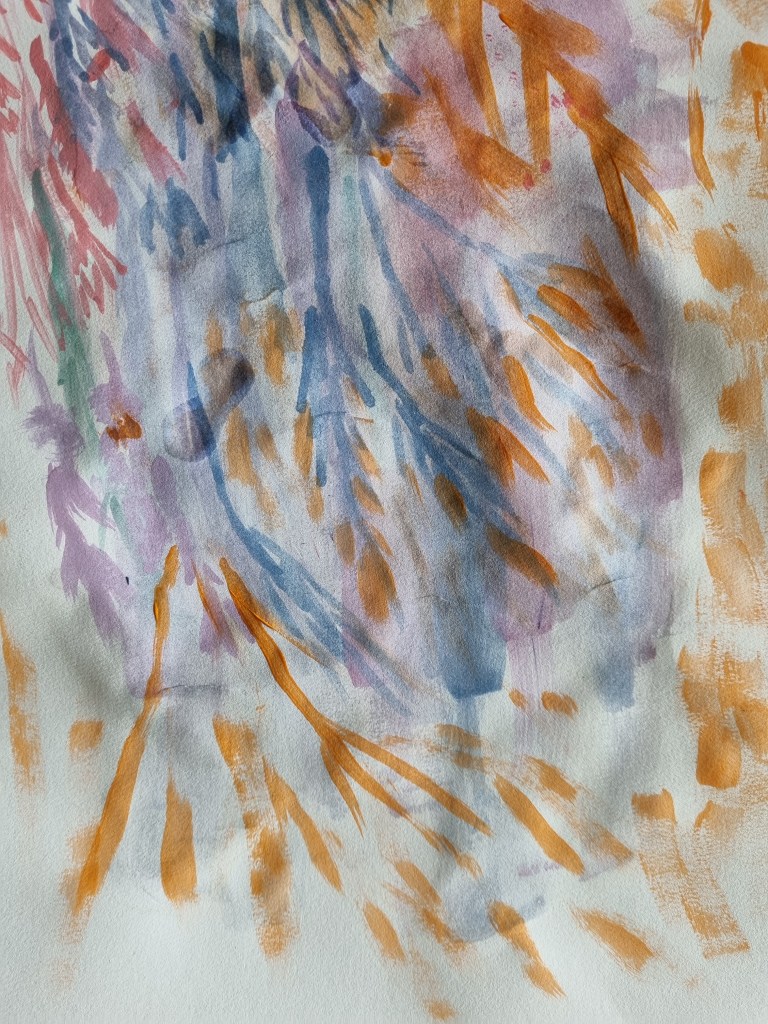
 Milena (Filipova) Smith BA (Hons) Fine Art 2022/2023
Leave a comment